Cultural Context
Among the Mandé peoples of West Africa — the founders of the Mali Empire — power was never understood as a purely political matter. It was cosmological. At the center of this worldview sits Nyama, a concept often translated loosely as "energy" or "force," but which the Mandé understood as something closer to the animating power running through all living things and every act of transformation. When iron is pulled from earth, when an animal is killed, when a child is born, Nyama is released, and someone must know how to handle it.
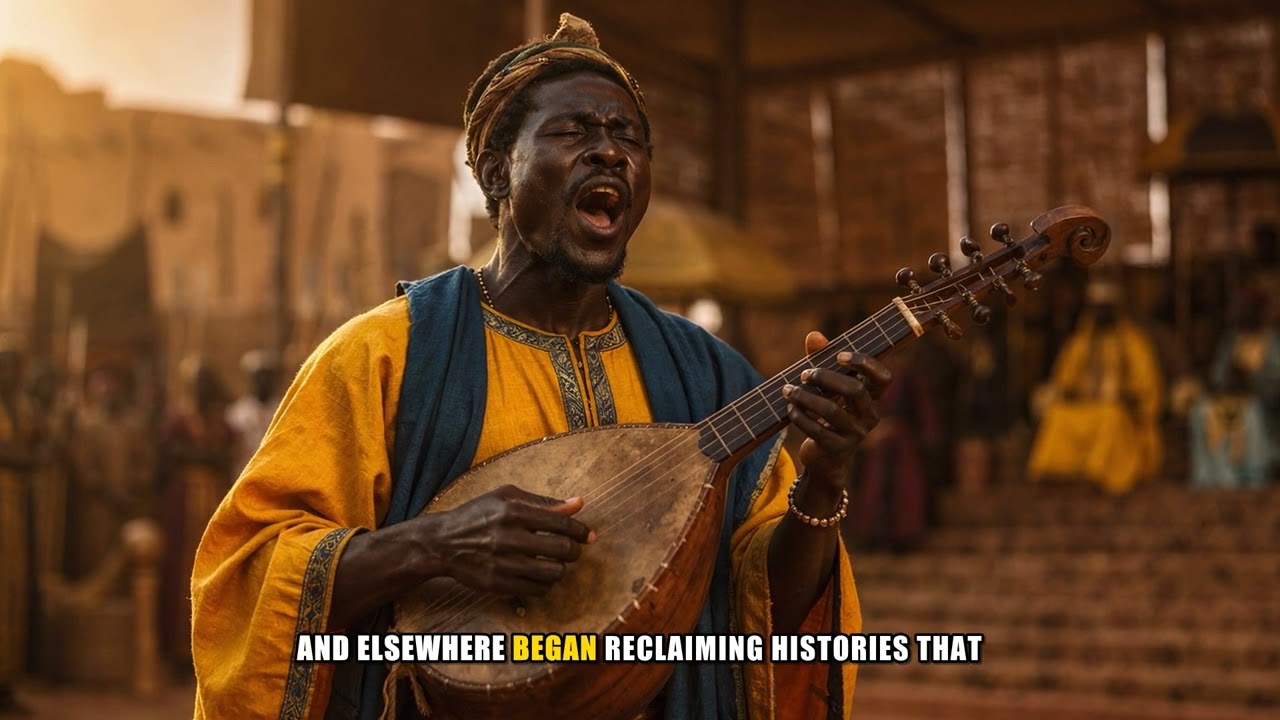
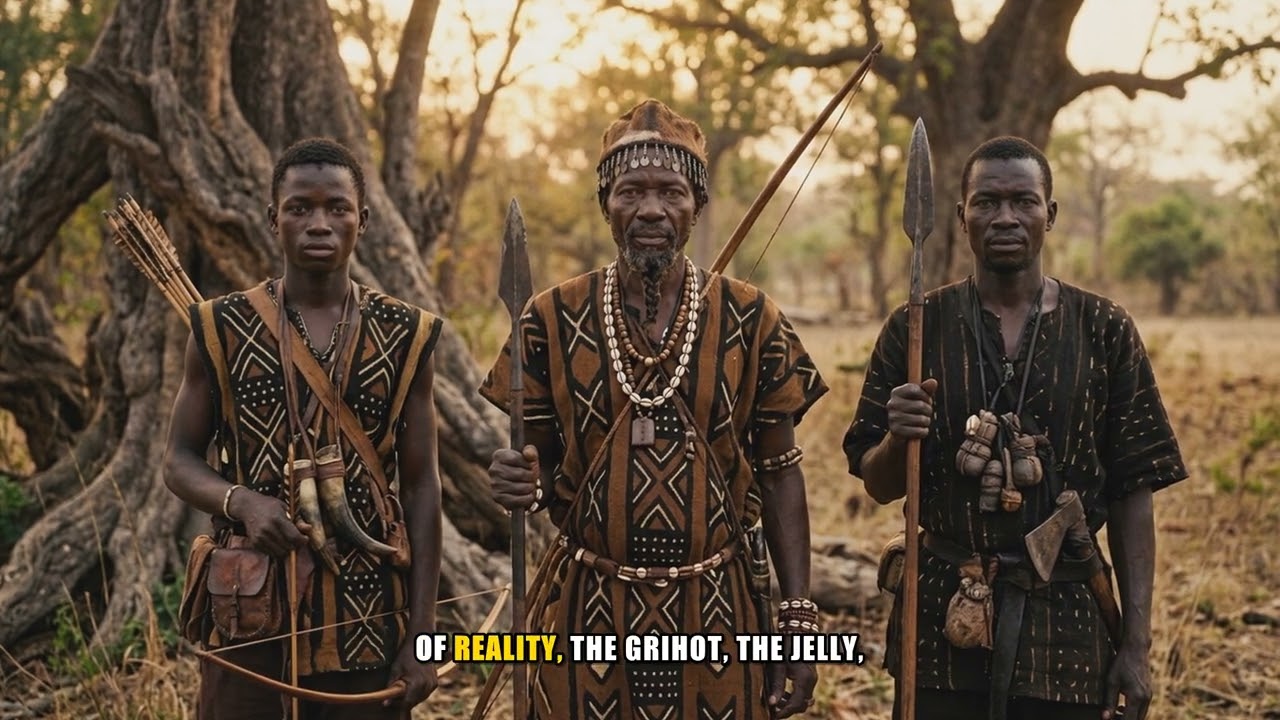
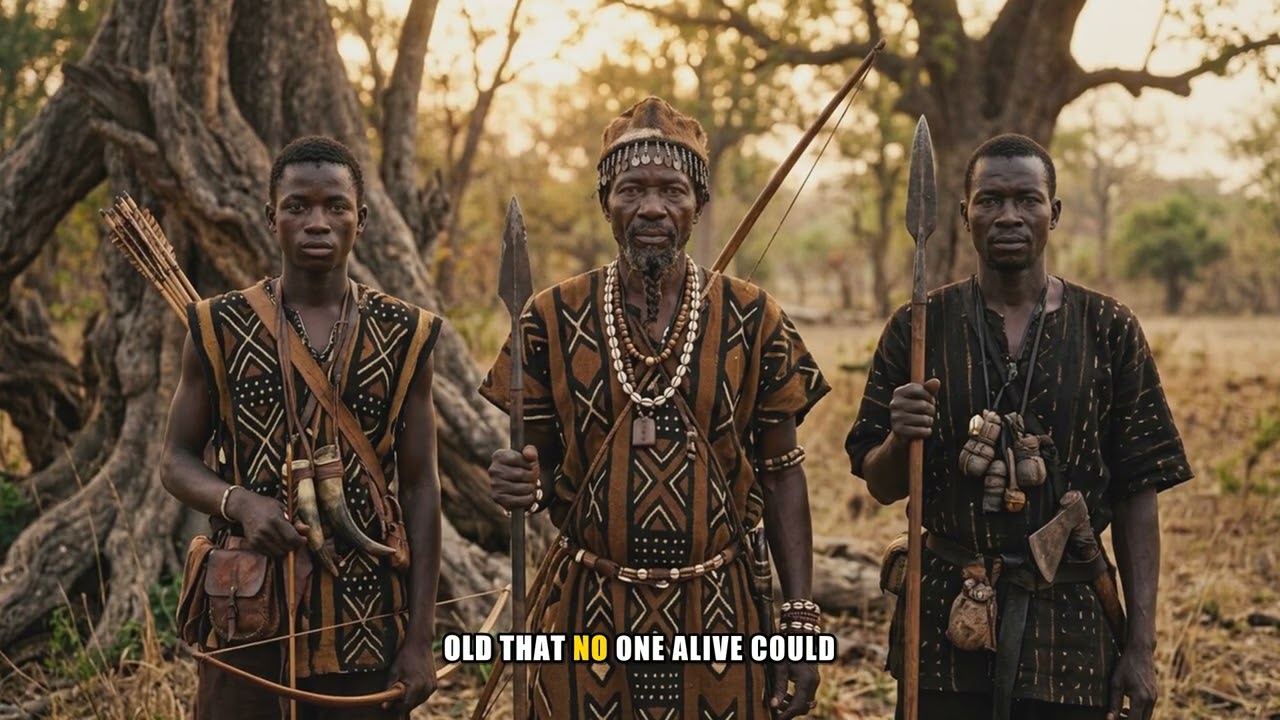
This is why Mandé society organized certain kinds of knowledge into specialized, often hereditary roles rather than treating them as ordinary professions. Blacksmiths (numuw) did not simply forge tools; they mediated between the human world and the volatile forces beneath it, which is why their caste was simultaneously feared and deeply respected. Hunters (donso) moved along the boundary between village and wilderness, carrying power objects — amulets, charms, ritual knowledge — that protected against dangers no weapon could touch. Diviners consulted forces older than the empire itself, and even ruling mansas sought their counsel before major decisions. And griots (jeliw) held the spoken record of lineage, history, and law, functioning as living archives whose memorized genealogies were, in the transcript's own words, political documents that no fire could destroy.
These were not separate from governance — they were its infrastructure.
Historical Background
The Mali Empire that Mansa Musa would later rule did not spring from nowhere. It was built on a political and spiritual order established generations earlier, around 1235, when Sundiata Keita defeated the Sosso ruler Sumanguru Kanté at the Battle of Kirina. Sundiata's path to that victory ran directly through the specialized castes described above: hunters, blacksmiths, and farmers who owed nothing to the old power structures rallied to him precisely because he offered something new.
Once in power, Sundiata did not dismantle this cosmological system — he formalized it. Oral tradition credits him with organizing Mandé society into recognized castes (nyamakalaw) whose spiritual functions were essential to the empire's stability. This structure persisted for centuries, meaning that by the time Musa Keita was born into the Niani palace, the roles of griot, blacksmith, hunter, and diviner were already ancient institutions, not recent inventions. The gold, the trade routes, the scholarly courts debating Quranic law and administration — all of it operated inside a framework that had been tested and trusted since Sundiata's founding.
The Story Behind It
In the fable, the griot's opening act — speaking Sundiata's name aloud rather than reading it from any page — is not a stylistic flourish. It is the Mandé theory of history in action: history as breath, as performance, as something a living person carries inside himself. Sundiata's own story, as griots have preserved it for roughly eight centuries, is steeped in this cosmology from birth. The diviners foretell his destiny before he can even walk. His mother Sogolon is said to carry the fate of an empire in her body. When Sundiata finally rises — gripping, in the most famous version, a rod of iron that bends under his grip — the imagery deliberately echoes the blacksmith's domain: iron as a substance charged with Nyama, transformed by force of will.
During his exile, it is not soldiers in the conventional sense who gather around him first, but hunters and blacksmiths — men whose social role already placed them outside ordinary hierarchies of inherited power, and who understood forces the old regime had ignored. Their loyalty helped him rebuild "the world on his terms," a world literally structured by Nyama and the sacred functions of those who could manage it. By the time young Musa Keita is listening to griots recite his ancestors' battles in the Niani palace, he is absorbing not just family history but the living proof that this cosmological order — griot, blacksmith, hunter, diviner — was the true skeleton holding Mali together.