Cultural Context
To understand the Mali Empire under Mansa Musa, you have to hold two truths at once. Timbuktu's mosques were full five times a day. Scholars argued fine points of law in shaded courtyards. And underneath all of it ran an older Mandé framework built around nyama, the animating force the Mandé understood to flow through people, animals, rivers, iron, and trees alike.
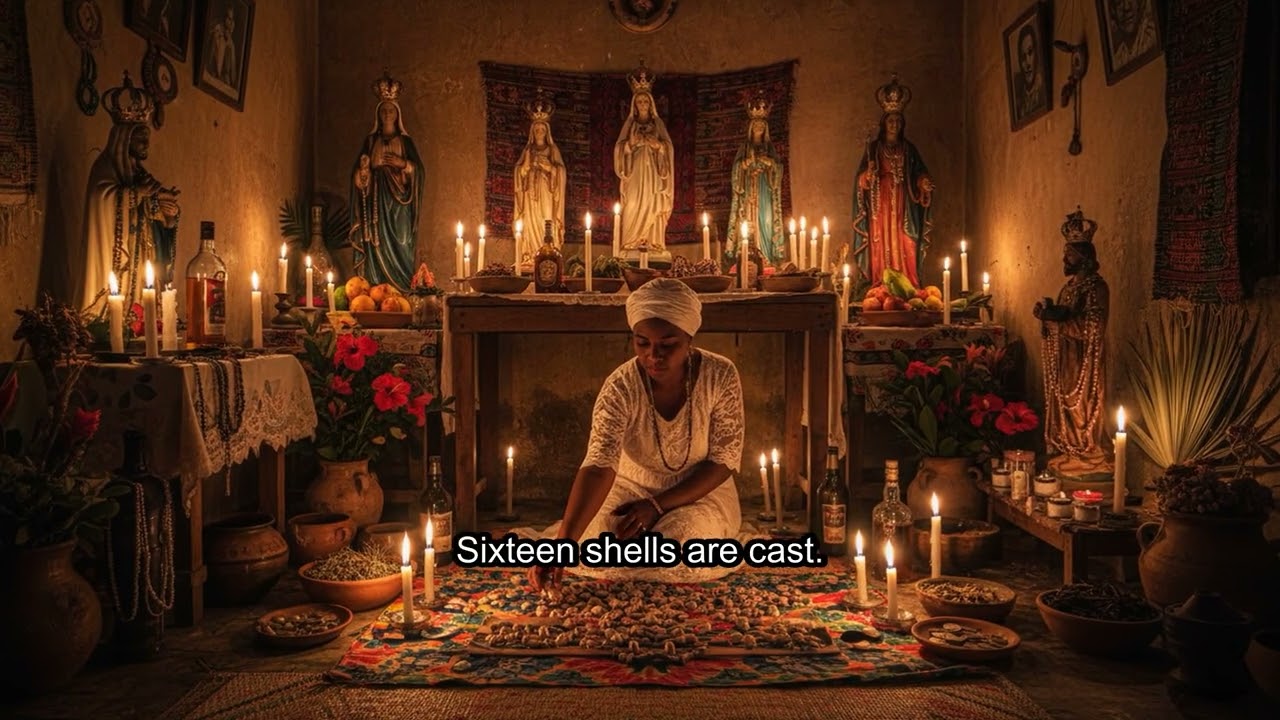
Nyama was not a belief system competing with Islam for space in someone's head. It was a way of explaining how power and consequence moved through the world — why a blacksmith who worked iron carried a different charge than a farmer, why a hunter who crossed into wild, unclaimed land needed protection other men didn't, why a diviner could read what was hidden from everyone else.
This is why a soldier could pray at Friday mosque and leave an offering at a river spirit's tree that same afternoon, and feel no contradiction at all. Islam addressed one register of reality. Nyama addressed another. Both were true at once, and the Mandé peoples did not need to choose between them.
Historical Background
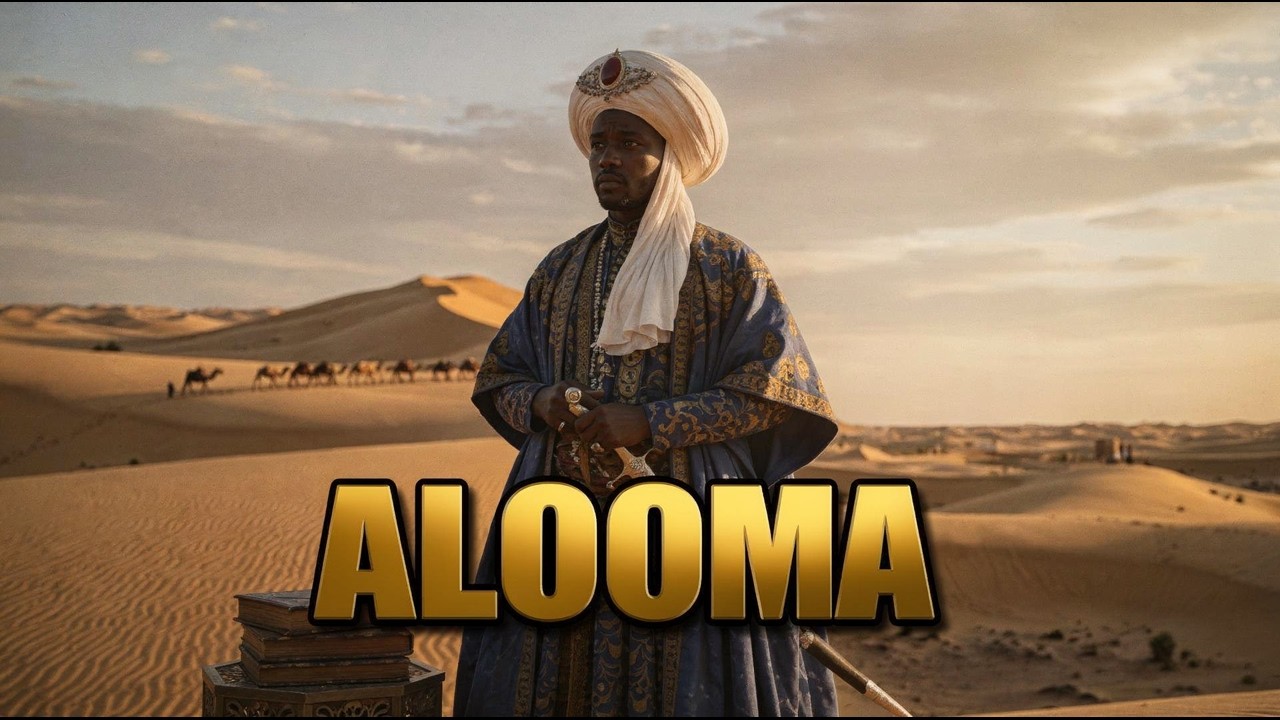
Mansa Musa's famous 1324 pilgrimage to Mecca made him legible to the wider Islamic and Mediterranean world — a devout ruler, a builder of mosques, a patron of scholars. That devotion was real. But it sat on top of an architecture of sacred kingship that predated Islam's arrival at the Niger Bend by centuries.
The mansa's body was itself considered too potent for ordinary contact. He ate behind a screen. Words passed to him and from him through a herald rather than direct address. Those who approached sprinkled dust on their heads and avoided his eyes. None of this was about vanity or protocol for its own sake — it reflected a belief that the king's person carried a concentration of power that had to be managed carefully, the same logic that governed how people related to blacksmiths, diviners, and spirit-charged places.
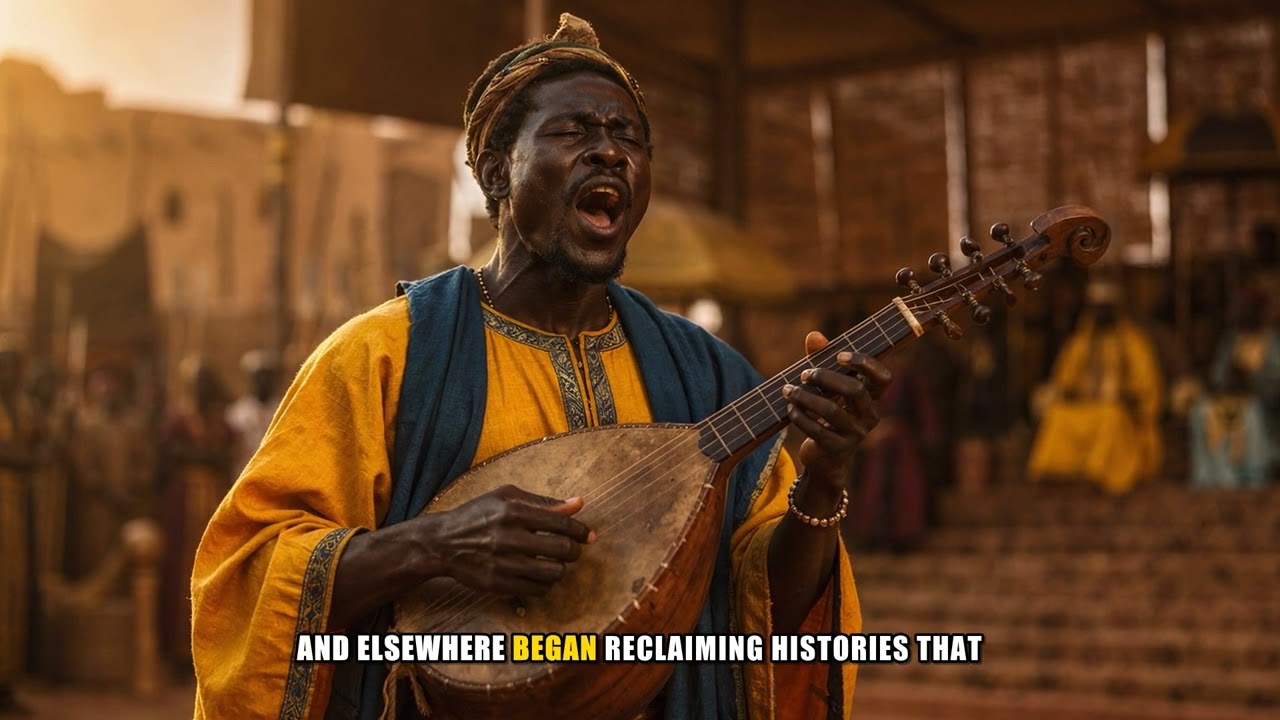
At the center of court life stood the djeli, the griot — not an entertainer, but the living archive of the empire. A djeli held every noble genealogy, every battle, every alliance, memorized and carried forward across generations. Their praise conferred legitimacy; a king without a griot's endorsement was not fully recognized as king. And because their knowledge and their words carried real consequence, a djeli was one of the only people who could criticize a ruler openly, wrapped inside praise, without fear of punishment. In many Mandé societies, harming a griot was considered deeply taboo, feared for the spiritual consequences it would bring.
The Story Behind It
When the traveler Ibn Battuta visited Musa's court, he recorded something that puzzled him: performers he described as "poetry reciters in bird costumes" appearing before the mansa. He had witnessed a masquerade — one of the oldest and most significant ceremonial traditions across West Africa — and misread it entirely.
In the Mandé understanding, a masquerade performer did not merely symbolize an ancestor or spirit. During the ceremony, the ordinary man stepped aside and the spirit was understood to be fully present in the mask. These performances weren't staged for entertainment or spectacle. They served real functions: securing agricultural fertility, marking the initiation of young men, resolving conflict, warding off unseen threats. They were, in effect, governance conducted in a register Islamic law simply didn't reach.
This is the tension — though "tension" may be the wrong word — sitting at the center of Ep. 10. Musa's devotion to Islam was not performance. But he was also a man born into a lineage of sacred kings, shaped by nyama, protected by griots, and governed in part through masquerade and spirit propitiation. What he believed in his most private, unwitnessed moments, we simply don't know. The historical sources don't go there. What we can say is that he held both systems as fully real, fully functioning, and not in need of reconciliation.