Cultural Context
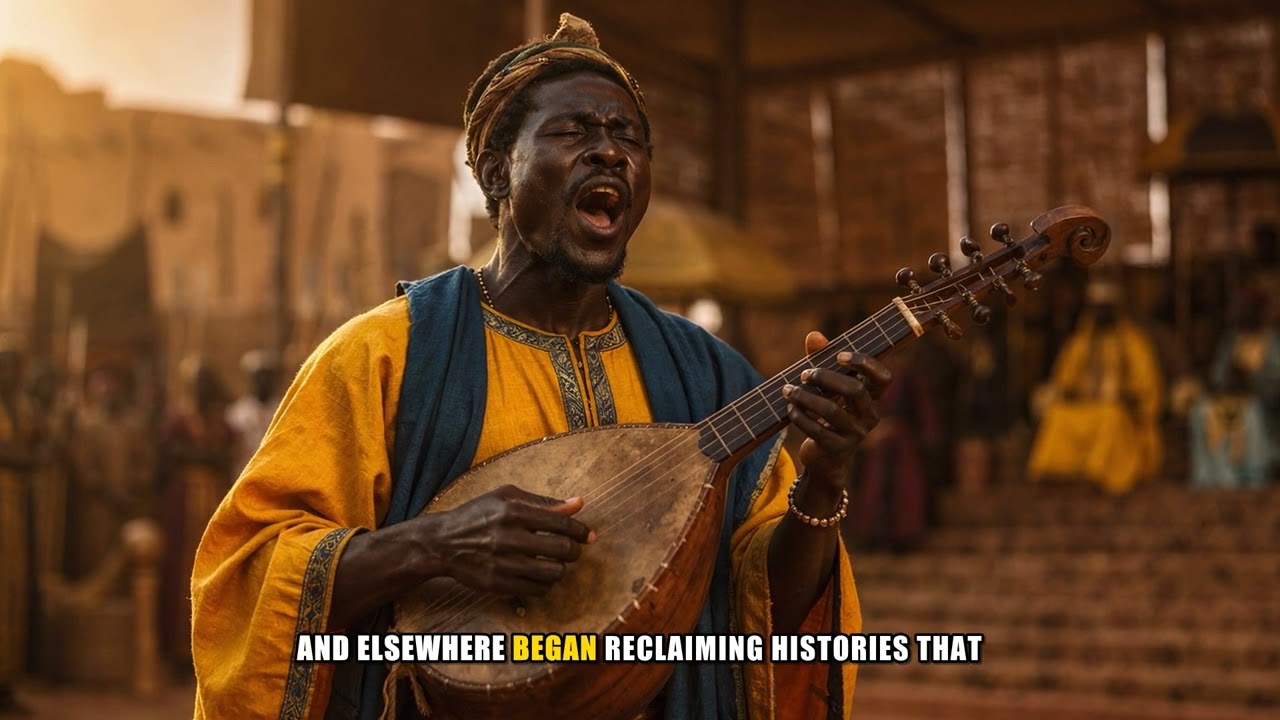
Songhai rose along the great bend of the Niger River, inheriting trade routes and administrative habits from Mali before it, but under Askia Muhammad it became something new: a state run on paperwork as much as on cavalry. In the Songhai oral tradition, rulers are remembered not just for conquest but for what they build afterward — governors appointed, measures standardized, scholars supported. This is the lens through which Askia Muhammad's reign is still told: a founder whose legend survives because the administration behind it actually worked.
Timbuktu, within this world, was never a frontier outpost. It was a Songhai city under direct imperial patronage, home to the Sankoré mosque-university and a dense community of judges, doctors, and manuscript scholars. Understanding Askia's reign means understanding that Timbuktu's intellectual life and Gao's political machinery were two halves of the same project.
Historical Background
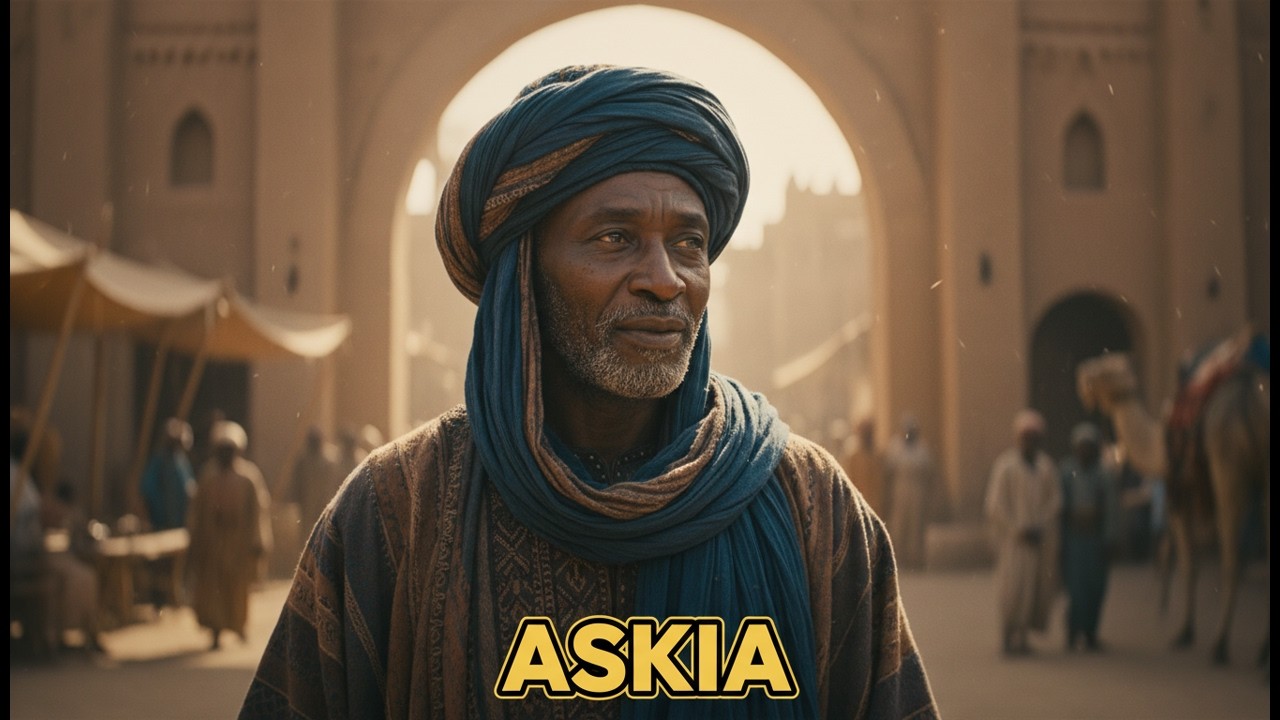
Askia Muhammad — born Muhammad Touré — did not inherit the Songhai throne; he took it. In 1493, after the death of Sunni Ali, the empire's expansionist founder, Ali's son Sunni Baru assumed power. Touré, a general under Ali, defeated Baru at the Battle of Anfao and seized control. It was, by any honest reading, a coup.
What distinguishes Askia Muhammad from countless other military usurpers across world history is longevity and design. Most coup leaders lose their grip within a decade. He held power for thirty-five years, and used that time to convert Gao from a conquest capital into the administrative center of the largest, wealthiest, and most organized state West Africa had yet produced — provincial governors reporting to the center, military districts with clear chains of command, and standardized weights and measures that let gold, salt, and grain move with predictable trust across vast distances.
The Story Behind It
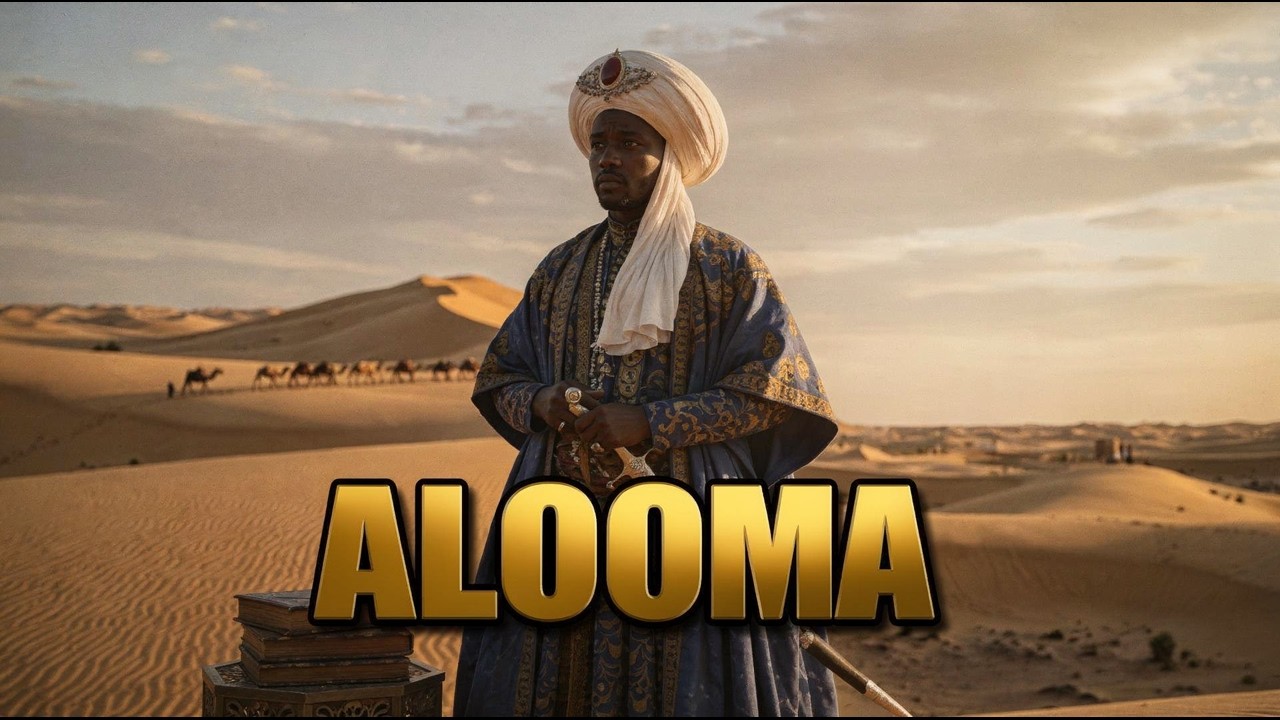
The turning point came in 1496–97, when Askia Muhammad led the Hajj at the head of a caravan chroniclers describe as including some 1,500 cavalry and hundreds of thousands of gold pieces. Whether or not those exact figures are precise, they communicate something oral tradition cared about: this was a sovereign's procession, not a pilgrim's errand. Camels, horses, gold, and political signaling crossed the Sahara together.
In Mecca, the Sharif formally recognized Askia Muhammad as Caliph of the Western Sudan — a title carrying real diplomatic weight across the Islamic world. He returned not merely devout but credentialed, his authority now backed by recognition from the Red Sea's religious center.
What followed was the real achievement: the rebuild. Provincial governors answered to Gao. Bureaucracy grew thick enough to outlast any single charismatic leader. Standardized trade measures turned Songhai from a raiding state into a market civilization — the kind of unglamorous infrastructure that let gold travel farther because the systems around it could be trusted, and let scholars stay in Timbuktu because patronage was reliable rather than seasonal.
Under this imperial protection, Timbuktu's Sankoré scholars maintained manuscripts at royal expense. The city was not a relic for later visitors to marvel at — it was a working university town, its intellectual output subsidized by the same state apparatus that moved gold and policed caravan routes from the Niger bend deep into trans-Saharan trade corridors. The traveler Leo Africanus, visiting in this era, described a city thick with doctors, judges, and learned men, where gold was so abundant the king gifted nuggets to courtiers. Leo saw the wealth; Askia Muhammad's administration had produced the conditions that made that wealth look permanent.
The ending complicates any tidy narrative. In 1528, Askia Muhammad's own son, Askia Musa, deposed him — sources describe the old emperor as blind by then. He died in 1538 in exile on an island in the Niger, and was buried at Gao, where the Askia tomb, now a UNESCO World Heritage site built of mud and timber, still stands on the city's skyline.