Cultural Context
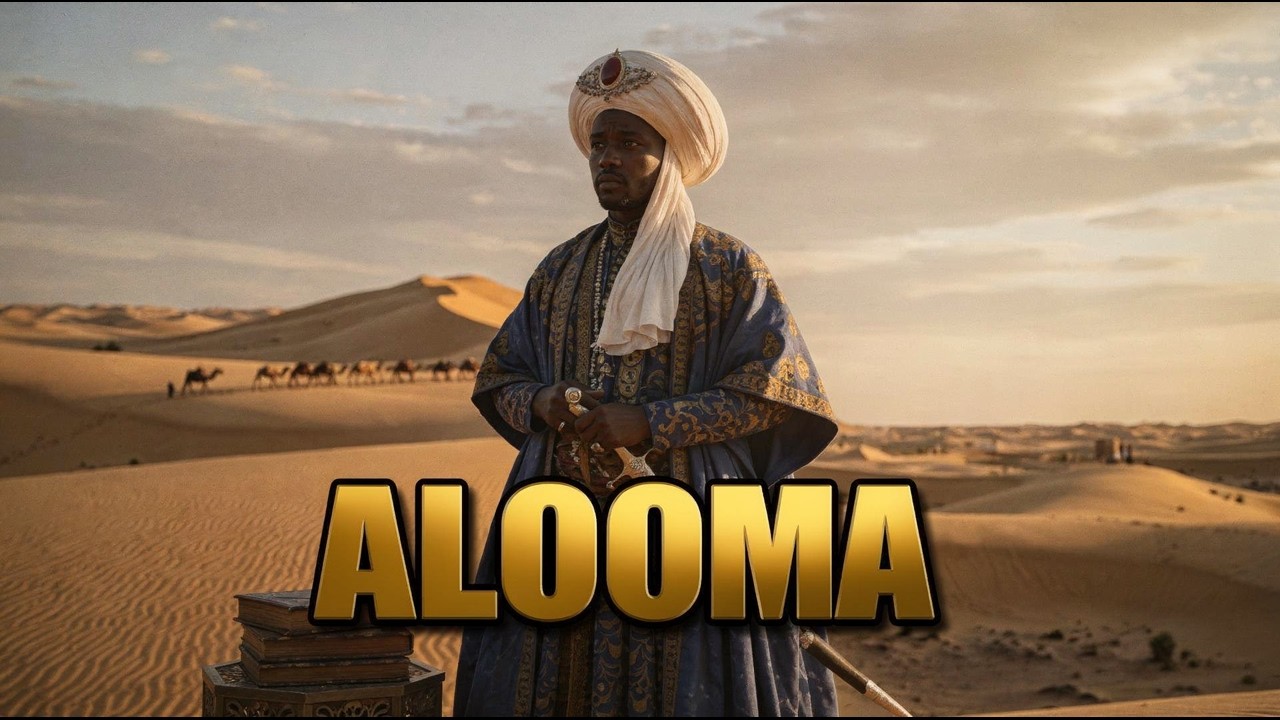
In the Hausa city-states of what is now northern Nigeria, rulership in the 16th century ran on horses, mud walls, and control of trade roads carrying salt, cloth, and metal. Zazzau, one of the major Hausa kingdoms (its capital eventually became known as Zaria), sat along routes where neighboring states watched each other warily across the dry season haze.
Within this world, Amina's memory occupies a singular place. She is not a footnote to a king's reign — she is remembered as the commander herself, a woman who took a throne built, by expectation, for men. Hausa oral tradition treats her not as a fable-figure softened by time but as a historical ruler whose reputation for military discipline and fortification-building shaped how later generations understood strength and statecraft. Saying her name still carries weight in Zaria today; this is living memory, not a dusty relic.
Historical Background
Most of what is known about Amina comes down through the Kano Chronicle, a Hausa historical record compiled well after her lifetime, drawing on generations of oral tradition about the region's rulers. This matters for how we read her story: the Chronicle is not a contemporary account written the week a battle happened. It is a later gathering-together of memory, meaning some details — her exact birth year, the precise count of her campaigns, the specific towns she brought to tribute — should be treated as tradition rather than verified record.
What historians consider solid: Amina existed and ruled Zazzau, succeeding her brother Karama after his death, at a time when a male line of succession was the expectation. The Chronicle's tradition credits her with roughly three decades of campaigning, expanding Zazzau's reach and bringing neighboring states to pay tribute in livestock, cloth, and metal.
What is probable but less certain: the specific sequence and number of her military campaigns, and the full territorial reach attributed to her, likely reflect a compression of the achievements of a formidable ruler into the kind of concentrated legend that oral tradition favors — a queen who becomes the embodiment of an era of Zazzau's power.
What remains genuinely contested: pinning the Ganuwar Amina — the extensive earthwork fortifications still associated with her name around Zaria and other sites — directly to her personal command is a matter of tradition, not archaeological certainty. The walls themselves are real and can still be traced on the land. Whether every course of earth was raised under her direct order, or whether her name became attached to a broader tradition of Hausa fortification over time, is something historians continue to weigh carefully rather than settle outright.
The Story Behind It
Tradition holds that Amina moved quickly once she took power — not a ceremonial widow-queen waiting for a male heir to mature, but a ruler who rode to war within months of ascending. The Kano Chronicle's memory of her reign is one of machinery rather than a single dramatic duel: scouts reading the land, cavalry advancing, camp after camp through wet season and dry season, river crossings and night fires, season after season.
Alongside conquest came construction. Amina is remembered specifically for fortifying what she took — raising earthworks so that victory would hold rather than evaporate once her army moved on. These fortifications, Ganuwar Amina, carry her name still, clinging to the tradition the way wet clay clings to skin.
Her story does not end quietly. Tradition holds that she died on campaign, at a place remembered as Attagara — its exact location debated among those who study the Chronicle. There was no peaceful retirement to a palace bed. The queen who measured her life in marches is remembered as having marched until the very end, empire-building having become as much a habit as a duty.