Cultural Context
The Sudano-Sahelian architectural style is one of the most recognizable building traditions in West Africa, and it is very much alive rather than a relic. Its signature feature — the toron, rows of wooden beams jutting out from mud-brick walls — is not decoration. Those timbers hold scaffolding for the annual replastering that every rainy season makes necessary. This is architecture designed around a relationship with the community: a mosque or palace in this style survives only because people return to it, year after year, to patch and rebuild its surface by hand.
In cities like Djenné and Timbuktu, that replastering has become a festival in its own right, a communal event where entire neighborhoods turn out to mix mud and work together on the walls of a mosque their ancestors built centuries ago. Understanding this tradition means understanding that Mande and other West African peoples never saw their monuments as finished objects. A building's ongoing maintenance was, and is, part of its meaning — proof that the faith and the community housed inside it are still living.
Historical Background
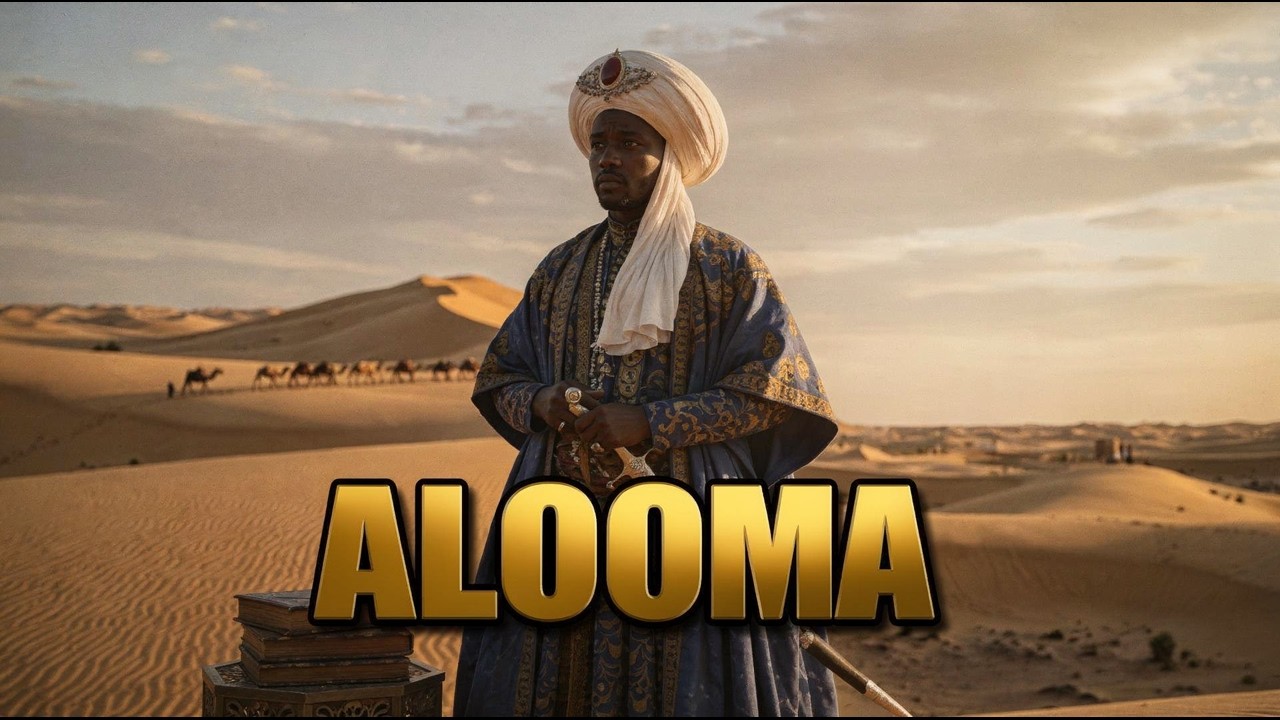
The Mali Empire in the early 1300s was already one of the wealthiest states in the medieval world, built on control of the trans-Saharan gold trade. But it was Mansa Musa's 1324 pilgrimage to Mecca — famous for the sheer volume of gold he distributed along the way — that transformed the empire's built environment. Musa didn't only travel to fulfill a religious obligation; he studied what he saw. In Cairo and Mecca he encountered mosques, madrasas, and courts shaped by centuries of Islamic architectural and legal tradition, and he returned home determined to build something comparable in his own empire.
He brought back Abu Ishaq al-Sahili, a poet and architect from Granada, in present-day Spain. Al-Sahili never returned to his homeland; he lived out the rest of his life in Mali and died there twenty years later. Together, Musa and al-Sahili raised the Djinguereber Mosque in Timbuktu in 1327, using mud brick and timber in a form that became the template for Sudano-Sahelian sacred architecture across the region. Al-Sahili also introduced fired brick — a new material in that landscape — for Musa's audience chamber at Niani, a domed hall the Arab historian al-Umari described, based on accounts from Egyptian officials, as 'a wonder to behold in the world.' Al-Sahili was reportedly paid 200 kilograms of gold for his work, a figure that signals just how highly Musa valued this architectural knowledge.
Musa's ambitions extended well beyond stone and mud brick. He appointed Islamic scholars — trained in a legal tradition running from Timbuktu to Cairo to Baghdad — as judges, standardized weights and measures to regulate trade, and kept tight control over the gold supply that anchored the empire's wealth. He also expanded Mali's territory, annexing Gao and absorbing the Songhai people as subjects, with the kings of Gao sending their sons to the capital at Niani as hostages, a familiar strategy for a rising power consolidating its frontier.
The Story Behind It
When Ibn Battuta traveled through Mali in the 1350s, fifteen years after Musa's death, he found a society he admired deeply, writing that its people were, of all peoples, those who most hated injustice. Timbuktu in the 1330s was a city of scholars debating in mosque courtyards, merchants trading gold dust for salt and manuscripts, and Friday prayers drawing the whole community together. The Wangara — a wealthy, literate, cosmopolitan merchant class — formed what might be called the human infrastructure of the empire, connecting Mali's cities to trade networks and centers of learning stretching across North Africa and the Middle East.
Al-Sahili's story sits at the center of this exchange. He arrived in Mali as a traveler from Granada, likely expecting his stay to be temporary, and ended up spending two decades building an empire's sacred architecture before his death. He is buried in Mali, far from the city of his birth — but the mosques he helped design are still standing, still being replastered by hand every year, nearly seven centuries later. The empire itself stretched some 2,000 miles east to west at its height, one of the great civilizations of the medieval world, built not only in gold but in stone, scholarship, and law.