Cultural Context
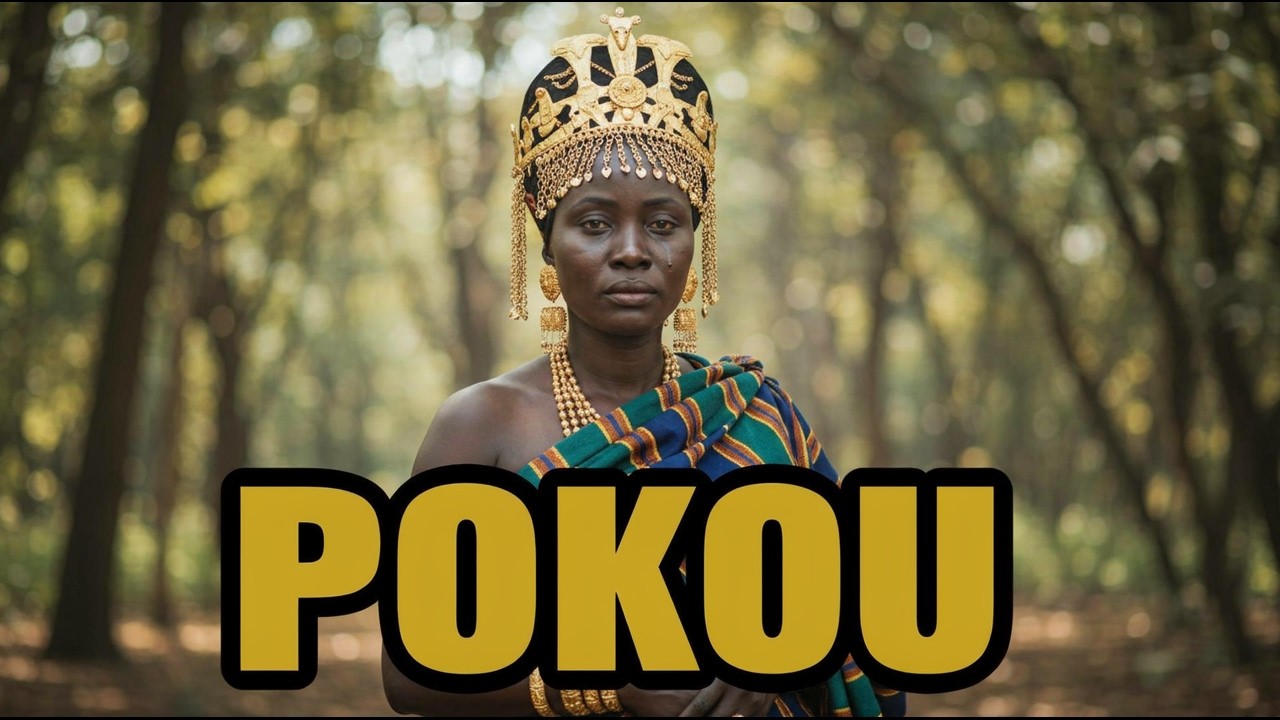
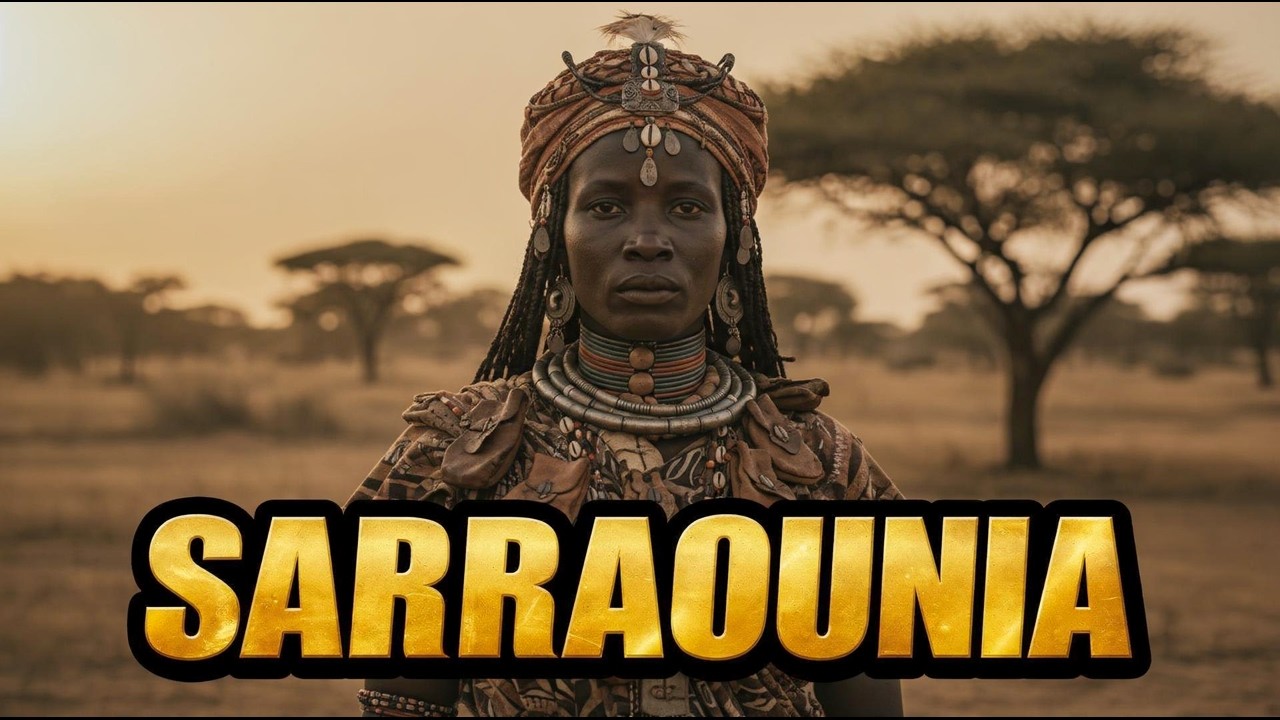
Among the Arewa Hausa of what is now southern Niger, the title Sarraounia names a female ruler whose authority braided together spiritual and political power. A Sarraounia was not a decorative queen; she was a diviner, a rainmaker, a strategist, and often the final word in matters of war. This tradition of women holding sacred-political office runs through several West African polities, but Sarraounia Mangou of Lougou is remembered as one of its sharpest expressions — a leader whose legitimacy rested as much on her command of spiritual forces as on her command of fighters.
It's worth naming clearly what kind of authority this was. Her power was not separate from military strategy — it was military strategy. Oral tradition describes her using ritual knowledge of the land, including the sacred grove near Lougou, as both a defensive asset and a source of legitimacy that outsiders could not read or price on a map.
Historical Background
By 1898, the French mission led by Captains Paul Voulet and Julien Chanoine was cutting a path toward Lake Chad through what is now Niger, and doing so with atrocity as method rather than accident — burning villages, killing civilians by the thousand, in a campaign that became a scandal even within the colonial administration that authorized it.
In April 1899, that column reached Lougou. Sarraounia's forces met them. The mud-brick walls and Sahel scrub of the town were not built for a set-piece siege against a modern military column, and accounts diverge sharply on what happened next: some describe the town falling and burning, others describe Sarraounia withdrawing with her force largely intact, denying the French the clean victory their campaign narrative demanded. What both versions agree on is that she was not captured.
Not long after Lougou, the column's own crimes caught up with it. French authorities dispatched a mission to investigate, and in the breakdown of command that followed, Voulet and Chanoine were shot by their own men. Sarraounia's survival was not the cause of that collapse — it is a parallel fact, not a redemption arc for the column. But it sits in the same historical frame: an expedition built on atrocity failing to secure even the one capture that would have let it claim total conquest.
The Story Behind It
What happened after the fighting at Lougou is where French military logs and Hausa oral tradition genuinely part ways, and it's worth being honest about that gap rather than smoothing it over. Colonial paperwork barely names her. There is no death date, no capture record, no tidy administrative close to her file.
Oral tradition in the region holds instead that she withdrew into a sacred grove — a stretch of bush denser than the surrounding Sahel scrub, understood as both spiritual refuge and tactical fortress. The French column, by most accounts, could not or would not pursue her into it. In memory, that grove becomes something without walls or stone that still functioned as a fortress: a place empire's maps could not translate into territory.
Later novels and films have dramatized Sarraounia's life, and they're worth engaging with as art — they carry forward a name that colonial archives tried to erase through indifference. But they are not evidence, and this deep-dive won't launder that fiction into fact. What can be said plainly, on the strength of both the archive's silence and the oral record's insistence: she existed, she commanded, she defended Lougou, and she was not taken. Her story ends, in the historical record, without an ending — and that absence is itself a kind of evidence. Empire could burn a town and still fail to own a name.