Cultural Context
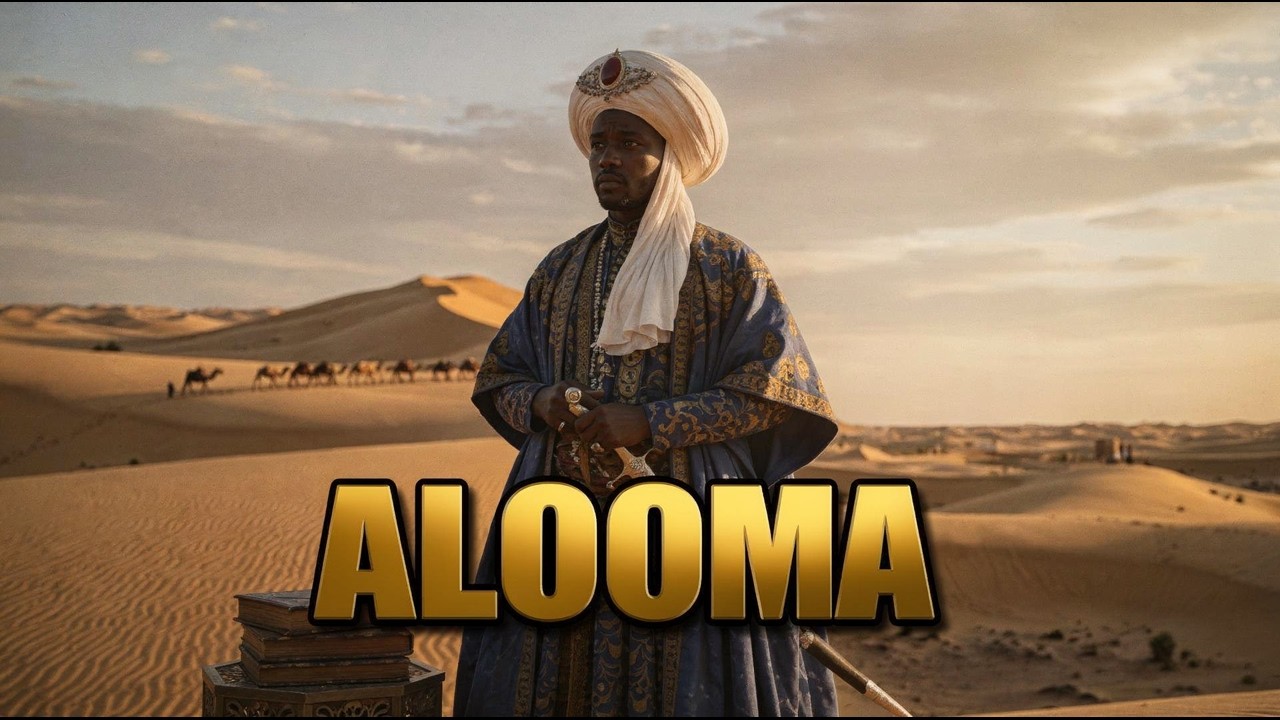
Among the Mandé peoples, political authority was never meant to rest on paper alone. Legitimacy flowed through lineage, oral testimony, and the memory work of griots — hereditary historians and musicians whose recitations carried the deeds of Mansas across centuries. This is why the death of Mansa Musa, the most famous ruler the empire ever produced, left no written account: Mali's record-keeping tradition lived in voices and institutions, not court chronicles.
That same orality explains why the empire's decline can feel invisible in the historical record even as its scholarly institutions flourished in writing. Timbuktu's mosques and madrasas — Sankore chief among them — held a literate Islamic scholarly culture that coexisted with, rather than replaced, the oral tradition carried by griots across the Mandé heartland. Both were living systems of knowledge, and both would be tested by what came next.
Historical Background
Mansa Musa died around 1337, roughly twelve years after the hajj that had made his name synonymous with gold across Cairo, Mecca, and the Mediterranean world. The empire he left behind had no fixed rule of succession — any male of the Keita dynasty could claim the throne, a system that worked only as long as one ruler was strong enough to silence rivals.
His son Mansa Maghan did not hold that strength. His brother Mansa Sulayman fared better, and when the traveler Ibn Battuta visited in 1352 he found safe roads and functioning courts — but even then the empire's edges were fraying. Tuareg confederations pressed from the north, the Songhai people at Gao reasserted independence in the east, the Mossi raided the heartland from the south, and Portuguese ships began charting Atlantic routes that would eventually bypass the trans-Saharan gold trade entirely.
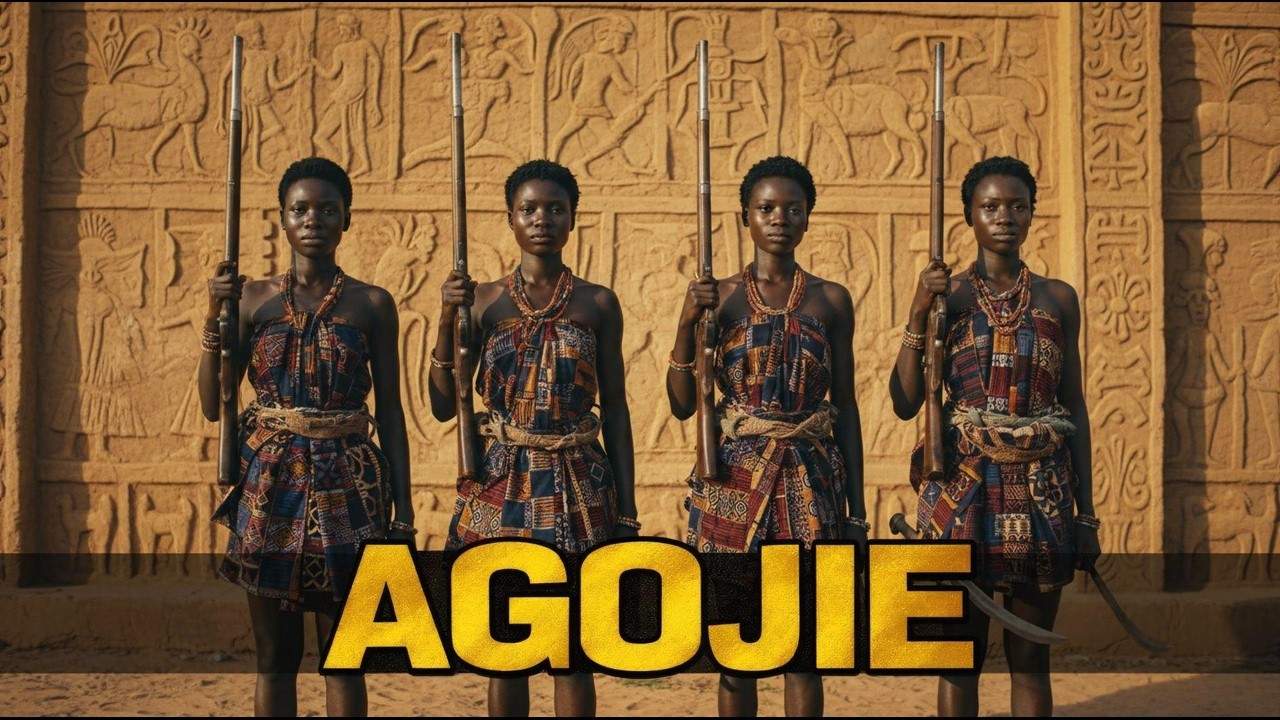
In 1433, Tuareg forces took Timbuktu. By 1500, Mali was a remnant kingdom in its original Mandé homeland. The empire's true heir, Songhai, met its own catastrophic end in 1591, when a Moroccan army armed with arquebuses destroyed Songhai forces at the Battle of Tondibi in a single afternoon — cavalry and iron against firearms. Ahmad Baba al-Timbukti, the era's most celebrated scholar, was taken in chains to Marrakech, and Timbuktu's libraries were looted.
The Story Behind It
What makes this story more than a chronicle of decline is what happened to the knowledge itself. After Tondibi, Timbuktu families did not surrender their manuscripts to conquest. For centuries, they hid them — sealed in metal trunks, buried in desert sand, concealed in basement rooms — passed down quietly, never cataloged, barely spoken of outside the family.
That inheritance nearly met its end again in 2012, when jihadist groups occupied Timbuktu. Staff at the Ahmed Baba Institute organized one of the great rescue operations in the history of human knowledge: an estimated 350,000 manuscripts were loaded into vehicles, carried by boat down the Niger River, and driven along desert roads to safety in Bamako, mostly at night.
The pattern across both moments — 1591 and 2012 — is the same. Empires and cities can fall in an afternoon or erode over generations, but what a people choose to protect, they protect. The griots kept singing through every collapse. The manuscripts, hidden by ordinary families rather than institutions, outlasted the very state that had commissioned them.