Cultural Context
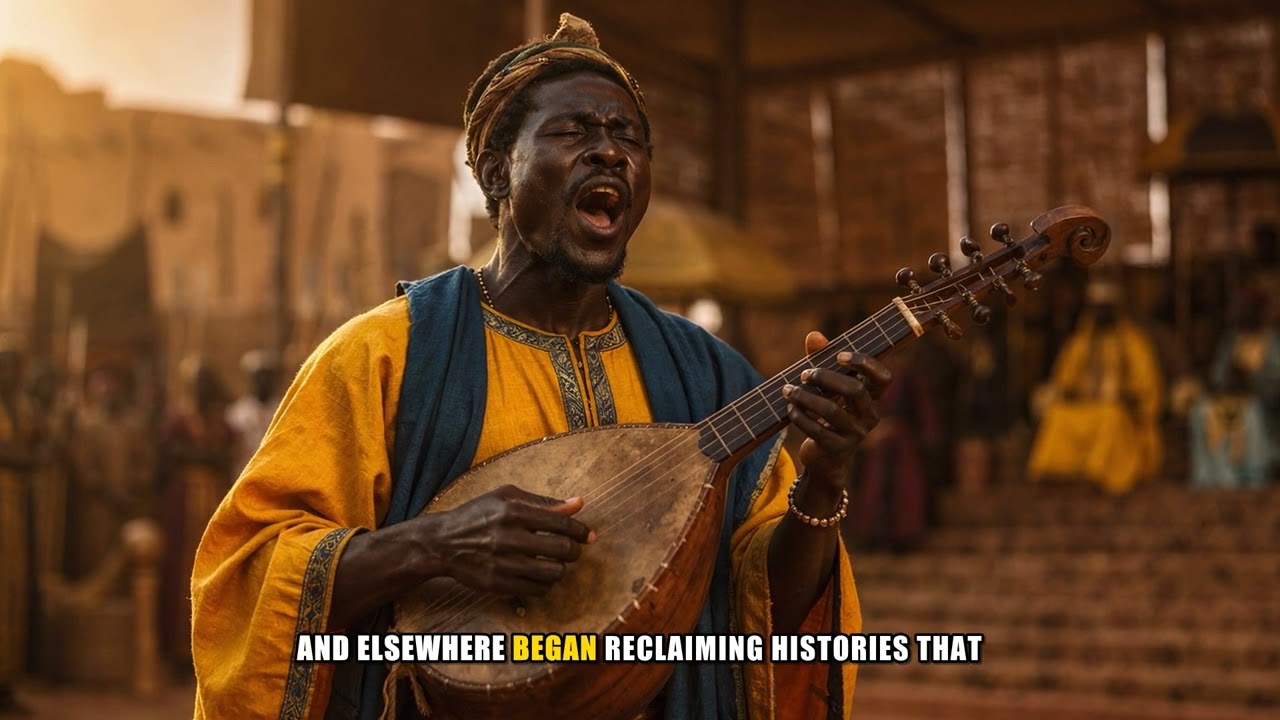
Among the Yoruba peoples, Ile-Ife holds a place unlike any other city — it is regarded as the spiritual origin point of Yoruba civilization, the place where, according to oral tradition, the earth itself was formed. Stories tied to Ile-Ife carry weight beyond entertainment; they function as living history, moral instruction, and spiritual anchor all at once, passed down through generations of storytellers, praise singers, and Ifá priests.
Moremi Ajasoro occupies a singular place within this body of oral tradition. She is not a minor folk character but a foundational figure, invoked in praise poetry (oríkì), festival reenactments, and communal memory as an ancestor whose actions shaped the survival of the Yoruba people. Her annual commemoration through the Edi festival in Ile-Ife keeps her story active rather than archived — she is remembered, sung to, and honored as a continuing presence in community life, not a relic of a closed past.
Historical Background
Oral historians place Moremi's story in the early era of Ile-Ife, a time when the city faced repeated raids from the Ugbo (sometimes remembered as Igbo, unrelated to today's Igbo peoples of southeastern Nigeria), who were said to appear in the forest as fearsome, otherworldly figures and carry off Ife's people into captivity. The city's defenders, unable to identify who — or what — they were facing, found themselves outmatched by fear as much as by force.
Moremi's intervention is remembered as an act of deliberate strategy rather than battlefield heroism in the conventional sense. She allowed herself to be captured, entering Ugbo territory as a captive so that she could observe her captors closely. There, oral tradition holds, she discovered the truth: the Ugbo raiders' terrifying appearance was disguise, not supernatural power — costumes of raffia and grass meant to inspire dread. Armed with this knowledge, she found a way to return to Ile-Ife and reveal it to her people, allowing them to counter the Ugbo's tactic and defend the city.
The Story Behind It
What elevates Moremi's account from a clever tactical victory to a story of deep spiritual gravity is the price attached to her success. Before undertaking her mission, oral tradition holds that she made a vow to the spirit of the Esimirin river, promising an offering in exchange for protection and success. When she returned triumphant, the river spirit called in that vow — and it was her only son, Oluorogbo, who was demanded as payment.
Moremi's choice to honor her promise, even at this devastating cost, is the story's emotional and moral center. It transforms her into a figure who embodies sacrifice as much as cunning — a leader whose triumph could not be separated from personal loss. In Yoruba oral tradition, this pairing of strategic brilliance with sacrificial grief is treated as instructive rather than tragic in a hopeless sense: it speaks to the real cost borne by those who protect a community, and to an ideal of leadership rooted in accountability to one's word, even to spiritual forces.
Moremi is also remembered as a woman who acted with agency in a narrative landscape often centered on male warriors and kings. She is not a passive symbol rescued by others; she designs and executes the plan that saves Ile-Ife. This has made her, across generations of retelling, a touchstone for conversations about women's capacity for strategic leadership, courage, and sacrifice within Yoruba historical memory — someone spoken of alongside, not beneath, the obas and warriors of Ife's founding era.