Cultural Context
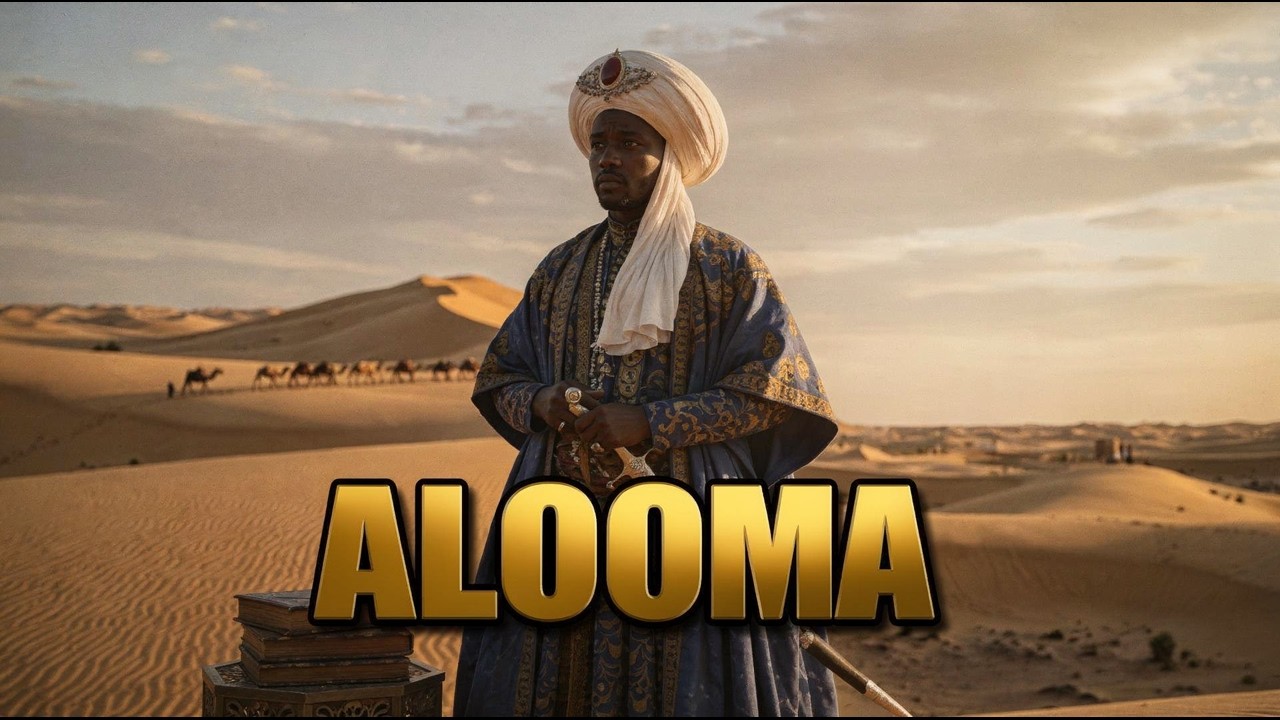
Among the Mande peoples of the medieval Mali Empire, wealth and generosity were never separated. A mansa — the Mande title for emperor — was judged not by how much gold he hoarded but by how freely he distributed it. Griots, the oral historians and praise-singers who traveled with royal processions, existed precisely to narrate and preserve this generosity in memory, turning acts of giving into living history that could be recited for generations.
This is why Mansa Musa's conduct in Cairo, giving gold to officials, merchants, and the poor alike without negotiating prices, was not eccentric behavior from a foreign king. It was Mande kingship performed on an international stage. His refusal to prostrate before the Mamluk Sultan, choosing instead to bow only toward God, reflected the same Mande and Islamic values: piety and dignity mattered more than earthly hierarchy, even when facing the most powerful ruler in the Islamic world.
Historical Background
By the early 1300s, the Mali Empire controlled the trans-Saharan trade routes linking the gold fields of Bambuk and Bure, in present-day Mali and Guinea, to North African and Mediterranean markets. This gold, alongside salt and copper, made Mali one of the wealthiest states in the medieval world, though it remained largely unknown to Europe and parts of the Islamic Mediterranean beyond trading circles.
Mansa Musa's 1324 hajj changed that. His caravan reportedly stretched for miles, with heralds, griots, thousands of attendants, and camels carrying sacks of gold dust. Crossing the Sahara and arriving in Cairo, then under the Mamluk Sultanate, his three-month stay put Mali's wealth on permanent display before Egyptian scholars, merchants, and officials who had never encountered anything like it.
The scholar Al-Umari, writing based on interviews with Cairo court officials who had met Musa directly, documented the visit in detail. His account is one of the reasons historians can trace, with unusual precision, exactly how Musa's spending altered gold's value in real time — and why, years later, mapmakers in Europe would draw a crowned African king holding a gold nugget at the center of the known world.
The Story Behind It
When Musa's procession reached Cairo, word of his approach had already traveled ahead of him. Over three months, he gave gold to every official, court holder, and merchant he encountered, along with generous alms to the poor and donations to mosques and shrines along his route. He also bought goods at whatever price was asked, since bargaining was considered beneath a pious man.
The result was an economic shock no one anticipated, including Musa himself. Flooding a gold-based economy with that much gold in a short span made the metal less scarce, and therefore less valuable. Prices rose, wages fell in real terms, and the disruption rippled outward from Egypt into Mediterranean and Levantine trade networks. Al-Umari, writing thirteen years later, noted that gold's price still had not fully recovered.
When Musa realized what his generosity had caused, he tried to reverse it, borrowing gold back from Cairo's money lenders at interest to shrink the supply again. Whether this worked is unrecorded. He continued on to Mecca, leaving behind a decade of economic recovery and, unintentionally, the first clearly documented case of a single person's spending causing widespread inflation.