Cultural Context
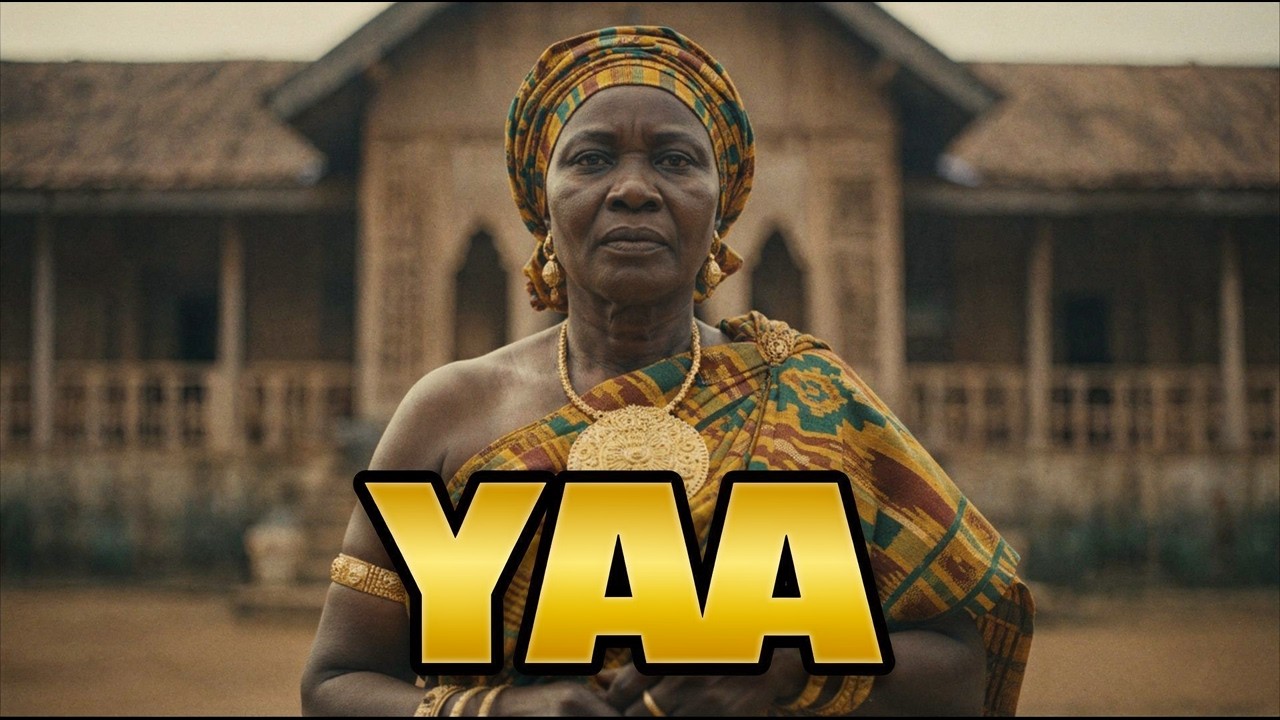
In Yoruba storytelling, and across many neighboring traditions such as the Igbo, there is a deep and recurring figure: the elder, deity, or ruler who sheds their power and walks among ordinary people unrecognized. Sometimes it is Ọbatala wandering the roads in rags. Sometimes it is a king who disguises himself as a beggar to learn what his subjects truly think of him. The purpose is never simple trickery — it is a moral test, a way of separating true character from performed character.
This motif works because it exposes a very real social truth: people often behave differently depending on who they believe is watching. A person may be gracious to someone powerful and cruel to someone they assume is powerless. The disguised elder story format lets an audience witness both faces at once, which is exactly the mechanism at work when Kemi Adi transforms into "Mama Nuki," a poor widow serving in her own son's mansion. Her fiancée-to-be, Chidinma, treats the invisible servant with contempt while performing warmth for Henry — and the disguise is what makes that contradiction visible.
It matters that this pattern is specifically Yoruba and West African in its logic, not a generic "folktale trope." It reflects a worldview in which elders are understood to carry hidden wisdom (ogbon) and spiritual authority that can be concealed but never diminished, and in which testing character before sanctioning a marriage or a succession is a serious communal responsibility, not idle suspicion.
Historical Background
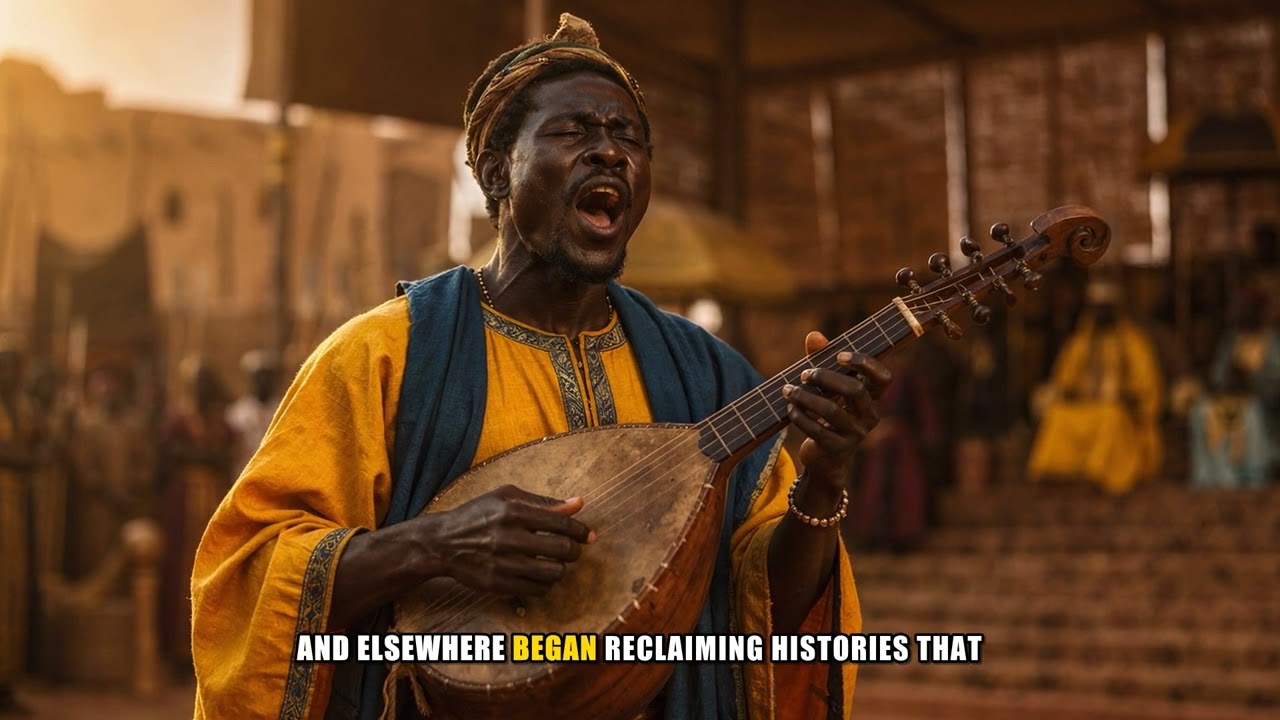
The disguised-test story has circulated in Yoruba and Igbo oral tradition for generations, told at gatherings, by grandparents to grandchildren, and through traveling storytellers who adapted the core structure to their audience and moment. Because oral tradition is living and portable, the same skeleton — a hidden observer, a revealed truth, a public reckoning — reappears in tales about kings testing chiefs, wealthy men testing suitors for their daughters, and mothers testing the women their sons intend to marry.
The motif also carried a practical social function historically: in societies organized around extended family compounds and communal land, a marriage was never just a union of two individuals but an alliance between households, resources, and reputations. Testing a newcomer's character before fully welcoming them in was a way of protecting the family's stability. The disguise device dramatizes this vetting process, turning an ordinary (if uncomfortable) social practice into gripping narrative.
In the twentieth century, this same structure found new life in Nigeria's video-film industry, often called Nollywood, which drew directly on oral storytelling conventions — moral testing, poetic justice, dramatic reveal — while updating the settings to Lagos mansions, corporate boardrooms, and smartphones. The billionaire matriarch who becomes a maid is a direct descendant of the disguised elder, translated into a world of business empires and inheritance rather than kingdoms and chieftaincy.
The Story Behind It
Kemi Adi's transformation into "Mama Nuki" follows the classic shape of the motif almost beat for beat. A figure of real power — here, a self-made billionaire matriarch rather than a king or deity — chooses to strip away every visible marker of status: fine clothes, styled hair, upright posture, her very name. She adopts the guise of someone society overlooks entirely, a poor elderly servant, because she understands a hard truth embedded in the oral tradition: those with power are shown a curated version of reality, while those without power see how people really behave.
What makes this modern telling resonate with its ancestors is the specificity of what Kemi witnesses. Chidinma's cruelty toward the household staff, her private mockery of Henry, and her calculated talk of pregnancy and inheritance are not just plot twists — they are the exact category of hidden truth the disguised-elder story exists to surface. In older tellings, the disguised king might discover a treacherous chief plotting rebellion, or a suitor secretly abusing those beneath him. The stakes have shifted to Lagos real estate and corporate fortunes, but the underlying test is identical: how does this person treat someone who can offer them nothing?
The story's tension also honors another traditional element — the disguised figure cannot act on suspicion alone. Kemi resists confronting Henry with a mere feeling, because in this tradition, accusations without evidence damage the accuser's credibility as much as the accused. She must gather proof patiently, the way a true elder or ruler in the old stories waits and watches before rendering judgment. This patience is itself part of the moral lesson — power exercised carelessly is not wisdom.
Diaspora Connections
The disguised-tester motif traveled with West African communities into the diaspora and surfaces in adapted forms across the African American oral tradition, Caribbean storytelling, and Black church parables, often reframed around themes of hidden dignity and divine testing — the stranger who turns out to be an angel, the poor traveler who is secretly owed respect. While the specific Yoruba theological framing (elders and deities like Ọbatala walking in disguise) is distinct, the diaspora echoes share its central instruction: character is what you do when you believe no one important is watching.
Contemporary Nollywood and its diaspora audiences, from London to Houston to Johannesburg, have kept this structure alive and commercially vibrant, proving that the motif is not a relic but an actively reinvented storytelling tool for new generations navigating wealth, family, and trust.