Cultural Context
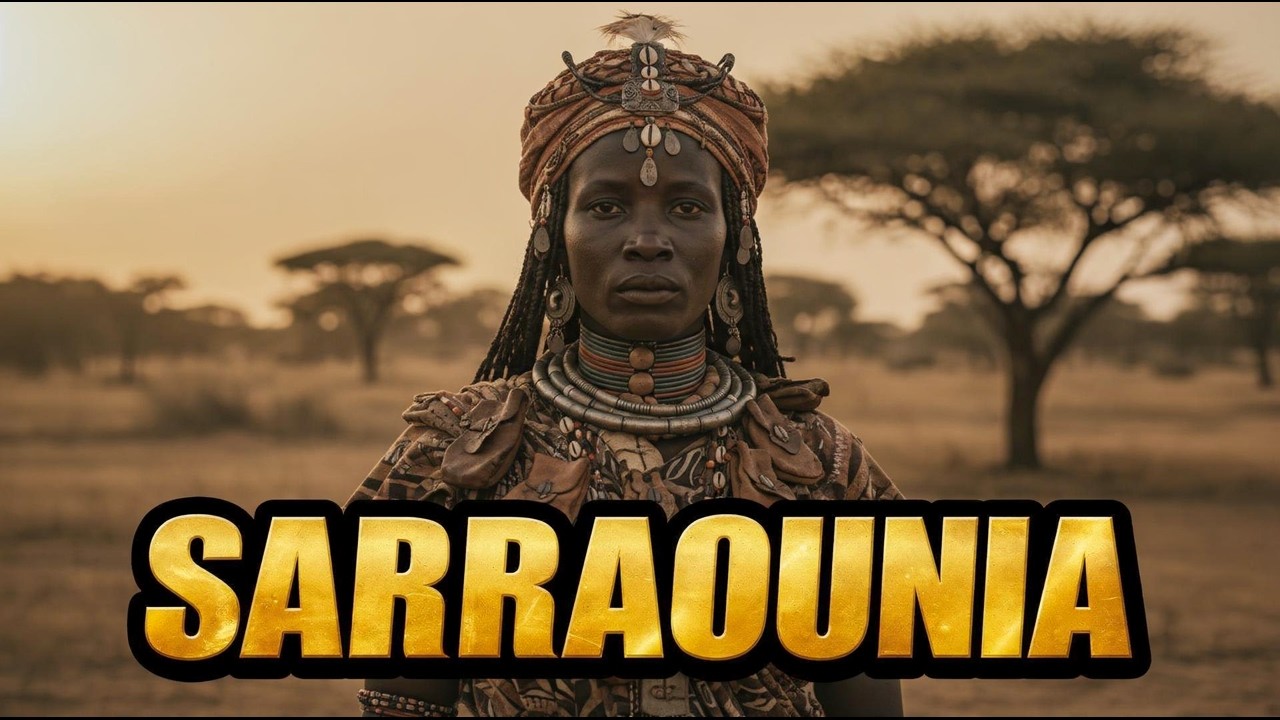
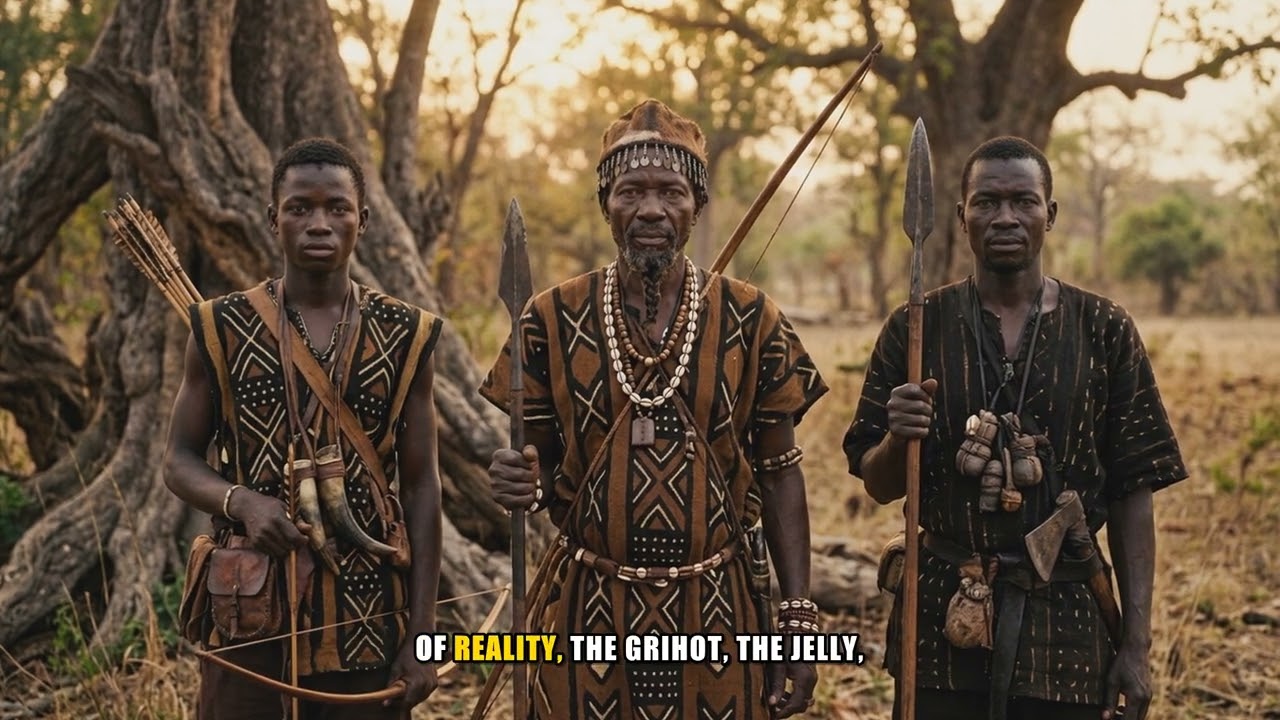
The Sahel is not a single culture but a corridor—a semi-arid belt stretching between the Sahara and the savanna, watered by the Niger and Senegal Rivers and the shores of Lake Chad. For over a millennium, this corridor was home to some of the most sophisticated political systems in the medieval world, built by the Soninke, Mandinka, Songhai, and Kanuri peoples.
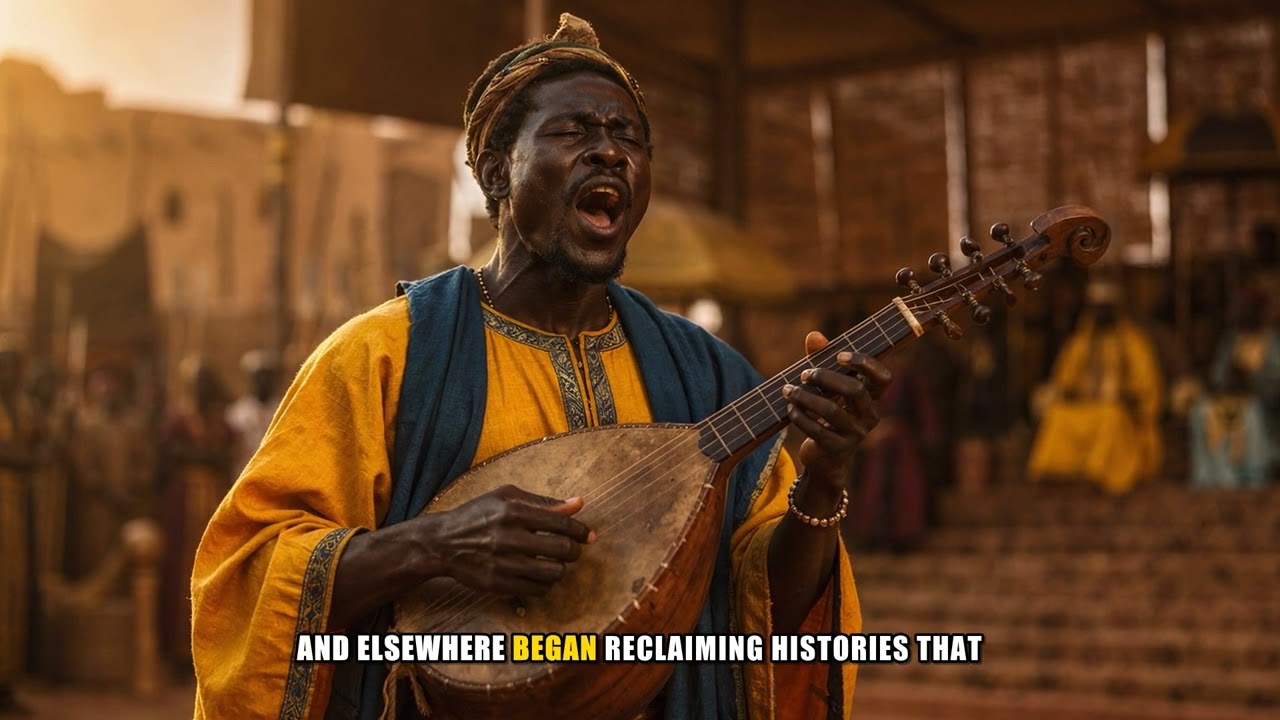
These were not isolated societies. They sat at the crossroads of trans-Saharan trade, where gold from the forested south met salt from Saharan mines and both moved north toward the Mediterranean and Middle East. Wealth generated by this exchange funded courts, armies, mosques, and libraries. It also funded something less tangible but just as durable: a regional identity built on scholarship, Islamic learning blended with local governance, and oral tradition carried by griots—professional historians and praise-singers whose epics are still performed today.
Understanding these empires means resisting the flattening habit of calling this simply "African history." Ghana was built by the Soninke. Mali rose from the Mandinka. Songhai and Kanem-Bornu carried their own distinct peoples, languages, and institutions forward. Each contributed a different piece to what became a shared West African inheritance.
Historical Background
Ghana, founded by the Soninke around 300 CE, was the first of the great Sahelian states to draw international attention. By the 9th century its capital, Koumbi Saleh, was a magnet for Arab traders who called the empire "the land of gold." Ghana's power rested on control of the gold trade between the Bambuk and Buré goldfields and North Africa—taxing every caravan that passed through its territory. Its governance, with a king, provincial administrators, a standing military, and courts, rivaled contemporary kingdoms anywhere in the world. Almoravid incursions in the 11th century weakened Ghana, and by the 13th century it had fragmented—but the institutions it built became the template for what followed.
Mali rose from that fragmentation. Around 1235, Sundiata Keita united the scattered Mandinka peoples, defeating the Sosso Empire and founding a state that would become the largest West African empire in history—stretching from the Atlantic coast to the bend of the Niger River, larger in area than Western Europe. Mali's capital, Niani, became a hub of Islamic scholarship, diplomacy, and trade.
Mali's peak came under Mansa Musa (r. 1312–1337), whose 1324 pilgrimage to Mecca with a reported 60,000 attendants and enormous quantities of gold made his name known from Cairo to European courts—some medieval maps depicted him holding a golden scepter. His generosity in Cairo was so lavish it destabilized Egypt's gold-based economy for years. Under Mali, Timbuktu became a center of learning; its Sankoré institution drew scholars from across Africa and the Islamic world to study law, astronomy, and mathematics, supported by manuscript collections numbering in the hundreds of thousands.
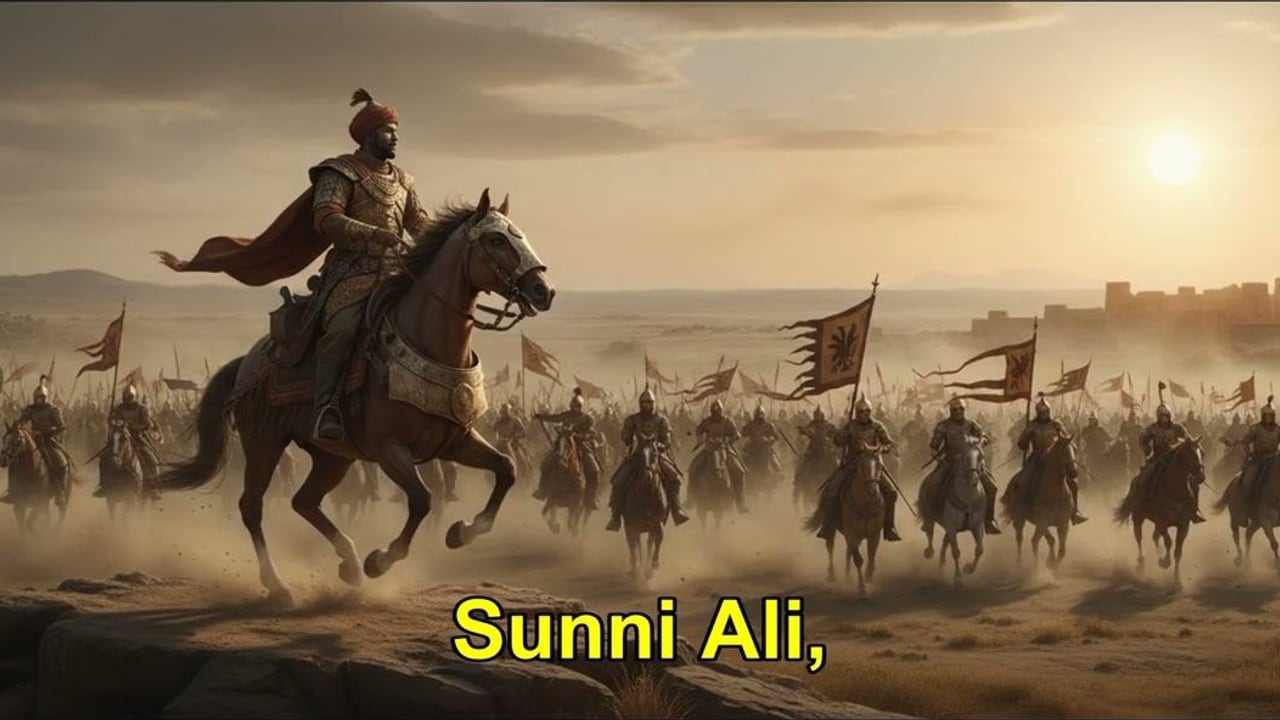
As Mali declined, the Songhai Empire, centered on Gao along the Niger, eclipsed it, expanding trade routes and further developing Timbuktu's scholarly reputation. Meanwhile, to the east, the Kanuri peoples built Kanem-Bornu around Lake Chad, an empire that endured for nearly a thousand years, linking Sahelian trade networks to the central Sudan and the Nile Valley.
The Story Behind It
The version of Sundiata's rise still told today comes not from written chronicles but from the griots—Mandinka oral historians whose duty is to preserve the epic across generations through song. In that telling, Sundiata was a disabled prince, underestimated and exiled, who returned to defeat the tyrant Sumanguru Kanté and forge a nation from scattered chiefdoms. The epic is not treated as distant legend by Mandinka communities; griots continue performing it, adapting cadence and detail for new audiences while preserving its core lessons about resilience, wisdom, and legitimate rule.
Mansa Musa's hajj occupies a similar space between history and legend, but here the record is corroborated by outside observers—Cairo's chroniclers documented the gold-driven inflation his caravan caused, and Mediterranean and European mapmakers began drawing Mali prominently, gold scepter and all. What makes the story matter beyond its spectacle is what it reveals: a West African ruler whose wealth and religious devotion were legible and consequential across three continents, at a time when Europe often imagined Africa as marginal.
Timbuktu's story is quieter but arguably more consequential. Its scholars weren't simply custodians of religious texts—they debated astronomy, medicine, and law, and their manuscripts, many still preserved by Malian families today, testify to an intellectual culture that predates and parallels European university traditions.
Diaspora Connections
The Sahelian empires' reach did not end at the Sahara's edge. Trans-Saharan trade networks connected West African gold and scholarship to North Africa, the Middle East, and Europe centuries before the transatlantic slave trade forced a different, more painful set of connections across the Atlantic.
When West Africans were later dispersed across the Americas, they carried fragments of this legacy with them—griot-style oral storytelling, Islamic literacy traditions from Mali and Songhai, and governance memories that shaped how communities organized themselves in the diaspora. Contemporary Mandinka, Songhai, and Kanuri communities across Mali, Niger, Nigeria, and beyond continue to draw on this history as a source of pride and identity, and the epic of Sundiata remains part of living oral performance rather than a relic confined to books.