Cultural Context
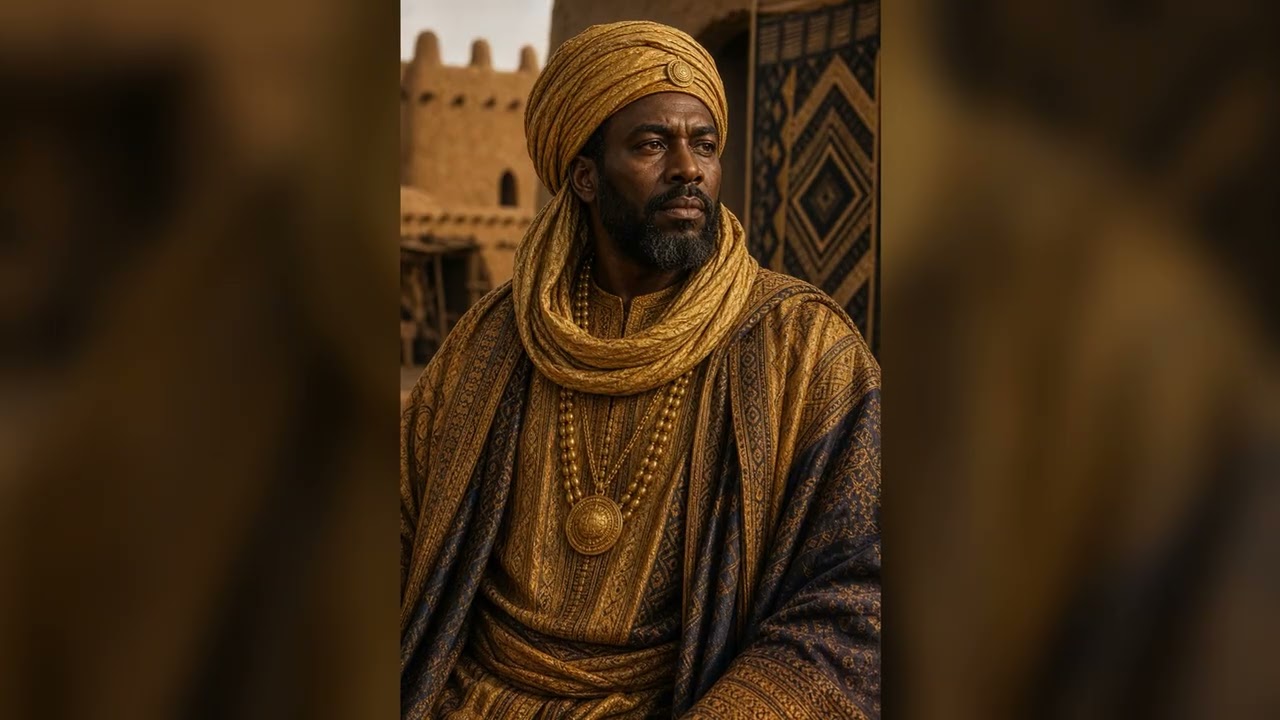
Among the Malinke, wealth was never understood as a private hoard — it was a public trust, tied to the responsibility of leadership. The Mansa, or 'king of kings,' was expected to display abundance not for vanity but to prove the empire's order and to bind together the many peoples, languages, and trades under Mali's rule.
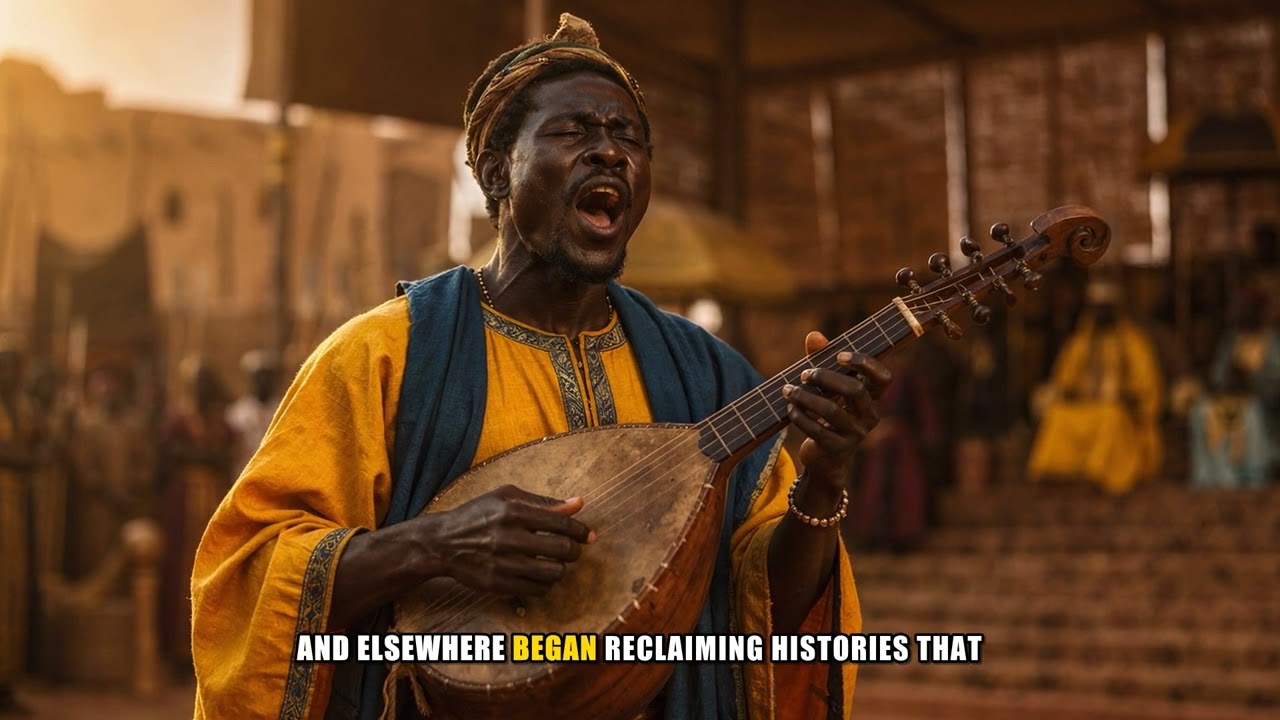
Much of what we know about how that order actually worked — the routes, the taxes, the negotiations between rulers and merchant families — survives because griots carried it forward as living memory. Oral tradition in Malinke culture was never a lesser record kept beside "real" history; it was the archive itself, recited, debated, and updated across generations. That's why a figure like Mansa Musa still reaches us in vivid fragments rather than dry dates.
Historical Background
By the time Mansa Musa took the throne in 1312, Mali was already a vast imperial world stretching roughly 2,000 miles, larger than Western Europe. Its power did not rest on conquest alone — it rested on geography.
- Gold flowed from regions like Bambuk and Bure, worked by local miners and traders long before any outside empire took interest.
- Salt, just as valuable as gold in inland West Africa, came from the desert mines of Taghaza, hundreds of miles north across the Sahara.
- The Niger River served as the empire's highway, moving grain, cloth, and goods between farming communities and trading cities.
- Caravan routes carried salt south and gold north, crossing a Sahara that functioned less like a barrier and more like a road.
Mali's rulers built an administrative system of officials who taxed, protected, and organized this flow. Gold did not simply pile up in Niani — it passed through a state engineered to move it, tax it, and convert it into political power.
The Story Behind It
Before Musa, the throne belonged to Abu Bakr II, a ruler remembered for sending a great expedition west into the Atlantic — and never returning. Musa, who had served as his deputy, rose to power in the aftermath of that disappearance, inheriting an empire already running on the gold-salt exchange that generations of traders, farmers, and officials had built.
What made Musa's later fame possible in 1324 — the caravan of camels bent under gold, the attendants, the staffs flashing in morning light — was not a single king's genius. It was decades of accumulated trade infrastructure: taxed river traffic, protected caravan roads, and controlled access to two resources the wider world desperately wanted. The pilgrimage that would make Musa a legend across Cairo and beyond was, in economic terms, simply Mali's trade system walking out onto the world stage.