Skip to content African Facts & Fables Fables The Independence Files Three Men Declared Themselves President on the Same Night The Independence Files · Ep. 8
Three Men Declared Themselves President on the Same Night Southern Africa· Angolan (MPLA, FNLA, UNITA)· Contemporary· Legends & Heroes· 16 min On November 11, 1975, Angola gained independence at midnight. But instead of celebration, three different leaders — Agostinho Neto, Jonas Savimbi, and Holden Roberto — each declared themselves president from three different cities. What followed was one of the Cold War's bloodiest proxy wars, lastin
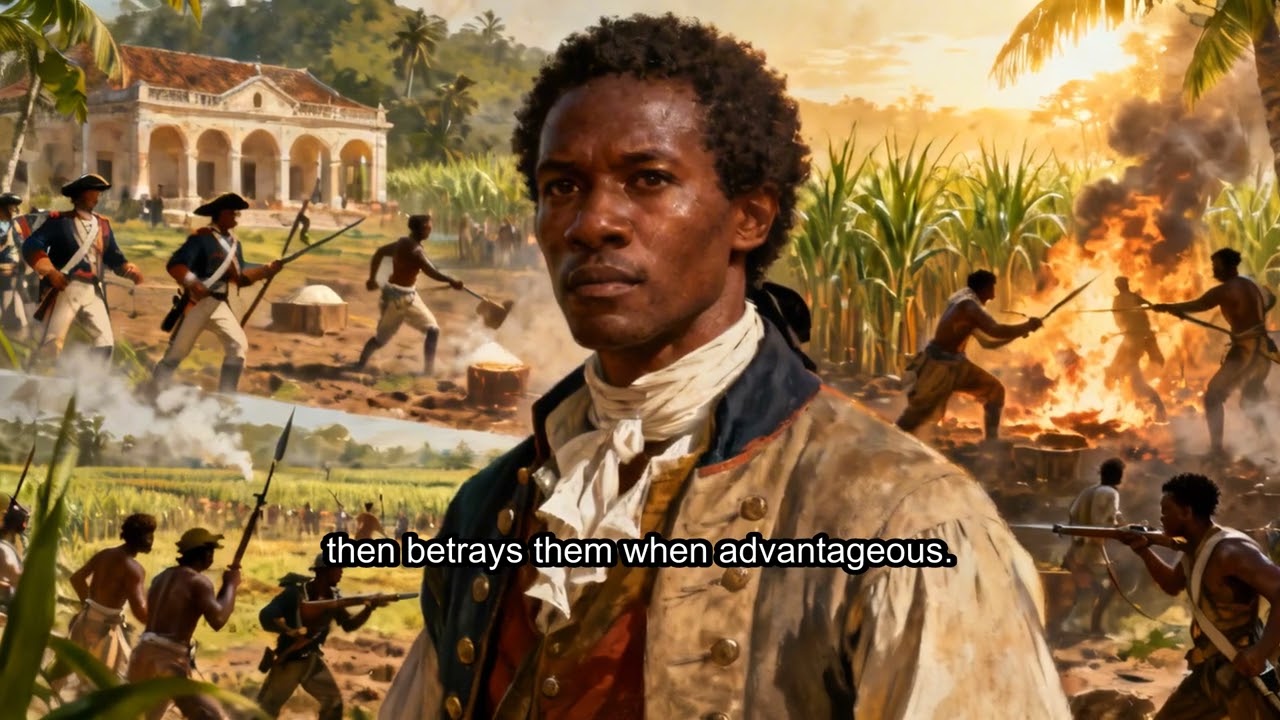
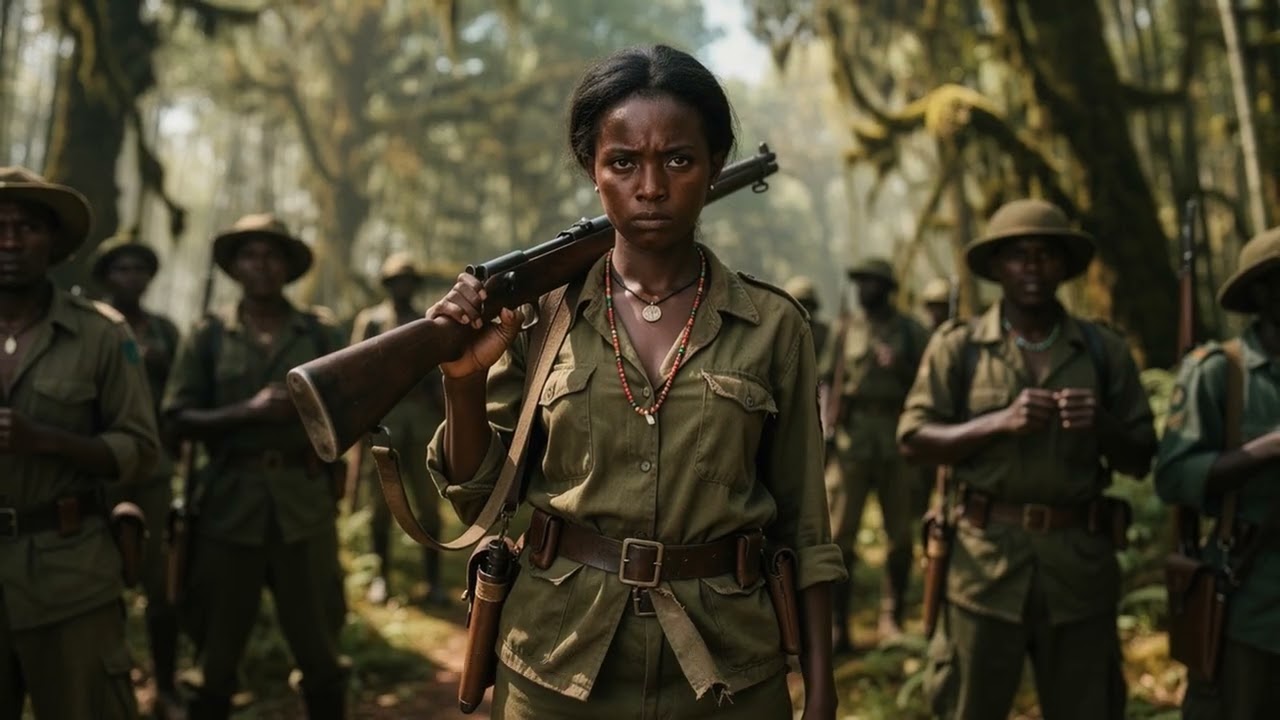
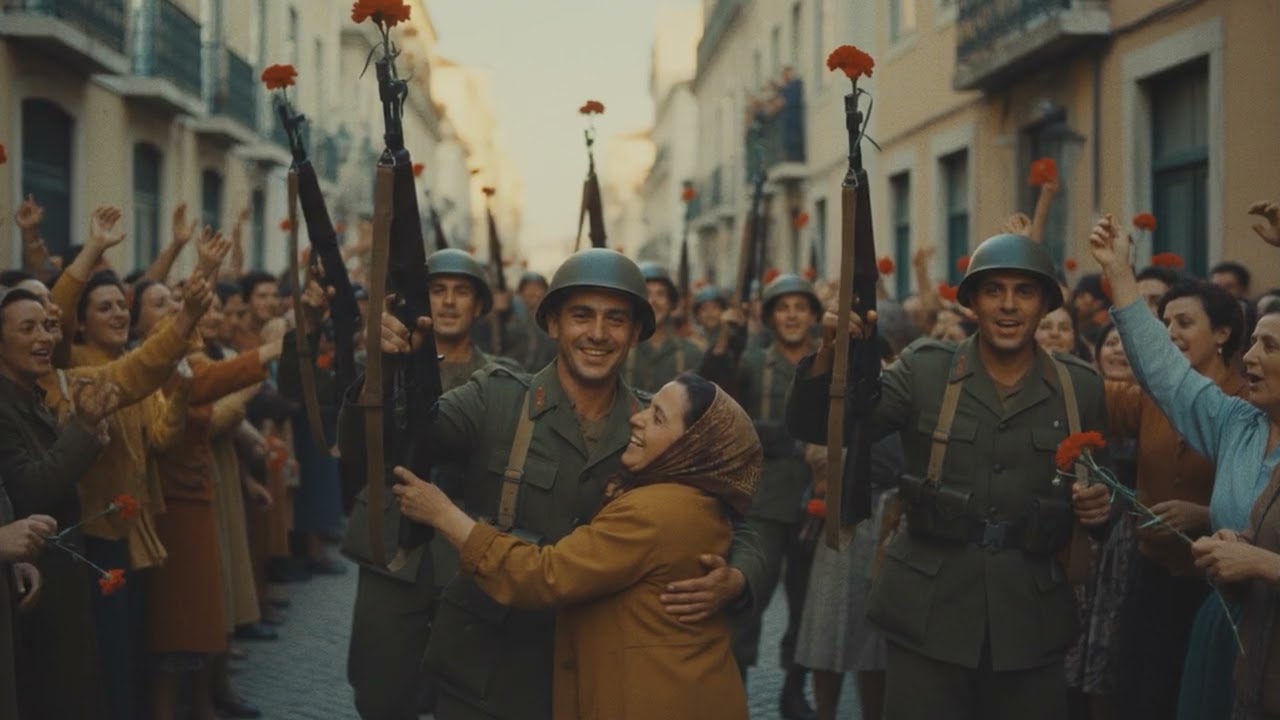
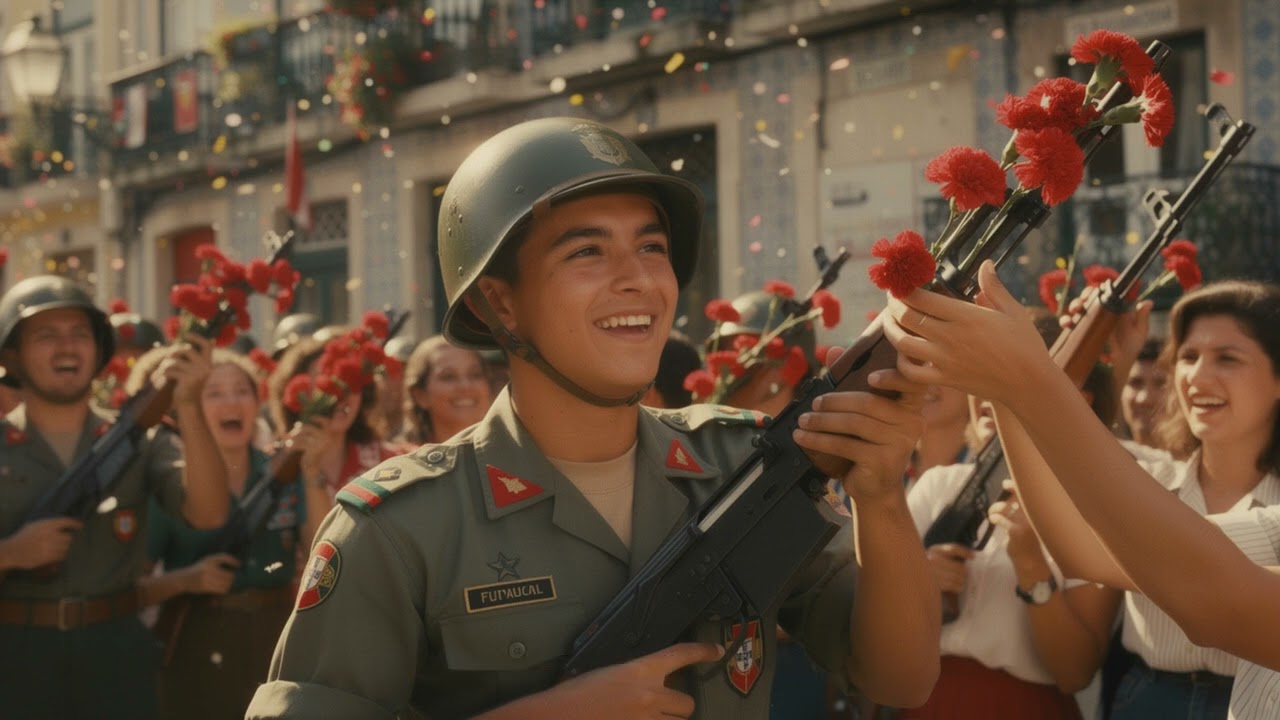
TranscriptRead along · tap any line to jump there Search the transcript 0:03 February 4th, 1961, 2:00 in the morning, Luanda, Angola. 0:09 MPLA fighters armed with machetes and stolen rifles storm the Sao Paulo prison. Their mission, free political prisoners and start a revolution. Guards open fire. The fighters fire back. Chaos erupts across the courtyard. Some 0:25 prisoners escape into the night. Many fighters die on the cobblestones. Six weeks later, northern Angola explodes. 0:32 Thousands of cotton and coffee workers, forced laborers, essentially enslaved, rise up with machetes. They attack plantations and burn colonial buildings to the ground. Portugal's response is annihilation, aerial bombing, napalm 0:48 dropped on villages. 20,000 to 50,000 Angolans killed in the uprising. Entire communities erased from the earth. But it doesn't matter how many die. The message is clear. After 450 years of Portuguese rule, Angola fights back. 1:05 Agostinho Neto's voice crackles across underground radio stations. The revolution has begun. February 4th becomes Angola's revolutionary birthday. 1:15 Portugal calls it terrorism. Angolans call it the beginning of the end of colonialism. To understand why Angola erupted, understand what Portugal built here. 1:26 1483, Portuguese ships arrive. They never leave. 1:31 Four and a half centuries of extraction, diamonds, oil, enslaved people, forced labor. By the 1960s, Portugal refuses to decolonize while the rest of Europe retreats from Africa. Salazar's dictatorship declares Angola is not a 1:47 colony. It is Portugal itself. Forced labor camps and diamond mines power the Portuguese economy. Angolans dig the wealth out of their own soil and receive nothing. 98% illiteracy, life expectancy under 40. Portugal calls this 2:02 civilization, but beneath the surface, resistance is organizing. Three separate liberation movements are forming in the shadows, each with a different leader, a different ideology, a different vision. 2:15 Three men, three armies, three visions. 2:18 Agostinho Neto, poet, doctor, Marxist, leads the MPLA from Luanda, backed by the Soviet Union and Cuba. 2:28 Holden Roberto, polished, politically connected, leads the FNLA from the north, backed by America and Zaire. 2:35 Jonas Savimbi, brilliant, ruthless, charismatic, leads UNITA from the central highlands. All want independence, none will share power. 2:48 Agostinho Neto writes poetry about freedom while practicing medicine in Luanda. He is arrested repeatedly by Portuguese secret police. Tortured, exiled, he escapes and founds the MPLA in exile. His ideology is Marxist-Leninist socialism, multiracial, 3:06 urban, intellectual. The Soviet Union sees an ally. Cuba sees a brother in revolution. Neto sees a free Angola. 3:14 Holden Roberto operates from across the border in Zaire. He has powerful connections. His brother-in-law is Mobutu Sese Seko, Zaire's dictator. The CIA channels millions through Mobutu to Roberto's FNLA. Roberto's support base is the Bakongo people of northern 3:33 Angola. He is a nationalist, not a communist. Washington considers that good enough to fund him. Then there is Jonas Savimbi, Stanford educated, speaks six languages, a born leader with the charisma of a preacher and the instincts 3:47 of a warlord. He breaks from the FNLA to form UNITA in the central highlands, among the Ovimbundu, Angola's largest ethnic group, 40% of the population. 3:58 Savimbi starts as a Maoist. He will become whatever gets him power. Through the 1960s, all three movements waged guerrilla war against Portugal, but they also fight each other. MPLA against FNLA in the north, UNITA against both in the 4:14 center. Portugal has 60,000 troops, helicopters, and napalm. The liberation movements have AK-47s, machetes, and the population. Three armies against one empire, and against each other. Portugal is fighting three colonial wars at once. Angola, 4:33 Mozambique, Guinea-Bissau. 40% of the national budget consumed by war. Young Portuguese men flee the country to avoid the draft. 11,000 Portuguese soldiers dead across three continents. The empire is hemorrhaging. Something has to break. 4:49 And when it does, it will not break in Africa. It will break in Lisbon. Caught between four armies, three liberation movements, and Portugal, ordinary Angolans suffer the most. Villages burned by all sides, families displaced, 5:04 children growing up knowing nothing but war. The people who want freedom the most have the least say in how it comes. 5:11 Angola's tragedy is already taking shape. Too many liberators, none willing to share the liberation. 5:21 April 25th, 1974. 5:24 Lisbon, Portugal. 5:26 Military officers stage a coup against the dictatorship. They call it the Carnation Revolution, named for the flowers soldiers place in their rifle barrels. The new government announces what Portugal's African colonies have 5:39 waited generations to hear. All colonies will receive independence. Angola, Mozambique, Guinea-Bissau. The empire is finished. Freedom is coming. January 1975, the Alvor Agreement. All three movements sit at a table in Portugal and agree to 5:58 share power. A transitional government, elections, peaceful handover. Neto, Roberto, and Savimbi shake hands for the cameras. They smile, but their eyes tell a different story. Every man at that table knows this agreement is already 6:14 dead. It will last exactly 9 months. By summer 1975, the Alvor Agreement is ashes. Street battles erupt in Luanda between MPLA and FNLA fighters. Neighborhoods become war zones. Civilians flee crossfire. The transitional government collapses. Each 6:33 movement blames the others. Each prepares for war. Independence Day is November 11th, 5 months away. 6:41 And no one knows who will control Angola when that clock strikes midnight. 6:46 300,000 Portuguese settlers flee Angola in panic. They call it the greatest airlift since Berlin. Ships and planes overloaded with terrified families. And as they leave, they sabotage everything. 6:59 Machinery destroyed, concrete poured into engines, equipment smashed. If we cannot have Angola, no one will. 7:07 Portugal abandons its oldest colony with no functioning government. Now it becomes a race. 7:13 Three armies converge on Luanda. 7:15 The MPLA holds the capital with Soviet-supplied weapons. The FNLA advances from the north with Zairian support and CIA money. 7:24 UNITA pushes from the south. Whoever controls Luanda on Independence Day controls the country. The map of Angola becomes a battlefield with arrows pointing at one city. Luanda becomes a city under siege. MPLA forces dig in 7:38 while FNLA troops advance from the north supported by South African artillery advisers. Thousands of civilians are caught in the crossfire. Bodies in the streets, buildings burning. The city that is supposed to celebrate independence in weeks is instead tearing 7:54 itself apart. November 11th approaches. 7:58 The clock is ticking toward midnight. 8:03 November 11th, 1975, midnight in Luanda. Agostinho Neto, the poet, the doctor, the revolutionary, steps to the podium. Floodlights blaze across the crowd. He raises his fist and declares the People's Republic of Angola. The MPLA flag rises. The crowd 8:23 erupts. After 450 years, Angola is free. 8:27 Or so Neto believes. At the exact same hour, 300 km north in Ambriz, Holden Roberto raises the FNLA flag. He declares the Democratic Republic of Angola. 8:40 His supporters cheer, but the crowd is smaller. The ceremony improvised. 8:45 Roberto has American money and Zairian soldiers, but Luanda is slipping from his grasp. He doesn't know it yet. And in Huambo, in the central highlands, Jonas Savimbi addresses his UNITA followers. His voice booms across the night air. He declares the Social 9:03 Democratic Republic of Angola. Three governments, three presidents, three national anthems, same country, same hour, same night. The world watches in disbelief. Which Angola is real? The answer will be decided by war. Newspaper 9:19 headlines around the world read the same. Angola in chaos. Who is in charge? 9:24 The Soviet Union and Cuba immediately recognize the MPLA. The United States and Zaire back the FNLA and UNITA. Cold War lines are drawn overnight. Angola's independence is not a celebration. It is a starting gun, and the superpowers are 9:41 already running. Soviet cargo planes land in Luanda around the clock. 9:46 AK-47s, tanks, MiG fighter jets, artillery pieces, the Soviet Union pours weapons into Angola to keep the MPLA alive, but weapons alone are not enough. Neto needs soldiers, real soldiers, professional military forces who can fight a conventional war. 10:05 And there is only one country willing to send them, Cuba. 10:09 Fidel Castro makes a decision that will change African history. He sends combat troops, not advisers, not observers, but 36,000 soldiers to defend the MPLA. 10:21 Cuban troops land at Luanda port in November 1975. It is the largest foreign military intervention in African history. Castro declares, "We will defend Angola's revolution." He means it. 10:37 From the south, another army arrives. 10:40 South Africa, the apartheid regime invades Angola with 3,000 troops, tanks, and artillery. Operation Savannah, their armored column advances 1,000 km toward Luanda. The CIA funds the operation with $32 million. 10:56 America and apartheid South Africa fighting side by side against a Marxist government defended by Cuba. November 10th, 1975, 1 day before independence, the Battle of Cuito Cuanavale. 11:10 FNLA forces backed by South African artillery attack Luanda from the north. 11:16 Cuban forces with Soviet rocket launchers meet them head-on. The battle is devastating. The FNLA is routed in hours. Holden Roberto flees to Zaire and never returns. The FNLA collapses. Two armies remain. The MPLA holds Luanda. 11:34 The international community begins recognizing Neto's government as the legitimate government of Angola. Victory of a kind, but Agostinho Neto knows the truth. Jonas Savimbi has not surrendered. UNITA has simply retreated into the bush, into the central 11:50 highlands, into the diamond-rich east. 11:53 Savimbi will not stop fighting. The war for Angola is just beginning. Jonas Savimbi retreats to the jungle and builds an empire of war. Diamond mines in the east fund his army. Millions in CIA money arrive through South Africa. 12:09 Reagan invites Savimbi to the White House in 1986 and calls him a freedom fighter in the tradition of George Washington. Meanwhile, Savimbi executes rivals, recruits child soldiers, and plants millions of land mines. 1975 to 2002, 27 years of civil war, 500,000 12:29 dead, 4 million displaced from their homes, 80,000 people maimed by land mines. Angola becomes the most heavily mined country on earth. The Cold War ends in 1991. The Soviet Union collapses. Cuba withdraws its troops, but Angola's war continues. Now it is 12:47 only about power and diamonds. February 22nd, 2002, government forces track Jonas Savimbi to Moxico province. He is killed in an ambush. The man who fought for 27 years, freedom fighter, CIA asset, warlord, dies in the jungle he turned into a 13:05 fortress. Within weeks, UNITA signs a ceasefire. The war ends, not with a peace treaty, with a death. 13:16 Today Angola is at peace. The MPLA still governs. Oil makes Angola one of Africa's wealthiest nations on paper, but drive 5 minutes from the gleaming towers of downtown Luanda and you find shantytown slums with no clean water. 13:32 Oil wealth flows upward, poverty stays at the bottom. Independence was won, equality was not. Landmine clearance teams still work across Angola every day. Thousands of mines remain buried in fields where children play and farmers 13:46 plant crops. 80,000 Angolans lost limbs to these weapons. A generation grew up knowing nothing but war. The scars of 27 years do not heal in a decade. They do not heal in two. Three men who wanted to liberate Angola ended up destroying it. 14:04 Neto died in 1979, exhausted and embattled. Roberto died in exile, a historical footnote. Savimbi died in the jungle, a warlord with blood on his hands. 14:16 None of them saw the Angola they promised their people. Independence was the easy part. Building a nation from three wars proved impossible, but Angola endures. A new generation, born after the war, unburdened by Cold War allegiances, is rebuilding. They carry 14:34 the weight of half a million dead and the hope of 50 million living. 14:39 Angola won its independence on November 11th, 1975. 14:43 It took 27 more years and half a million lives to win peace. 14:48 The struggle continues. Three armies, one nation. Independence won, peace lost. This was Angola. The fight for freedom continues. 14:58 Next on the Independence Files, South Africa. The longest liberation struggle on the continent, from Sharpeville to Soweto to Robben Island. How Nelson Mandela and millions of ordinary South Africans dismantled apartheid. The 15:13 Independence Files continues. Subscribe so you don't miss it. Captions from YouTube. Automatic captions can mishear names and places.
Episodes The Independence Files · 8 episodes
·
Haiti: The Impossible Revolution 27 min The ONLY successful slave rebellion in all of human history.
·
Algeria: The 8-Year War That Broke France 18 min For 132 years, France claimed Algeria wasn't a colony—it WAS France. But on November 1, 1954, Algerian revolutionaries launched a guerrilla war that would last 8 brutal years, cost 1.5 million lives, and break French colonial power forever.
4
4. The Mau Mau Uprising Britain Tried to Erase13 min The Independence Files: Episode 4 — The Mau Mau Uprising Britain Tried to Erase
5
5. How Ghana Became Africa's First Free Nation15 min From colonial exploitation to the midnight cry of freedom — this is the complete story of how Ghana became the first sub-Saharan African nation to break free from colonial rule.
6
6. The Philosopher Who Beat Portugal15 min How an agronomist from Guinea-Bissau became the most brilliant revolutionary strategist in African history — and defeated the Portuguese Empire.
7
7. How FRELIMO Defeated Portugal: Samora Machel's People's War16 min How did a nurse with a fourth-grade education defeat one of Europe's oldest empires?
8
8. Three Men Declared Themselves President on the Same Night16 min Now playing
On November 11, 1975, Angola gained independence at midnight. But instead of celebration, three different leaders — Agostinho Neto, Jonas Savimbi, and Holden Roberto — each declared themselves president from three different cities. What followed was one of the Cold War's bloodiest proxy wars, lastin
9
9. 27 Years in Prison: The Nelson Mandela Story15 min 27 years in prison. One man's refusal to break. The story of how Nelson Mandela and the fight against apartheid changed not just South Africa — but the entire world.