Skip to content African Facts & Fables Fables The Independence Files 27 Years in Prison: The Nelson Mandela Story The Independence Files · Ep. 9
27 Years in Prison: The Nelson Mandela Story Southern Africa· Xhosa· Contemporary· Legends & Heroes· 15 min 27 years in prison. One man's refusal to break. The story of how Nelson Mandela and the fight against apartheid changed not just South Africa — but the entire world.
TranscriptRead along · tap any line to jump there Search the transcript 0:03 March 21st, 1960. Sharpieville Township, South Africa. 7,000 people march peacefully to the police station. They are unarmed. They are singing. Their crime is protesting past laws. The requirement to carry identification just 0:18 to exist in their own country. Police open fire. 40 seconds of automatic gunfire into an unarmed crowd. 69 dead. 0:27 Most shot in the back. June 16th, 1976. 0:31 Suetto. 16 years after Sharpieville and the killing has not stopped. Thousands of students march against being forced to learn in Africans the language of their oppressors. They are children, teenagers in school uniforms. Police 0:45 respond with armored vehicles, tear gas, then live ammunition. Hector Peterson, 12 years old, shot dead in the street. 0:54 His body carried by a fellow student becomes the most iconic image of apartheid's brutality. A child cradled by a child. 1:03 176 killed in the days that follow, most of them children. The world watches in horror and in a prison cell on Robin Island. Nelson Mandela hears the news and knows the system is cracking. This is apartheid South Africa. In 1948, the 1:19 white minority government legalizes total racial control. Apartheide Africans for separateness. But this is not just segregation. This is a system designed to strip 80% of the population of every human right. Where you can live, who you can marry, where you can 1:37 work, where you can go. Every black South African must carry a passbook at all times. Caught without it means arrest. Prison, forced labor. 20% of the population. The white minority controls 87% of the land. Breaking these laws 1:54 means torture, death, and 80% of South Africa. Everyone who is not white has zero political rights. The government creates banter stands, fake homelands, and forces black South Africans into 13% of the worst land. Stripped of citizenship in their own country, 2:13 families torn apart, communities destroyed. All of this legal. All of this celebrated by the architects of apartheide. A separate development. The world's most sophisticated system of racial oppression. 2:28 Enter Nelson Rolit Laala Mandela. Born 1918 in rural Transke. He becomes a lawyer, one of the few black lawyers in South Africa. In 1944, he joins the African National Congress. His strategy is nonviolent resistance. strikes, 2:46 boycots, civil disobedience. He believes the system can be changed through moral persuasion and legal challenge. He is wrong. The Defiance Campaign of 1952, Mandela leads thousands in deliberately breaking apartheid laws, sitting on 3:03 whites only benches, entering whites only areas, getting arrested on purpose to flood the jails. The 1955 Freedom Charter declares South Africa belongs to all who live in it. The government's response is mass arrest, treason trials. 3:21 Mandela realizes peaceful protest is not working. After shot, the AMC is banned. 3:27 Mandela goes underground. The Black Pimpanel moving through the country in disguise, evading the most sophisticated security apparatus in Africa. December 1961, he co-founds Umontoi Sizue, the spear of the nation. Armed resistance with one strict rule, target 3:46 infrastructure, not people. Sabotage, not terrorism, power stations, government buildings. Mandela travels across Africa and receives military training. He is apartheid's public enemy number one. Wanted posters on every police station wall. He moves at night. 4:06 changes disguises, sends messages through coded letters, explosions hit government buildings after dark. Empty buildings, no casualties. The apartheid state calls it terrorism. Mandela calls it the last resort of an oppressed people. August 5th, 1962. 4:24 A roadblock on a Natal highway. Mandela is betrayed. A CIA tip leads South African police directly to him. He is arrested, charged with leaving the country illegally and inciting strikes. 4:37 But the government wants more. They raid a farm in Ravonia and find documents linking Mandela to armed operations. The Ravonia trial begins. October 1963. 4:49 Mandela and nine co-defendants Walter Sisulu Kovan Embecki Ahmed Katrada face charges of sabotage and conspiracy to overthrow the government. The prosecution presents maps, documents, plans for guerrilla warfare. The evidence is damning. The penalty is 5:05 death. Mandela's lawyers beg him to show remorse, to ask for mercy. He refuses. 5:14 April 20th, 1964. 5:17 Mandela rises in the dock. Instead of a defense, he delivers a statement from the dock. 4 hours long. The final words shake the courtroom. I have cherished the ideal of a democratic and free society. It is an ideal for which I am 5:33 prepared to die. The courtroom is silent. The world is listening. June 12th, 1964. 5:40 The judge sentences Mandela and seven codefendants to life in prison. Not death, life. The international pressure was too great for an execution. Mandela raises his fist as he is led away. He does not flinch. He does not beg. He has 5:56 already told the world what he is willing to die for. Robin Island, South Africa's Alcatraz, 7 kilometers off the Cape Town coast, surrounded by freezing Atlantic currents. No one has ever escaped. This is where the apartheid 6:12 government sends the men it fears most. 6:14 Mandela is prisoner 466/64. 6:19 He is 46 years old. He will not leave this island for 18 years. His cell measures 2.4 4 m by 2.1. Barely room to lie down. No bed, only a straw mat on concrete. A bucket for a toilet. 30 minutes of visitors per year. Letters 6:37 one every 6 months. Heavily censored by guards. The apartheid state wants to erase Nelson Mandela from the world's memory. It fails. Every day, 8 hours breaking limestone in the quarry. The blinding white glare damages his eyesight permanently. Guards try to 6:55 humiliate him. He stares them down with a dignity they cannot touch. Years pass. 7:01 5 years, 10 years, 15. Mandela turns the prison into a university. He teaches fellow prisoners, studies law, philosophy, languages he refuses to break. By dim light in his cell, Mandela studies for a law degree through correspondence. He writes letters to 7:20 Winnie Mandela carefully knowing every word is read by sensors. He negotiates with prison authorities for better conditions. Not for himself, for every prisoner. Even behind bars, he is practicing the leadership that will change a nation. 7:38 The world has had enough. After Suetto, international sanctions hit South Africa like a sledgehammer. Sports boycotts, no Olympics, no cricket, no rugby. Economic sanctions strangle the economy. Artists worldwide refuse to perform in South 7:54 Africa. Free Mandela becomes a global movement. Concerts, marches, posters on every continent. Even from prison, Mandela's moral authority grows stronger every year. Banks pull investment. 8:07 Corporations withdraw. South Africa's currency collapses. The white minority begins to understand that apartheid is not just morally indefensible. It is economically unsustainable. The system built on separation is now separated 8:21 from the world. Inside the country, resistance intensifies. Township uprisings, labor strikes. The apartheid state is fighting on every front and losing. While Mandela endures prison, Winnie Mandela fights on the outside. 8:36 Banned, surveiled, detained, tortured. 8:40 She refuses to be silenced. She becomes the face of resistance in South Africa. 8:45 Controversial, fierce, sometimes reckless, but unbreakable. She keeps Mandela's name alive when the government wants the world to forget him. The woman who would not let his flame die. 1989 FW de Clerk becomes South Africa's president. a lifetime aparttheid 9:03 politician who understands something his predecessors refused to accept. The system cannot survive. The economy is collapsing. International isolation is totaled. Internal resistance is growing. 9:16 He begins secret negotiations with a prisoner who has more moral authority than any politician in the country. The prisoner is Nelson Mandela. The negotiations are extraordinary. The president of a racist state sitting across from the man he has kept locked 9:32 up for 27 years. Mandela negotiates not for himself but for democracy, for every South African. The clerk offers conditional release. Mandela refuses any conditions. He will walk free as a free man or not at all. February 2nd, 1990. 9:52 The clerk stands before Parliament and announces what no one believed possible. 9:57 The ANC is unbanned. Political prisoners will be freed and Nelson Mandela will be released. 9 days, the world counts down. 10:06 9 days until the most famous prisoner on earth walks free. After 27 years, 6 months, and 6 days. 10:17 February 11th, 1990. 4:16 in the afternoon. The gates of Victor Versa Prison swing open. Nelson Mandela walks out. He is 71 years old. His hair is gray. His back is straight. His spirit is unbroken. Winnie is beside him. His 10:35 fist is raised. Cameras flash from every direction. The world holds its breath. 10:41 Mandela is free. His first speech as a free man. I stand here before you not as a prophet but as a humble servant. No calls for revenge. No demands for blood. 10:52 Only reconciliation. 10:54 The crowd erupts. Some weep. Some cannot believe what they are seeing. 27 years in prison. And this man has chosen forgiveness over fury, hope over hate. 11:05 But freedom does not mean peace. From 1991 to 1993, South Africa teeters on the edge of civil war. Violence erupts between factions. Thousands die. 11:18 Negotiations between the ANC and the government nearly collapse multiple times. Mandela insists no revenge, only democracy. In 1993, Mandela and the Clerk share the Nobel Peace Prize, a fragile, improbable partnership. April 27th, 1994. 11:37 South Africa's first multi-racial democratic elections. Lines stretch for miles across the country. People wait 12 hours to vote. Some are in their 80s, voting for the first time in their entire lives. Tears stream down weathered faces. This is what they 11:53 fought for. What they bled for, what they were imprisoned for. An elderly woman places her ballot in the box. She is 83 years old. She has never voted. 12:03 She has never been asked. She has never been counted. Today she is counted. The ANC wins 62% of the vote. It is the largest electoral mandate in South African history. Apartheid is dead. 12:16 Democracy is born. May 10th, 1994. The Union Building's Pritoria. Nelson Mandela sworn in as South Africa's first black president. His hand on the Bible, his voice steady. Never, never, and never again shall it be that this 12:33 beautiful land will again experience the oppression of one by another. It happened without civil war. Against every prediction, a miracle. 12:46 Mandela's next act, the Truth and Reconciliation Commission, led by Archbishop Desmond Tutu. Perpetrators confess their crimes. Victims confront their torturers in exchange for truth, amnesty, not revenge. Tutu weeps publicly during hearings. Critics say 13:04 justice was not served. Mandela says resentment is like drinking poison and hoping it will kill your enemies. Choose truth. Choose healing. South Africa becomes the rainbow nation. 11 official languages, a constitution that is one of 13:19 the most progressive on earth. Not perfect, not complete. Economic inequality persists. The scars of apartheid run deeper than any law can heal. But a country that was supposed to descend into racial civil war chose democracy instead. That is not nothing. 13:36 Nelson Mandela serves one term as president and steps down voluntarily. In a continent where leaders cling to power, he walks away. He spends his remaining years as a global symbol of reconciliation, dignity, and moral courage. December 5th, 2013. Nelson 13:55 Mandela dies at 95. The world mourns not just for a leader, for the proof that humans can choose differently. 27 years in prison could not break his spirit. 14:06 Apartheid could not extinguish his hope. 14:09 The most brutal system of racial oppression in modern history was dismantled. Not through civil war, but through negotiation, not through revenge, but through refiliation. This was not just independence. This was reinvention. And this is the power of 14:25 choosing hope over hate. The Independence Files continues. Next episode, Cameroon. A country split between British and French colonial rule. Two halves, two languages, two identities, forced into one nation. The angophone crisis that is tearing 14:42 Canadian apart today has roots and decisions made 60 years ago. Subscribe so you do not miss it. The fight for freedom continues. Captions from YouTube. Automatic captions can mishear names and places.
Episodes The Independence Files · 8 episodes
·
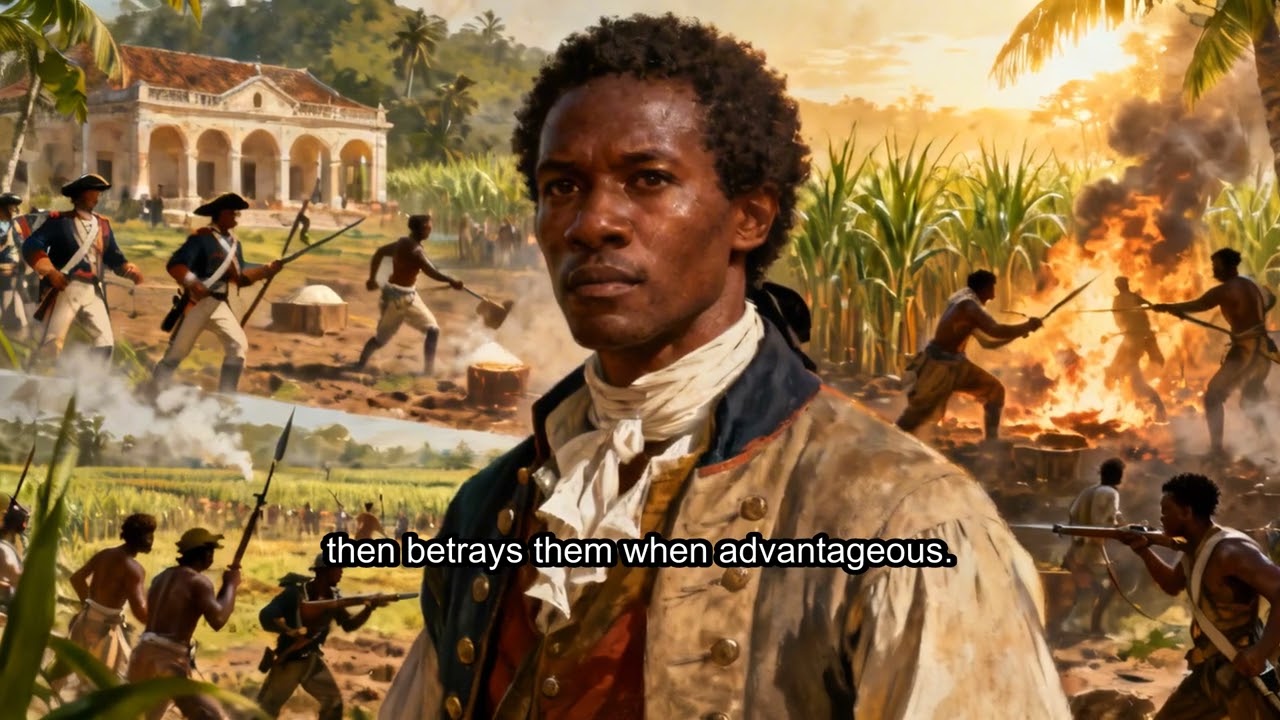
Haiti: The Impossible Revolution 27 min The ONLY successful slave rebellion in all of human history.
·
Algeria: The 8-Year War That Broke France 18 min For 132 years, France claimed Algeria wasn't a colony—it WAS France. But on November 1, 1954, Algerian revolutionaries launched a guerrilla war that would last 8 brutal years, cost 1.5 million lives, and break French colonial power forever.
4
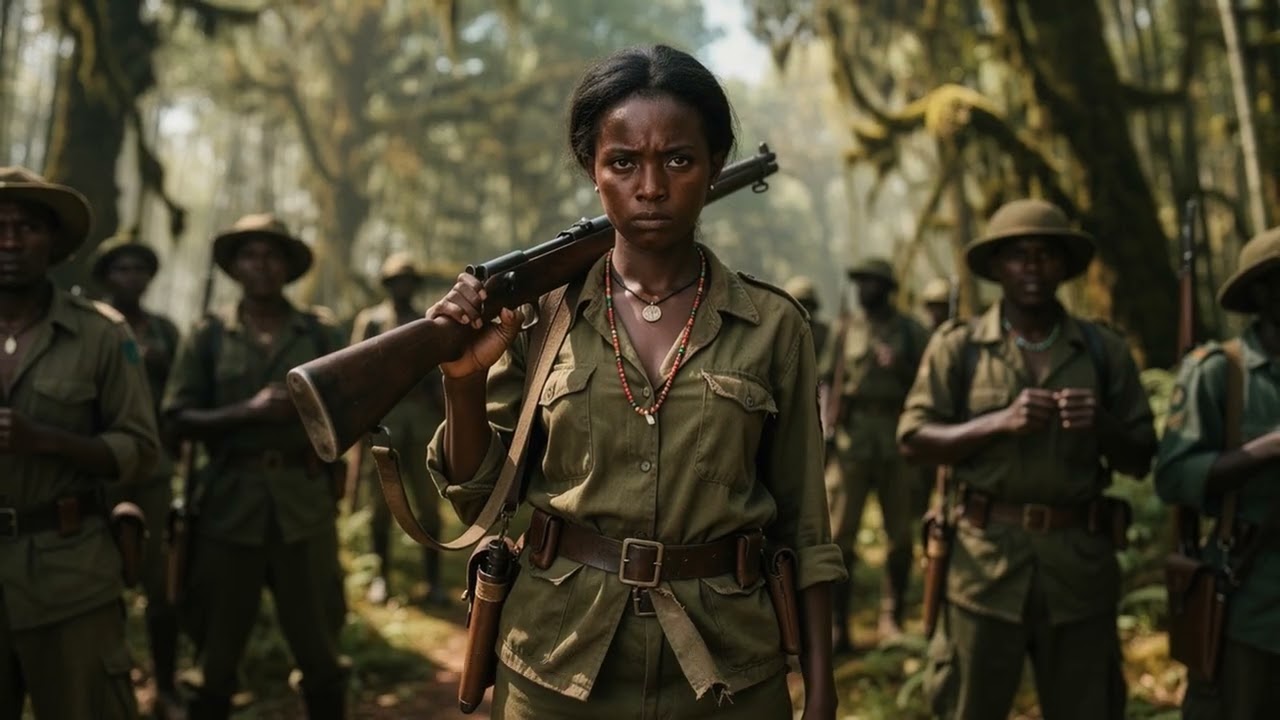
4. The Mau Mau Uprising Britain Tried to Erase13 min The Independence Files: Episode 4 — The Mau Mau Uprising Britain Tried to Erase
5
5. How Ghana Became Africa's First Free Nation15 min From colonial exploitation to the midnight cry of freedom — this is the complete story of how Ghana became the first sub-Saharan African nation to break free from colonial rule.
6
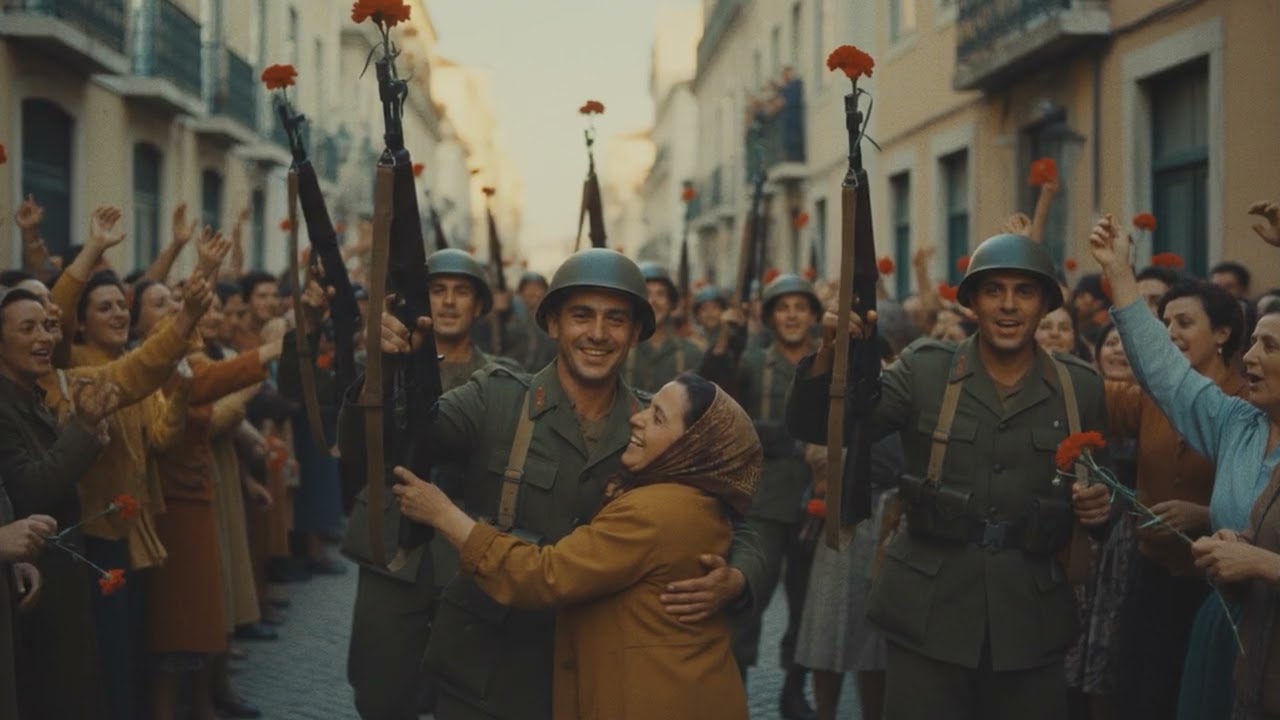
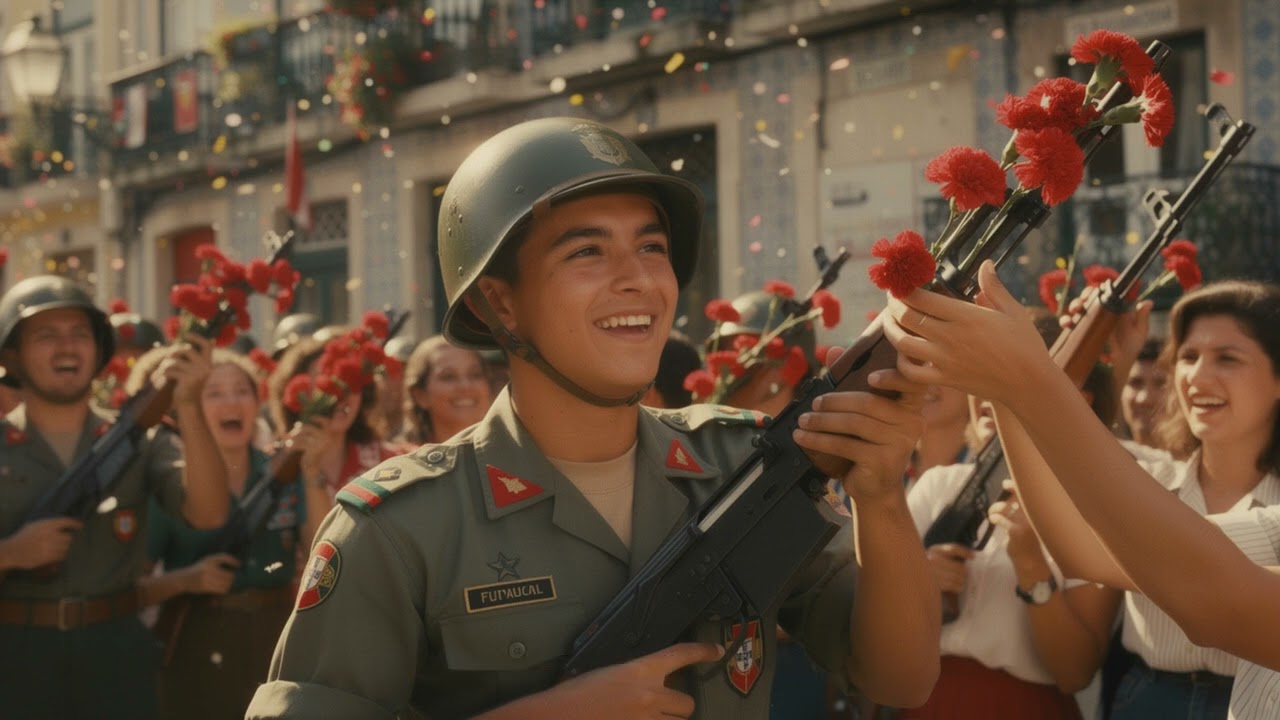
6. The Philosopher Who Beat Portugal15 min How an agronomist from Guinea-Bissau became the most brilliant revolutionary strategist in African history — and defeated the Portuguese Empire.
7
7. How FRELIMO Defeated Portugal: Samora Machel's People's War16 min How did a nurse with a fourth-grade education defeat one of Europe's oldest empires?
8
8. Three Men Declared Themselves President on the Same Night16 min On November 11, 1975, Angola gained independence at midnight. But instead of celebration, three different leaders — Agostinho Neto, Jonas Savimbi, and Holden Roberto — each declared themselves president from three different cities. What followed was one of the Cold War's bloodiest proxy wars, lastin
9
9. 27 Years in Prison: The Nelson Mandela Story15 min Now playing
27 years in prison. One man's refusal to break. The story of how Nelson Mandela and the fight against apartheid changed not just South Africa — but the entire world.