Cultural Context
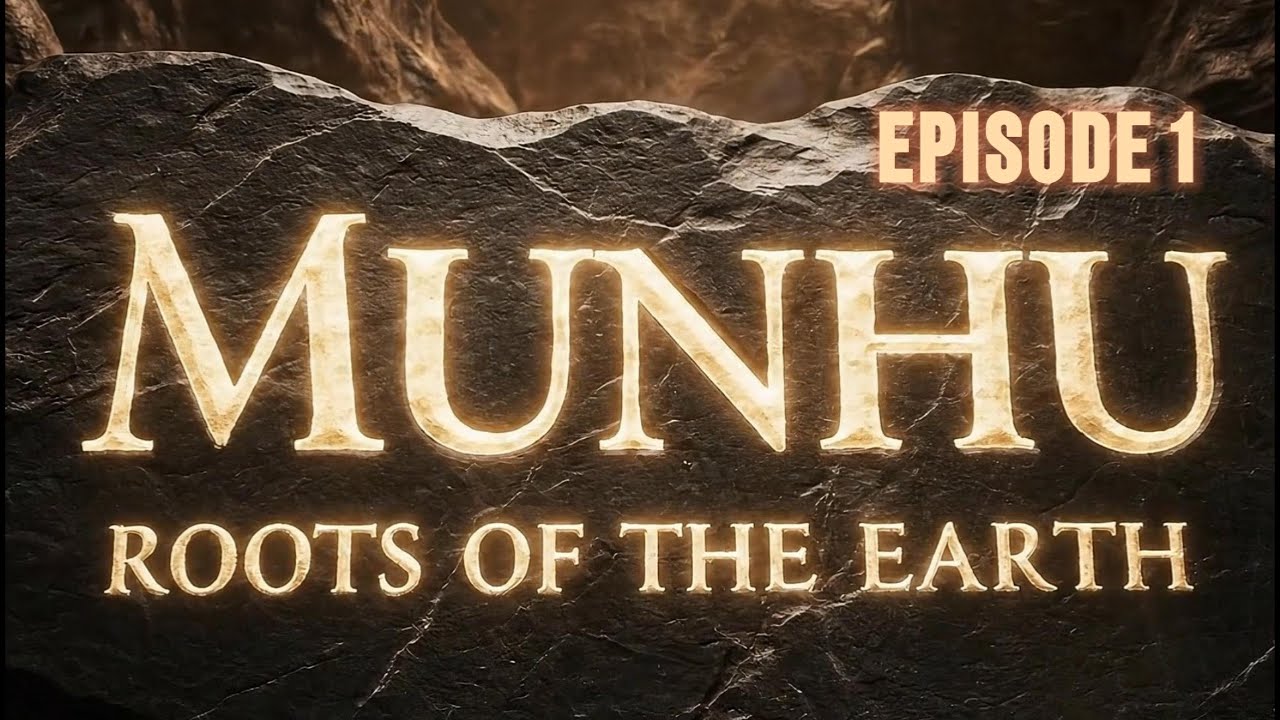
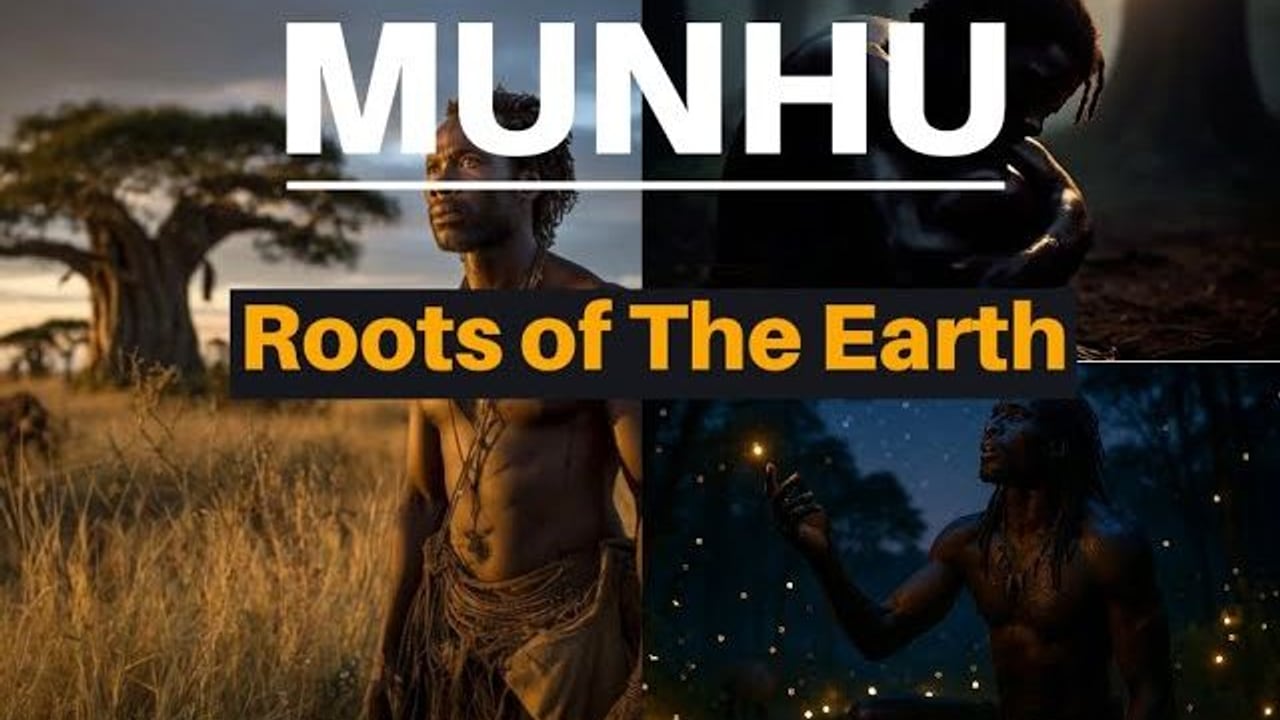
Among the Shona peoples of Zimbabwe and surrounding regions, Munhu describes far more than a biological human being. It names a moral and spiritual achievement — the state of becoming fully human through relationship. A newborn is not automatically munhu in the fullest sense; personhood is something grown into through connection to family, ancestors, and community. This idea sits close to the wider southern African philosophy often called Ubuntu, expressed in the Shona phrase munhu munhu nokuda kwavanhu — a person is a person because of other people.
This is not an abstract saying reserved for elders' speeches. It shapes everyday Shona life: how disputes are settled, how strangers are welcomed, how children are raised to see their worth as bound up with the wellbeing of others. The fable of Munhu's first breath dramatizes the philosophical claim at the root of this worldview — that to be human is to be born already in relationship with the earth, the universe, and those who came before.
Historical Background
Shona oral tradition has carried creation narratives like this one across generations through storytelling, song, and ceremony rather than written scripture. Long before European contact and colonial disruption, Shona communities organized complex societies — including the stone-walled city of Great Zimbabwe — around cosmologies that linked land, ancestors, and living people into a single moral order.
Stories describing a "first breath" and a simultaneous "first death" reflect a common feature of Shona thought: birth and mortality are treated as two faces of the same entry into the world. To take a first breath is to accept a first death — every person is born already walking toward the ancestral realm, and that realm is understood not as an ending but as a continuing form of presence and guidance.
Colonial-era missionaries and administrators frequently misread such narratives as "primitive myth," but within Shona communities these stories functioned — and still function — as living philosophy, teaching each generation how to understand its obligations to land, kin, and spirit.
The Story Behind It
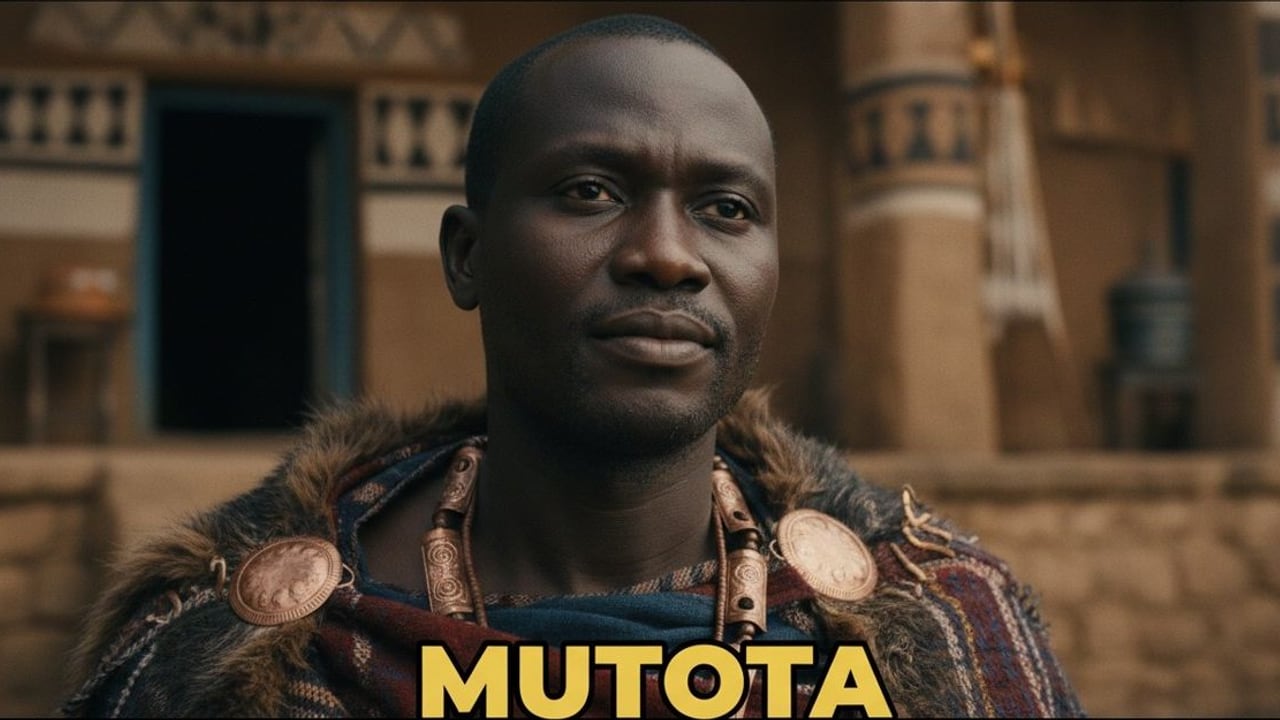
In this fable, Munhu — whose name simply means "person" — emerges from the earth itself. The ground cracks, a rhythm rises from the deep, and the wind carries "ancient names carved in stone by time's wild flames." This is Munhu's first breath: the moment consciousness enters the world. But the story insists this same moment is also a first death — the individual's separation from the undivided earth that made him, and his passing beyond it into a life bound to others.
The drums that "thunder through my veins" evoke the heartbeat linking Munhu to ancestral rhythm; resilience is described as growing "in the pouring rain,” suggesting that hardship is not opposed to life but woven into it. The soil is said to hold "stories of the past," reinforcing that land itself is a living archive of ancestral memory, not simply a resource.
Crucially, the narrative frames Munhu's identity as incomplete without others — the roots that "sing," the shadow that "cries like wounded skies," and the forest that "never dies" all suggest a community of living and non-living participants sustaining one person's existence. Munhu does not become fully human alone; his breath is entangled with earth, ancestors, and the ongoing promise that "this will last" — a vow of continuity carried by descendants yet to come.