Cultural Context
Nzinga Mbande ruled among the Mbundu peoples of Ndongo and, later, Matamba, in the region that is now Angola. This was a political landscape built on the Kimbundu concept of kingship as something earned and defended through relationship — with ancestors, with councils, with rival lineages — not simply inherited and left untouched. Long before Portuguese ships anchored at the mouth of the Kwanza River, Mbundu rulers were skilled diplomats and military strategists, and women in Mbundu society could and did hold real political and spiritual authority, including as advisers, envoys, and sovereigns in their own right.
The oral memory of Nzinga in Angola today is not a fossil. It is living civic culture — invoked in naming, in statues, in political rhetoric, in the way Angolans talk about resilience under pressure. Treating her only as a distant historical curiosity misses how present she remains in Angolan identity as a symbol of a sovereignty that refused to be handed over quietly.
Historical Background
By the early 1600s, the Kwanza River valley had become the frontline of a fort economy: Portuguese trading posts at Luanda that treated villages inland as inventory. Slave raiding was not incidental to contact between Mbundu polities and Portugal — it was the system itself, feeding ships, markets, and garrisons that depended on a constant supply of captives.
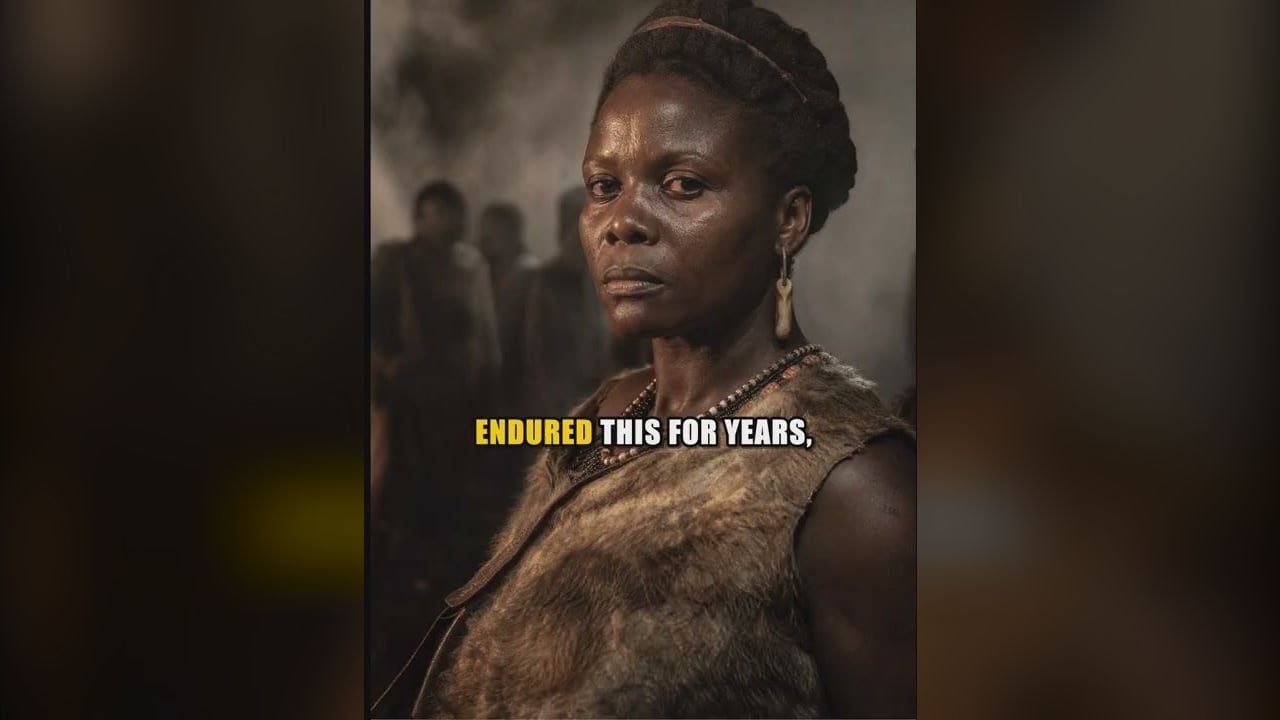
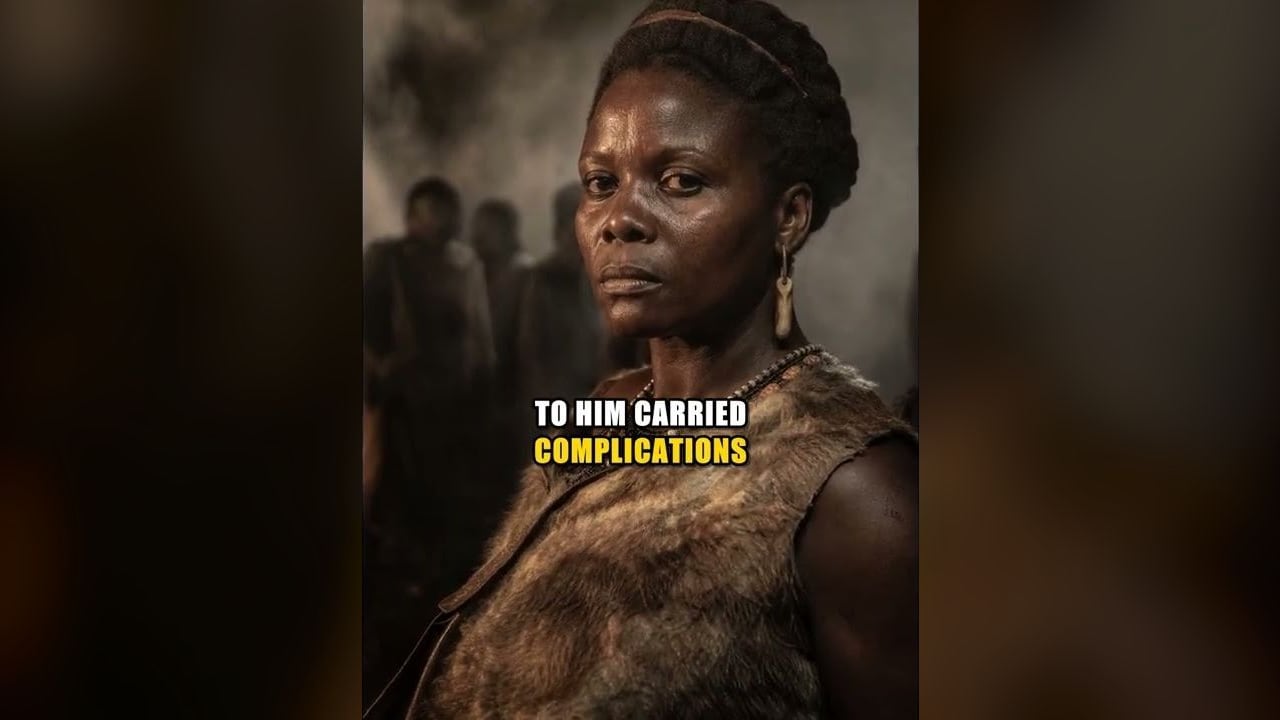
Nzinga first entered this world not as queen but as envoy and military commander for her brother, Ngola Mbande, who held the throne of Ndongo. In that role she learned to read Portuguese governors the way a general reads terrain — where pride sat, where fear hid, where a signature could cost a kingdom its people. That education shaped everything that followed.
When her brother died around 1624 — accounts differ on whether by suicide or other causes, and historians treat the details as contested — Nzinga took power not as a caretaker but as a sovereign already under siege. Portugal never stopped raiding, never stopped pressing, and she inherited a kingdom mid-crisis rather than at peace.
The Story Behind It
In 1621, Nzinga walked into Luanda as a negotiator representing her brother's court and left having made herself a problem Portugal could not solve. Tradition — recorded later by the Capuchin friar Cavazzi — holds that she refused a floor seat while Portuguese officers sat on chairs, and instead had one of her attendants kneel to serve as her chair. Historians treat that scene carefully, since it was written down well after the fact, but the underlying truth it points to is not in dispute: she refused the grammar of submission from the very first meeting.
In 1622, she was baptized Anna de Sousa, with the Portuguese governor standing as her godfather. It looked like conversion. It functioned like theater. The raids did not stop — baptism protected no compound, freed no captive. Nzinga absorbed the lesson permanently: faith and treaty-language were tools to be used strategically, never surrendered for free again.
Around 1631, facing a Portuguese-backed rival installed on Ndongo's throne, she seized the neighboring kingdom of Matamba — denser forest, higher ground, harder to starve out. From that fortress base she spent decades rebuilding logistics and alliances, including hard, controversial bargains with Imbangala war-captains, mercenary forces whose brutal reputation troubles historians but whose military strength kept her people from being funneled wholesale into the Atlantic trade.
In the 1640s she allied with the Dutch West India Company against Portugal, coordinating African command alongside European ships in a joint war that briefly tilted the coastal balance of power. When the Dutch withdrew in 1648, she did not freeze — she adapted again, as she had after every previous reversal. In 1656, in her seventies, she signed a peace treaty with Portugal that restored her recognition and territory. It was negotiation, not submission — an aging sovereign still treating ink as a battlefield. She died in 1663 at about eighty years old, having met forty years of shifting Portuguese strategy — military, religious, diplomatic — with a countermove every time. Zero surrender.
Diaspora Connections
Nzinga's story crossed the Atlantic with the very trade she resisted. Enslaved Mbundu and neighboring Central African peoples carried her memory into Brazil, where Congada and Reinado festival traditions — communities that crown their own Black kings and queens in processions — draw on lineages of memory connected to Angolan royal resistance. In Brazil and across the wider Black Atlantic, Nzinga is invoked as an ancestral figure of unbroken sovereignty, a counter-narrative to the idea that enslavement erased African political identity. Her name persists in Afro-Brazilian religious and cultural practice as a symbol of a queenship that colonization could pressure but never fully extinguish.