Cultural Context
The Batlokwa are a Sotho-Tswana people whose history is woven into the highveld and surrounding regions of southern Africa. Like many Sotho-Tswana polities, Batlokwa political life recognized that leadership could pass through a regency — a trusted figure governing on behalf of a young heir until he came of age. This was not an exception bent to accommodate a crisis; it was a known and accepted structure within the broader tradition of chieftainship.
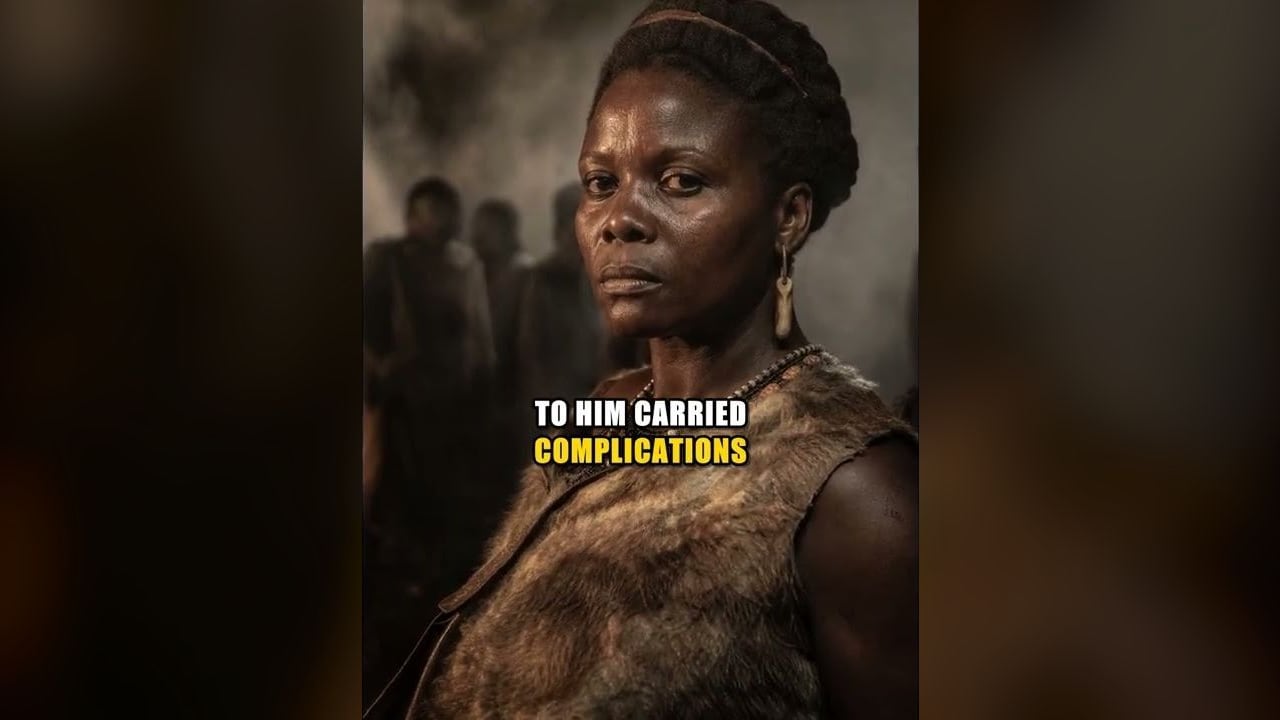
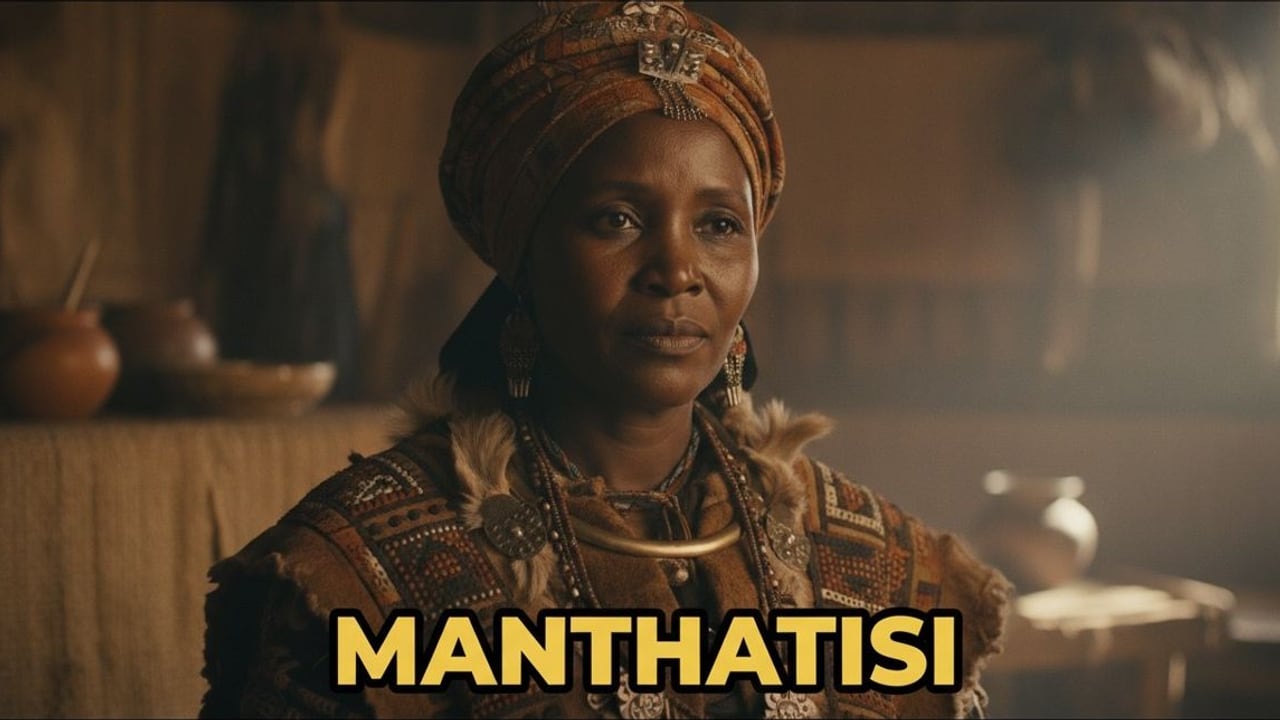
What makes Manthatisi's story resonate so strongly in oral tradition is not simply that she became regent, but how she carried that role. Among the Batlokwa and neighboring peoples, accounts of her leadership were passed down by those who lived through the upheavals she navigated, and her name became attached to a particular kind of memory: one of a woman commanding respect in military and political councils typically dominated by men. Oral tradition keeps this memory alive not as a curiosity but as a living testament to what Batlokwa leadership could look like under pressure.
Historical Background
Manthatisi's regency unfolded during the Mfecane (also called Difaqane in Sesotho), a period of widespread upheaval across southern Africa in the early nineteenth century. Triggered by a combination of factors — including drought, competition for grazing land, and the expansion of the Zulu kingdom under Shaka — the Mfecane set off waves of displacement, conflict, and reorganization among peoples across the highveld.
When her husband, Kgosi Mokotjo, died, Manthatisi became regent for their young son, Sekonyela, who was not yet old enough to assume the chieftainship. She inherited leadership of the Batlokwa precisely as the chaos of the Mfecane intensified, with groups of displaced peoples moving through Batlokwa territory, sometimes violently, in search of land and security.
Under her regency, the Batlokwa did not merely endure — they moved, regrouped, and fought to protect their people, relocating across considerable distances in southern Africa as the pressures of the era demanded. Manthatisi is remembered as a central strategist in these movements, making decisions about when to engage militarily and when to withdraw, holding together a people whose survival depended on cohesive leadership at a moment when fragmentation would have meant disaster. Some colonial-era European accounts exaggerated or distorted her story, attributing to her almost mythic proportions of conquest; what oral tradition and more careful history affirm is that she was a real, capable leader whose decisions shaped the fate of the Batlokwa through one of the region's hardest periods.
The Story Behind It
The oral tradition surrounding Manthatisi centers on her composure and decisiveness in moments when the Batlokwa faced existential threats. She is remembered not for seeking conflict, but for being equal to it when it arrived — organizing her people's defense, negotiating movement through contested territory, and keeping the line of succession intact so that her son Sekonyela could eventually take his place as chief.
Stories told about her emphasize a particular kind of authority: one earned through results rather than claimed through title alone. In a period when alliances shifted quickly and many chiefdoms collapsed or were absorbed by stronger neighbors, the Batlokwa's continuity under Manthatisi stood out. Her name eventually became so associated with the migrations of this era that some European travelers' accounts mistakenly folded other groups' movements into her legend, inflating her reputation into something closer to myth. Batlokwa oral tradition, by contrast, keeps her story grounded — she is remembered as a mother protecting a people, a regent fulfilling a duty, and a leader whose judgment was trusted in councils of war and peace alike.