Cultural Context
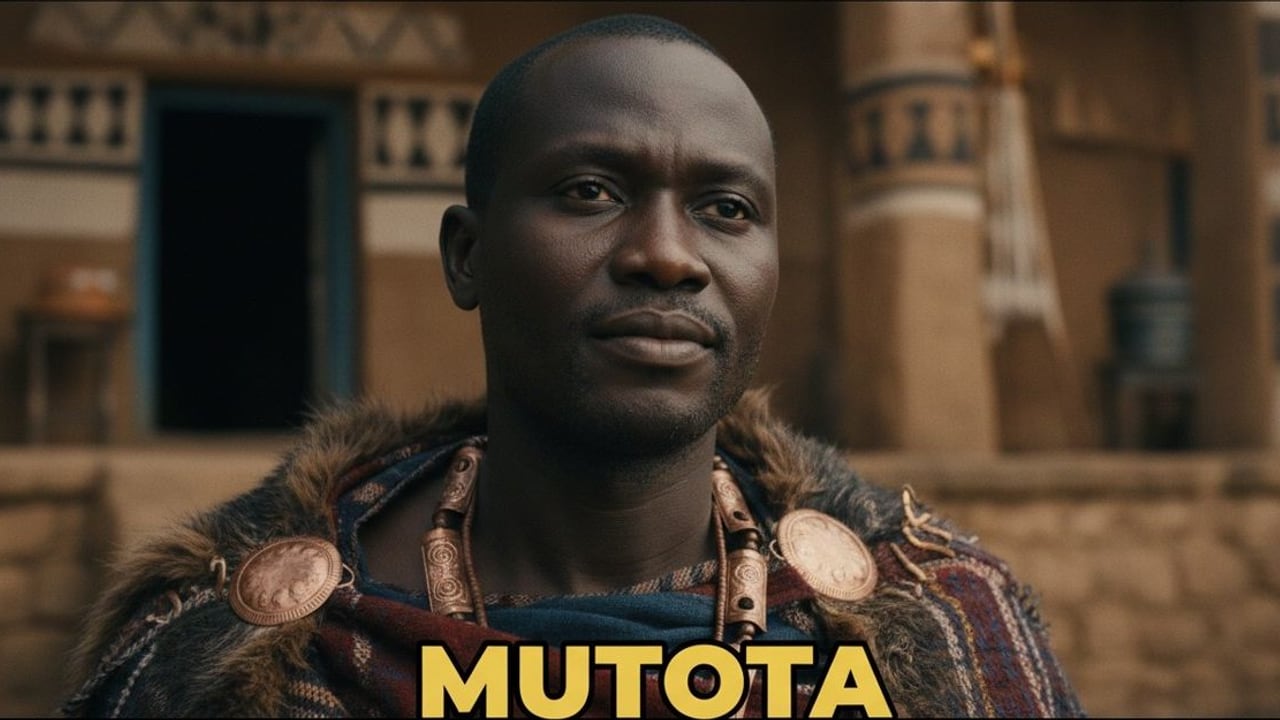
Among the Shona and Karanga peoples of the Zimbabwe plateau, oral tradition carries the memory of political founding the way written charters do elsewhere — not as dusty record-keeping, but as living civic knowledge, recited to explain how land, title, and authority came to be arranged. Nyatsimba Mutota belongs to this tradition. He is remembered as the founder-figure who carried the plateau's political seriousness northward toward the Zambezi Valley, and his story is still told as part of Shona historical consciousness, not as a relic frozen in the past.
It matters that this tradition keeps two separate inheritances distinct: the dry-stone building culture of the plateau, and the office of Mwene Mutapa ("Lord of the Mined Lands") that Mutota is said to have carried into new territory. Collapsing those two things into a single founding genius flattens centuries of Shona and Karanga achievement into one convenient story — exactly the kind of simplification oral tradition, told carefully, resists.
Historical Background
Great Zimbabwe's dry-stone walls — built without mortar, anchored by the famous conical tower — date to roughly the 11th through 15th centuries, a plateau civilization confirmed by archaeology to have mined, traded, and built at genuine scale. This is settled: African masonry, African engineering, no outside builders required.
Oral tradition places Mutota's northward expansion around 1430 to 1450 — after Great Zimbabwe's stone capital was already standing, already aging, possibly already in decline as a political center. The sequence historians hold onto is: Great Zimbabwe first, Mutapa after. Mutota did not inherit an empty plateau; he inherited a world that already knew how to cut granite and move gold, and he turned that inheritance toward a new direction — north, toward salt routes, river valleys, and eventually the Indian Ocean trade that Swahili coast merchants and, later, Portuguese traders were eager to reach.
The title he is said to have carried, Mwene Mutapa, became an office rather than a personal name — passed to his son Mutope and successors, who continued the expansion. When Portuguese traders and chroniclers reached the Zambezi corridor in the following century, they recorded this office as "Monomotapa," and it entered European maps and documents as the name of an empire. The title was African statecraft first; the Portuguese spelling came later, and only because there was already a functioning polity worth negotiating with.
The Story Behind It
The tradition's geography is the argument. Mutota leads his people down from the cooler granite highlands of the plateau into the hotter Zambezi lowlands — a march oral tradition frames not as retreat but as strategy. Salt, gold, and access to coastal cloth trade sat along that corridor, and a leader who controlled the route controlled the wealth moving through it.
This is why the story insists Mutota did not need to build a second Great Zimbabwe to matter. What he needed, the tradition says, was a corridor, a title, and followers willing to treat the escarpment as a highway rather than a wall. The stone capital on the plateau was already there, already impressive, already a known commercial center — his contribution was political and logistical, not architectural.
When his son Mtope reportedly continued the expansion after Mutota's death around 1450, the pattern the tradition preserves is one of a founding figure as hinge — the named point where plateau power pivoted toward a Zambezi-facing empire. That empire is the one Portuguese captains eventually had to negotiate with, decades later, inheriting an office whose name they had not invented and whose authority predated their arrival entirely.