Cultural Context
Among the Zulu peoples, mourning has never been a private matter reserved for family. It is a communal obligation, and the intensity of that obligation scales with the status of the person who has died. A homestead mourns its own dead through set periods of restraint — no beer brewed, no celebrations held, certain foods avoided. When the person who dies holds royal standing, that restraint radiates outward across the entire kingdom, because the Zulu state understood the monarch's household as an extension of the nation's own body.
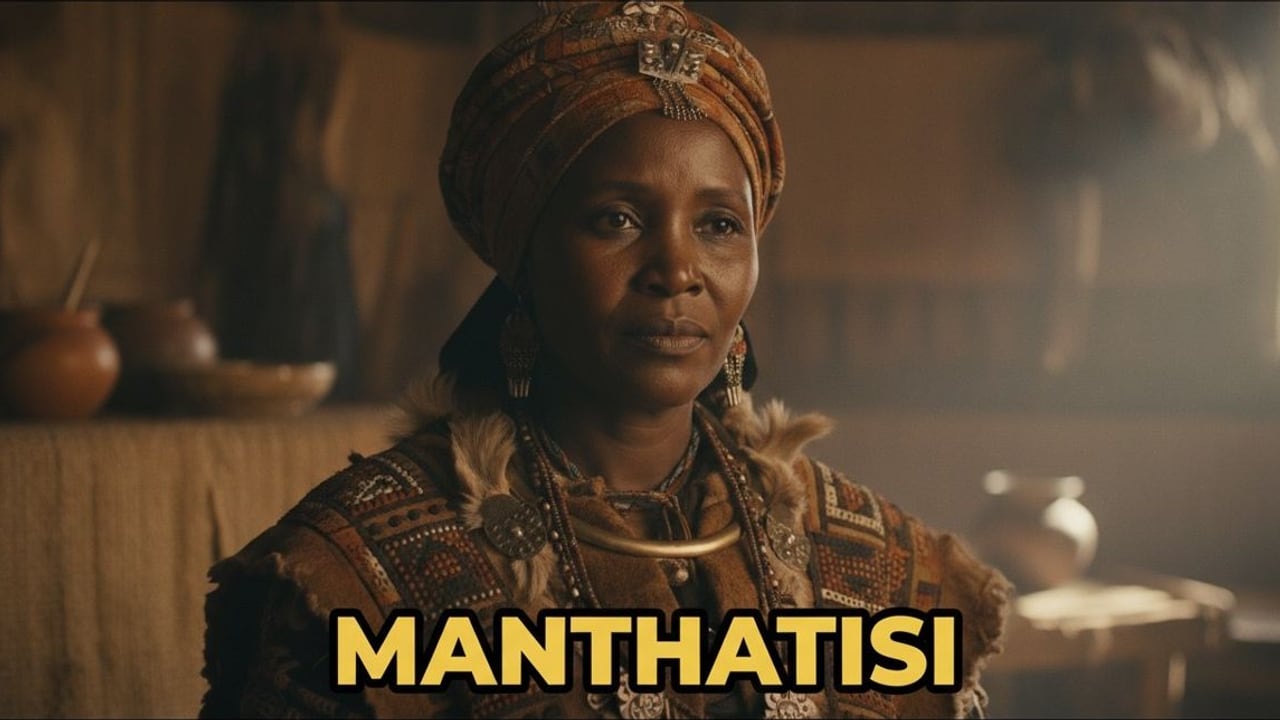
The title Ndlovukazi — Great She-Elephant — was not decorative. It marked a woman as the highest-ranking female figure in the land, someone whose wellbeing was treated as bound up with the health of the kingdom itself. To hold that title was to be woven into the spiritual and political fabric of Zulu rule, not simply honored from a distance. When a Ndlovukazi died, the expectation was not polite condolence. It was collective, visible, costly grief — because her death was understood as a rupture in the kingdom's own foundation, not just a loss to one household.
Historical Background
Nandi's path to the title of Great She-Elephant began nowhere near power. She became pregnant by Senzangakhona kaJama, a chief among the Zulu, under circumstances that violated the customs governing courtship at the time. Senzangakhona rejected her, and Nandi was sent away with her infant son to live among unwelcoming relatives, moving from homestead to homestead in a childhood marked by exclusion rather than privilege. Shaka grew up inside that exile, and the humiliation his mother endured on his behalf was not something he treated as background noise once he held power.
When Shaka rose to lead the Zulu kingdom in the early 1800s, building it into a formidable regional power through reorganized military structure and centralized authority, Nandi's status was transformed accordingly. She was granted cattle, attendants, and territory, and recognized formally as Ndlovukazi. This was not sentimental generosity. It was the correction of a specific historical injustice, restaged in the language of Zulu statecraft — the woman once expelled was now formally central to the kingdom's identity.
Alongside this, Shaka's court operated within a spiritual framework managed by izinyanga and izangoma, ritual specialists and diviners whose interpretations of illness, threat, and unseen forces carried real authority alongside military and political power. This is the world into which Nandi's death arrived in 1827 — a kingdom where royal status, spiritual meaning, and political order were never fully separable.
The Story Behind It
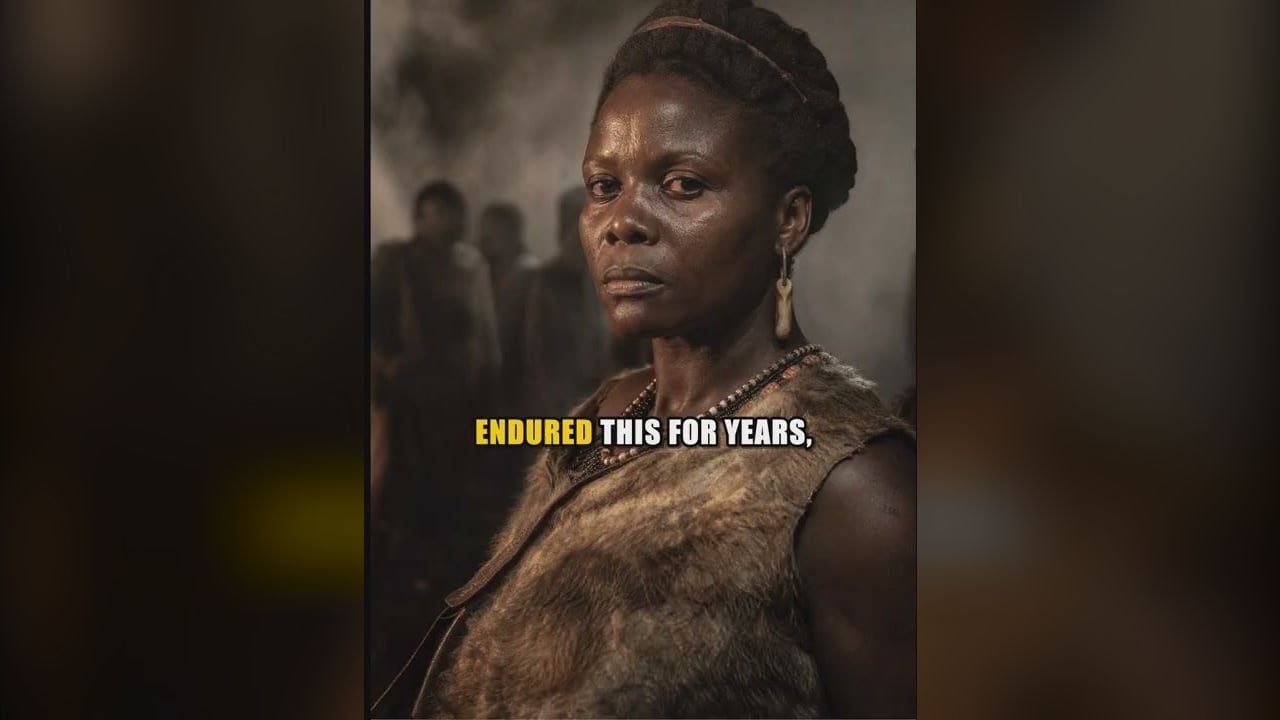
When Nandi died in the autumn of 1827, the wailing began at dawn and continued for a month. Fires went unlit. Crops went unplanted. Milk was not drawn from the cattle. Shaka did not simply grieve — he commanded the entire kingdom to grieve with him, and the sincerity of that grief was policed. Those judged to be mourning insufficiently were killed.
This was mourning turned into state policy. A kingdom that had organized itself around discipline and forward-driving military purpose was, almost overnight, reorganized around the personal loss of one man. The scale of the response only makes sense against the story of who Nandi had been to Shaka — the mother who kept him through years of exile and rejection, the one proof he had that he had not been entirely abandoned by the world that scorned them both. Her elevation to Ndlovukazi had been Shaka's way of answering that history. Her death removed the one relationship that predated his power entirely.
But a king's grief is never only personal, and this is where the story turns. What looked to Shaka like appropriate honor looked, to those around him, like something closer to fracture. The same intensity that had built the Zulu kingdom — one man's will, operating at a pitch no one else could match — was still present, but it had turned inward, toward his own people, rather than outward, toward conquest. The people closest to that force began, quietly, to calculate. The month of forced mourning did not just honor Nandi. It exposed the seams in Shaka's rule, and those seams would not close again.