Cultural Context
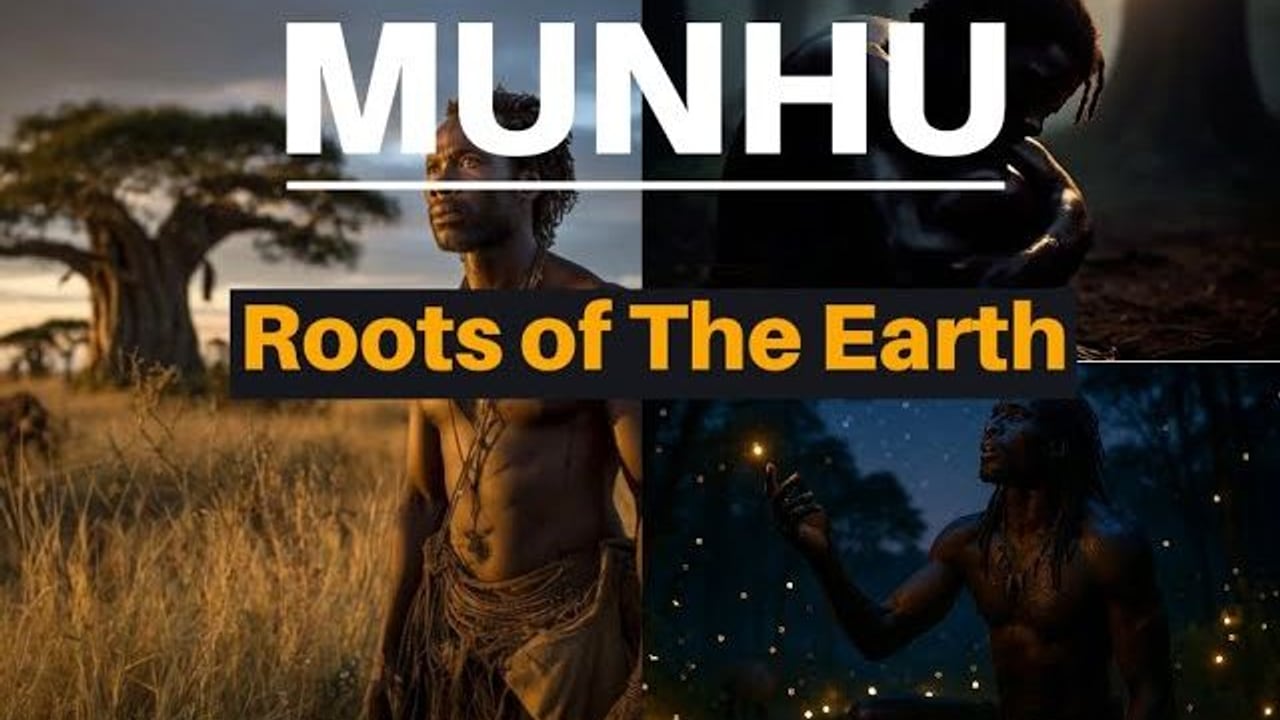
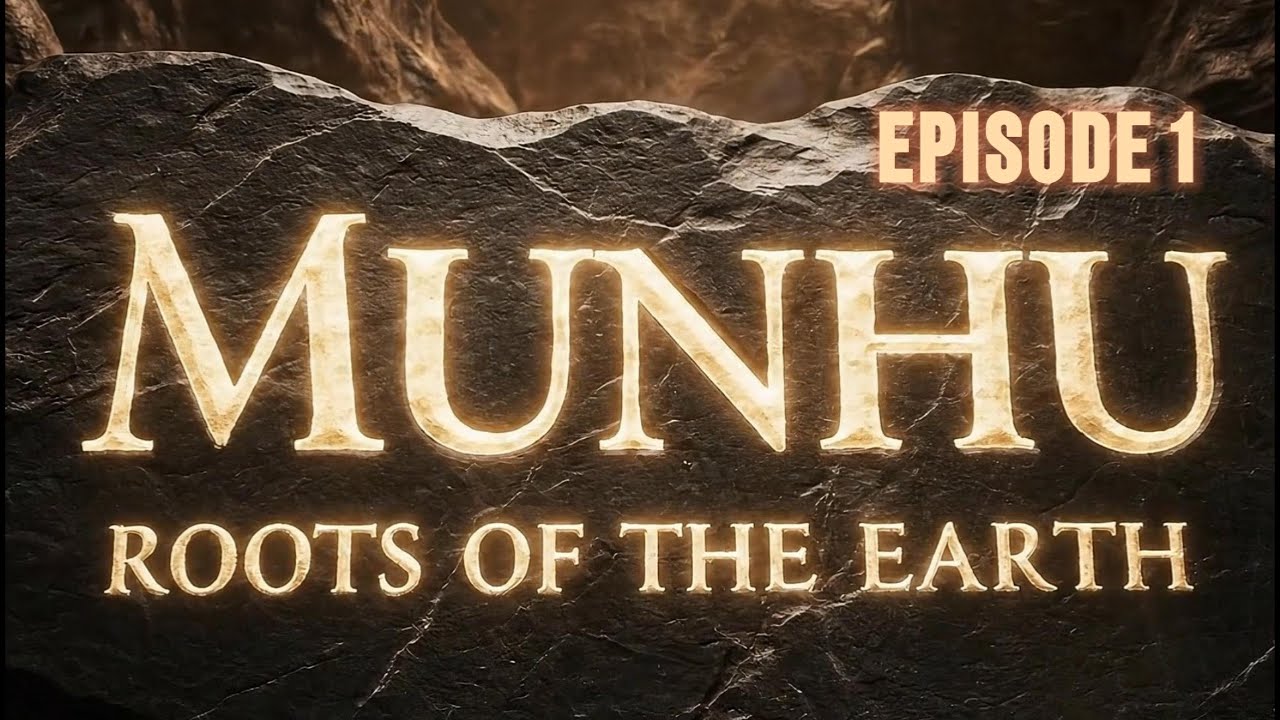
Among the Shona peoples of Zimbabwe, storytelling has never been a passive act of remembering the past — it is a living practice through which each generation renews its understanding of who they are and how they belong to the land. "Munhu Episode 1: The World Unfolds" sits within this tradition, using the figure of Munhu (a Shona word meaning simply "person" or "human being") to explore the deepest questions of origin: where did the first human come from, and what does it mean to be bound to the earth that produced them?
In Shona cosmology, the land is never an inert backdrop. It is animated, watched over, and shaped by the vadzimu (ancestral spirits) and by Mwari or Musikavanhu, the creator. The imagery of cracked, heat-scorched earth that opens this story is not incidental — dry land in Shona thought often signals a rupture between the human and spiritual realms, a world waiting to be made whole through the emergence of Munhu and the restoration of right relationship with the ancestors.
This is oral tradition as it continues to be told and reimagined today, in homes, at gatherings, and now through new media — not a relic frozen in the past, but a framework still used to make sense of identity, land, and belonging in contemporary Zimbabwe.
Historical Background
Shona cosmological narratives have circulated for centuries across the plateau region of present-day Zimbabwe, carried by sarungano (storytellers) whose role was — and remains — to transmit history, values, and spiritual understanding through performance rather than the written page. Origin stories about the first human were rarely told as isolated myths; they were woven into genealogies, praise poetry, and the ritual language used to address the vadzimu and the guardian spirits, or mhondoro, associated with particular chiefly lineages and territories.
The connection between Munhu and the land carries real historical weight. Shona communities organized their spiritual and political life around sacred sites, rainmaking ceremonies, and ancestral shrines long before European contact, and these practices persisted, adapted, and were suppressed at various points through the colonial period. Stories of the first human emerging from — or being answerable to — the land can be understood as part of this deeper archive: they encode a worldview in which sovereignty over territory is inseparable from spiritual responsibility to it.
That this story is being retold as "Episode 1" of a modern series reflects how Shona oral tradition continues to evolve. Contemporary Zimbabwean storytellers and artists are drawing on cosmological narratives like this one to reconnect audiences, particularly younger generations, with a heritage that colonial education systems often marginalized or ignored.
The Story Behind It
The episode opens on a cracked, sun-hardened earth — a landscape defined by heat and thirst, its brokenness felt underfoot before it is explained. This image sets the emotional register for the whole narrative: the world as it exists before Munhu is incomplete, straining under an absence that only the arrival of humanity can address.
Out of this parched world rises Munhu, the first human, called forward not as a triumphant, ready-made figure but as one born of struggle — the story's own language evokes roots that "sing" even while "defying hope on fragile wings," and a resilience that "grows in the pouring rain." This is a crucial detail for understanding Shona thought: humanity's relationship to the earth is framed as one of mutual need and mutual endurance, not domination. Munhu does not conquer the cracked land; Munhu grows out of it, shaped by the same forces of heat, hardship, and eventual rain that give the land its life.
The rain imagery matters spiritually. In Shona tradition, rain is never merely weather — it is a sign of ancestral favor, often invoked through ceremony and prayer to the vadzimu and to Mwari. A story that moves from cracked, heat-stricken ground toward the promise of rain is, in effect, tracing the arc of restored relationship: between people and land, and between the living and the spirits who watch over them. Munhu's emergence becomes the hinge point where drought turns toward renewal, framing the first human not as an isolated hero but as the necessary link that allows the ancestral and natural worlds to function together again.