Cultural Context
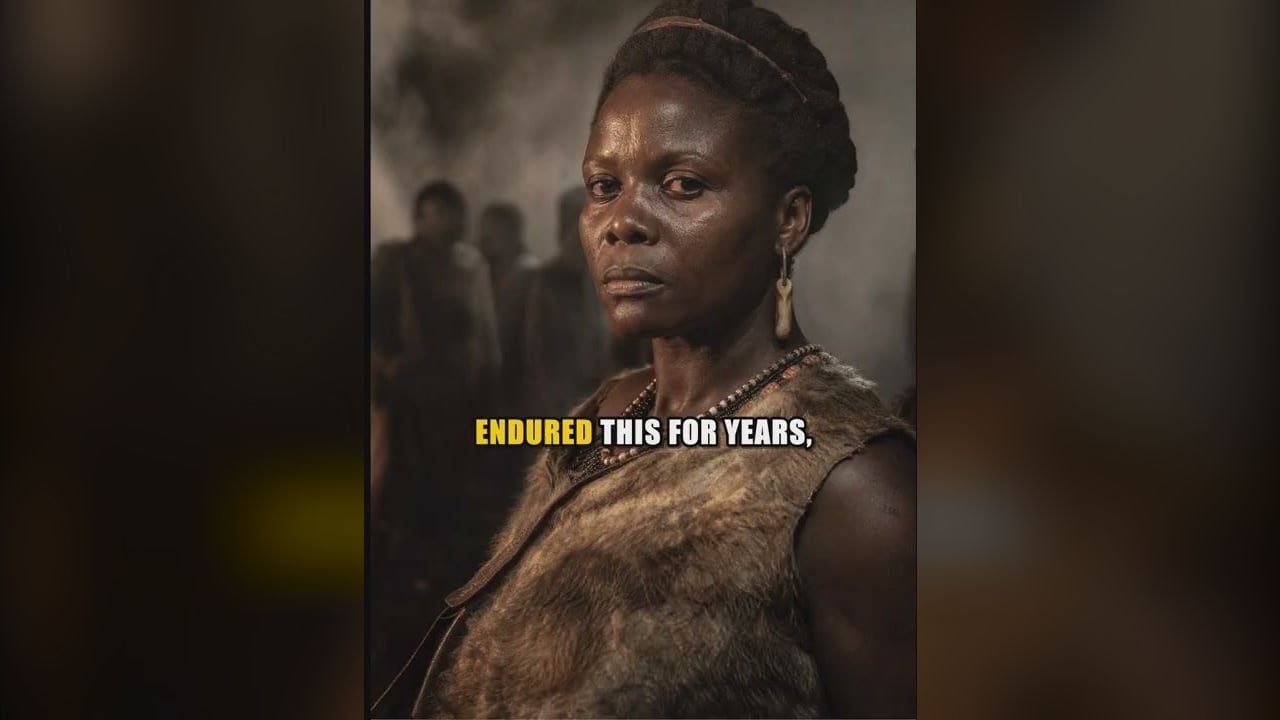
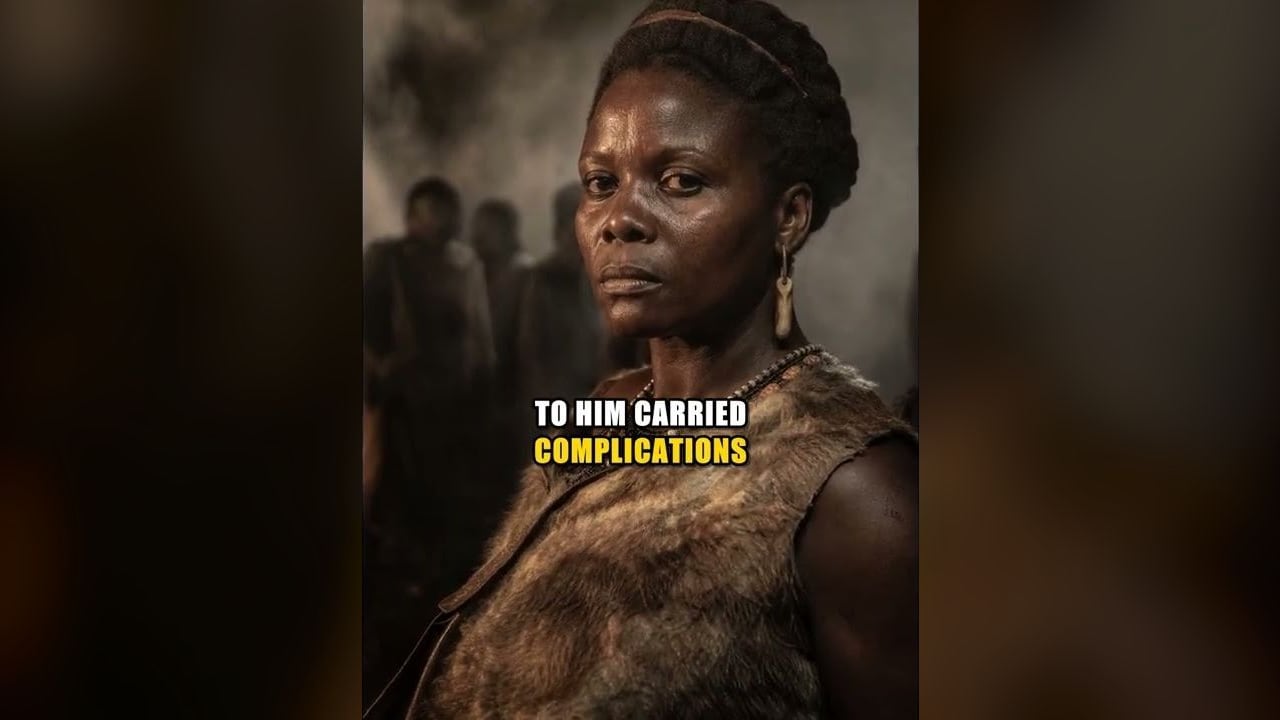
Among the Shona, a svikiro is a spirit medium — a living person who becomes the vessel for an ancestral spirit, or mhondoro, and speaks with that spirit's authority. Nehanda was not one woman but a title and a lineage: an ancestral spirit associated with fertility and the protection of the land, carried forward across generations by successive mediums who took her name and voice.
This mattered enormously in how Shona communities organized authority. A svikiro's word carried weight because it was understood to come from the land itself, through the ancestors who remained bound to it. When the medium known as Nehanda Charwe Nyakasikana spoke in the 1890s, she was not offering opinion or symbolism — she was living authority, and communities scattered across many villages could recognize a single voice speaking through her. This is why oral tradition remembers her not as folklore about the past, but as a record of how spiritual office and political organizing were the same act among the Shona.
Historical Background
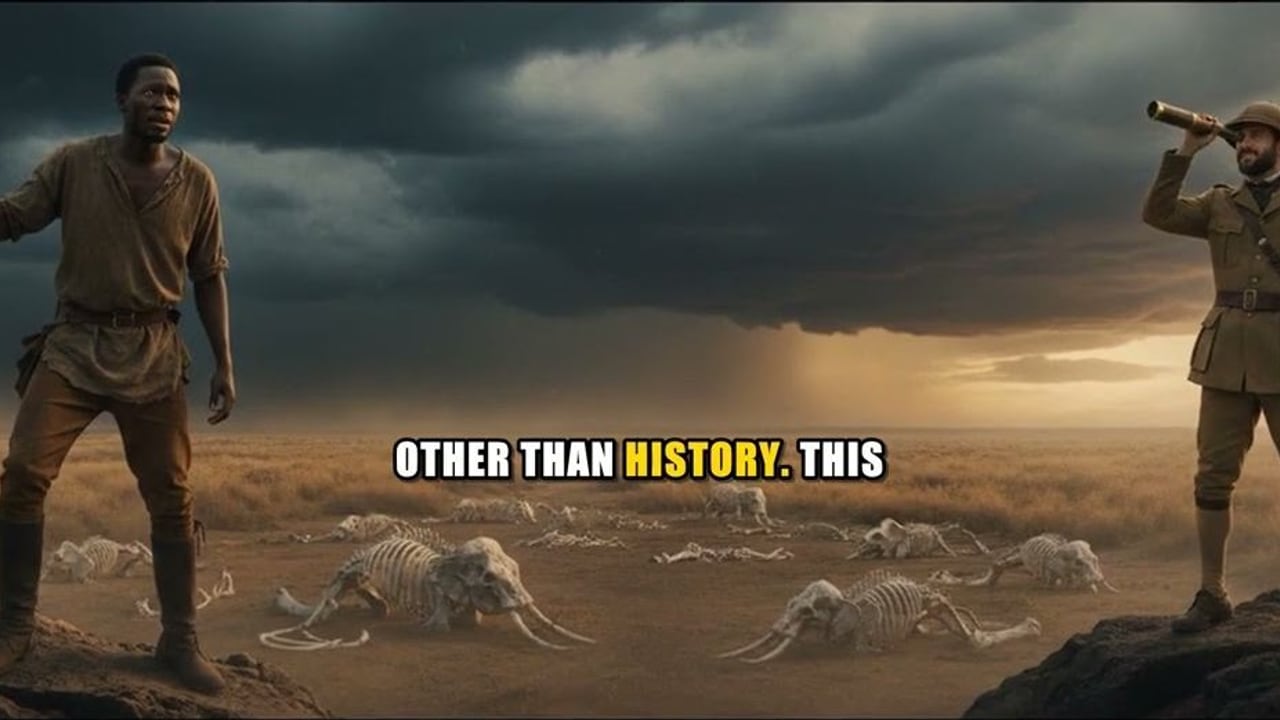
In 1890, Cecil Rhodes's British South Africa Company occupied Mashonaland, a plateau of granite kopjes and red laterite soil that the company treated as empty land waiting for a signature from London. It was nothing of the sort — it was inhabited land with names, graves, and ancestors older than any charter. The company seized cattle, forced labor, and extracted taxes at gunpoint.
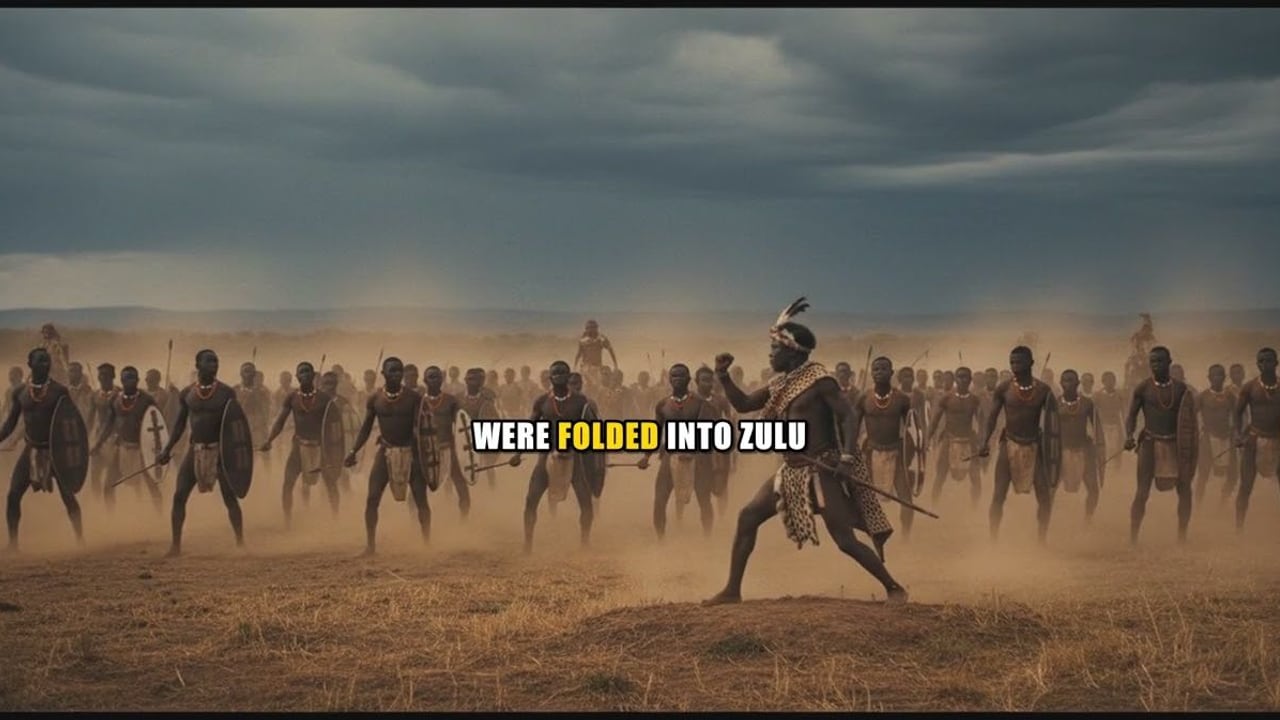
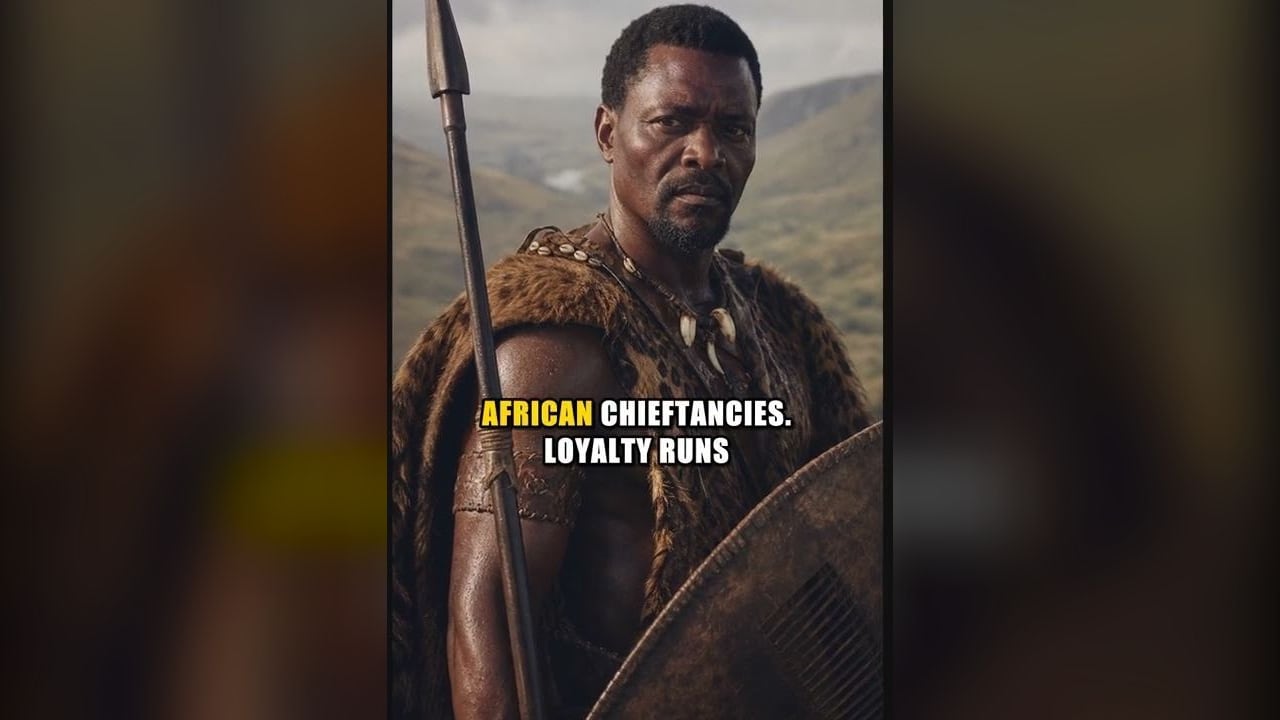
By 1896, drought, cattle plague, forced labor, and land theft had stacked into unbearable pressure, and the Shona and Ndebele peoples rose together in what is remembered as the First Chimurenga — the first war of resistance against company rule. Nehanda's spiritual legitimacy helped organize what weapons alone could not: it turned scattered, aggrieved villages into a coordinated resistance built on the shared belief that the ancestors had not abandoned them.
Colonial records held her responsible for the killing of a company tax collector, Henry Hawkins Pollard. Whether she personally ordered it remains contested by historians, but the contested edges don't erase the core fact: colonial authorities treated her as a leader of armed resistance, which is itself an admission of the power they refused to formally recognize.
She was captured in late 1897 after months of guerrilla pressure and tried in a colonial court built to dress conquest up as law. A priest pressed her toward conversion before her execution — baptism offered as a last administrative convenience. She refused, and that refusal is documented. On 27 April 1898, she was hanged alongside Sekuru Kaguvi, another spirit medium and resistance leader. Two mediums executed together was not incidental — it was a deliberate lesson: kill the spirits, keep the land.
The Story Behind It
Oral tradition holds that at the moment of her execution, Nehanda spoke words that have outlasted the rope: my bones will rise. No verbatim transcript of this sits in British colonial paperwork — the empire's own records were never built to preserve the words of the people it hanged. Shona memory kept the line instead, and in doing so, memory became strategy.
Seventy-five years later, during Zimbabwe's 1970s liberation war, ZANLA fighters invoked Nehanda's prophecy before going into battle. This is a confirmed historical invocation, not a romantic embellishment added afterward — guerrilla fighters drew directly on her words and her memory to frame their own struggle as continuous with hers. When independence came in 1980, it was framed culturally as the moment her bones kept their appointment, a prophecy fulfilled across three generations.
This is the deeper meaning of the story: spiritual authority among the Shona was never a soft or secondary form of power once empire arrived. A svikiro could authorize war, refuse collaboration on behalf of a whole community, and name what was sacred enough to die defending. Colonial administrators understood this threat clearly — it is why her execution was staged as public political theater as much as punishment. The goal was to silence the land by silencing its medium. It did not work.