Cultural Context
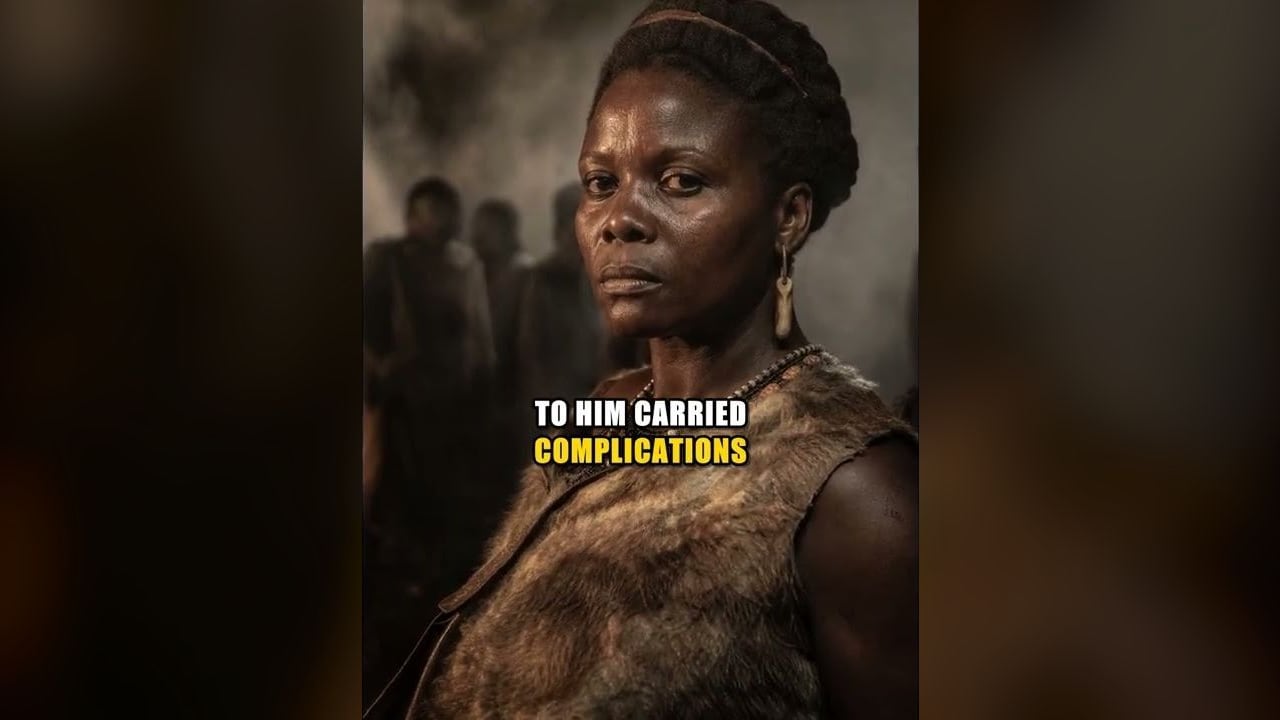
The Nguni-speaking peoples of what is now KwaZulu-Natal—including the Zulu, Mthethwa, Ndwandwe, and Qwabe—were part of a broader Iron Age farming tradition that had taken root in southeastern Africa centuries before Shaka's birth around 1787. These were not isolated bands but organized chiefdoms with established systems of governance, ritual authority, and economic exchange.
Cattle stood at the center of this world. A homestead's herds measured its wealth, but cattle meant far more than material value. They anchored marriage negotiations through lobola, sealed political alliances, and connected the living to ancestral spirits through ritual sacrifice. A chief's authority rested heavily on his ability to control and redistribute cattle to loyal followers, binding young men to him through gifts of livestock rather than through kinship alone.
Homesteads were organized around patrilineal descent, with young men grouped into age-regiments—amabutho—that performed labor, herding, and periodic military service for their chiefdom. This age-regiment system already existed before Shaka; his innovation was not inventing it but reshaping it into something far more centralized and lethal.
Historical Background
By the late 1700s, the region between the Drakensberg mountains and the Indian Ocean held dozens of small Nguni chiefdoms, each ruled by a hereditary chief with authority over a few thousand people at most. These chiefdoms were not static kingdoms locked in ancient tradition—they were dynamic, competitive, and constantly renegotiating power through marriage alliances, cattle raids, and shifting loyalties.
Pressure was building. Population growth in the fertile coastal lowlands, combined with increasing competition for grazing land, pushed chiefdoms into closer and more frequent contact. Larger, more assertive polities began to emerge, particularly the Mthethwa under chief Dingiswayo and the Ndwandwe under chief Zwide. These two powers were locked in a rivalry that would define the regional politics of Shaka's early adulthood, and it was within the Mthethwa sphere—as a protégé and eventually a commander under Dingiswayo—that Shaka first rose to military prominence.
This was the world Shaka was born into: not a power vacuum awaiting a genius, but a competitive landscape of established chiefdoms already experimenting with larger alliances, more organized regiments, and the political uses of cattle wealth. Understanding this context matters because it reframes Shaka's later achievements—he intensified and redirected existing structures rather than inventing Zulu statecraft from nothing.
The Story Behind It
Shaka's own early life reflected the instability and opportunity of this world. Born to Senzangakhona, chief of the relatively minor Zulu chiefdom, and his mother Nandi, Shaka spent much of his youth in exile after his parents' relationship fractured under the weight of clan politics and disapproval. He and Nandi found refuge among the Mthethwa, where Dingiswayo's patronage gave the young Shaka a path to prove himself.
It was here, within the amabutho regiments of a chiefdom already larger and more organized than his own, that Shaka trained as a warrior and began absorbing lessons in command, discipline, and the political value of a loyal fighting force. The oral traditions carried by Zulu izibongo (praise poets) and later recorded by figures like the missionary-era historian A.T. Bryant describe this period as formative—not because Shaka appeared out of nowhere with revolutionary ideas, but because he was positioned at the intersection of Mthethwa military organization and Zulu chiefly ambition.
This first episode's task is to slow down before the famous battles and short spears, and sit with the texture of that earlier world: the cattle byres, the age-regiments doing communal labor, the marriages that were also treaties, and the rival ambitions of Dingiswayo and Zwide circling each other. Shaka's later transformation of Zulu military and political life makes sense only against this backdrop of established Nguni statecraft under pressure.