Cultural Context
In Shona life, the mountains of eastern Zimbabwe — the Nyanga, Vumba, and Chimanimani ranges — are not simply scenery. They are understood as places where the living, the ancestors (vadzimu), and the land itself remain in conversation. Travelers who arrive there, even outsiders, are folded into a code of hospitality that runs deep in Shona custom: a stranger is welcomed, fed, and guided before they are questioned about their purpose.
This story leans on that reality. Two friends arrive seeking something intangible — meaning, transcendence, escape — and are met first with warmth: a greeting of "Welcome, friends. We are honored," and directions offered freely on a lonely road. That hospitality is not a plot device borrowed for effect; it reflects how many rural Shona communities still treat visitors, especially those who come with evident need or hunger for something larger than themselves.
What the friends are actually seeking, however, sits closer to the edge of Shona spiritual practice than to its center. References to a "substance" and a "promise of transcendence" evoke real practices around traditional healers (n'anga) and spiritual specialists who work with plants, ritual, and ancestral consultation — practices that are still very much alive, not archived customs. The story is careful, though, to show two different responses to that world: one friend leans into the ritual and its costs, the other walks away into solitude. Neither is presented as the "authentic" Shona path and the other a betrayal of it; the tradition itself makes room for multiple ways of seeking.
Historical Background
Shona oral tradition has long used journey narratives — a traveler leaving home, meeting a spiritual figure or landscape, and returning changed or not returning at all — to talk about the risks and rewards of seeking power or knowledge outside ordinary channels. These stories are not warnings to stay put; they are meant to be told and retold as communities weigh how much a person should trust in transactional shortcuts to fortune versus long, patient discernment.
Eastern Zimbabwe's mountains carry specific historical weight in this regard. The region has for generations been associated with healers and spirit mediums whose knowledge is passed down within families and communities, often over years of apprenticeship. Colonial-era administrators and missionaries frequently mischaracterized these traditions as superstition to be replaced, a framing that Shona communities have pushed back against for over a century, insisting instead that ancestral consultation and herbal knowledge form a coherent, still-functioning system of meaning-making.
The modern setting of this fable — friends arriving by car, a night of drinking and celebration, a transactional deal struck almost too easily — updates the old cautionary-journey structure for a contemporary audience. It reflects genuine tensions in present-day Zimbabwe, where global travelers, diaspora returnees, and local seekers alike sometimes approach traditional practices as a kind of spiritual tourism, hoping for quick transformation rather than the sustained relationship with ancestors and land that Shona practice actually asks for.
The Story Behind It
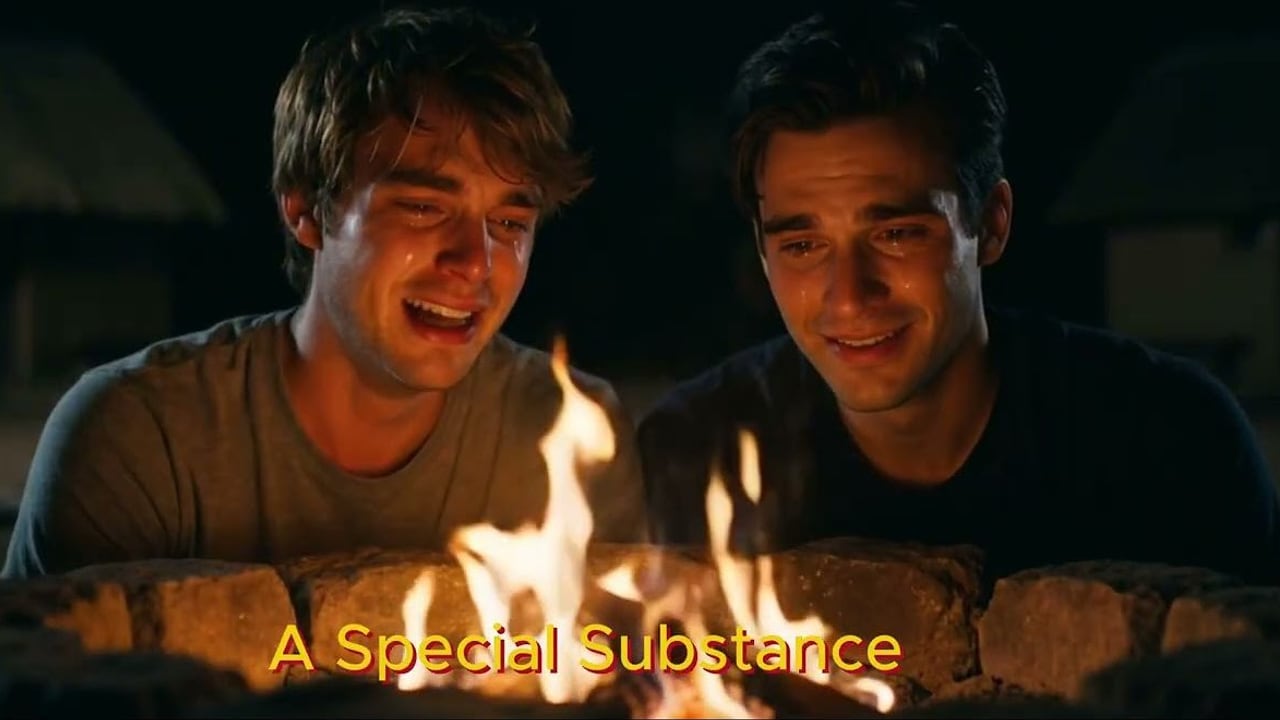
The fable follows two friends whose long journey to Zimbabwe is framed, almost immediately, as more than a vacation: "the real journey was just beginning." They are received with unmistakable warmth — "Welcome, friends, we are honored" — before being led, deeper into the mountains, toward something described only as "a place, a substance, a promise of transcendence."
What follows is a ritual exchange that turns transactional: a price rises, a bargain about prosperity for the land is struck, and the mood shifts from celebration to unease. At the pivotal moment, the two friends make opposite choices. One pleads to be heard — "please just listen to me one more time" — and appears to go further into the ritual's demands. The other walks away, alone, into the wilderness, and there "learned what freedom costs."
The story's closing lines carry its real weight: "We seek what we already have… Two ways out… Neither wrong." This isn't a story that rewards one friend and punishes the other. Instead, it stages two legitimate responses to the same spiritual invitation — surrender to ritual and community bargaining on one hand, solitary reckoning with the self on the other — and refuses to rank them. That refusal is itself very Shona in sensibility: the ancestors, land, and self are all valid places to seek meaning, and different people are called toward each in different measure.