Cultural Context
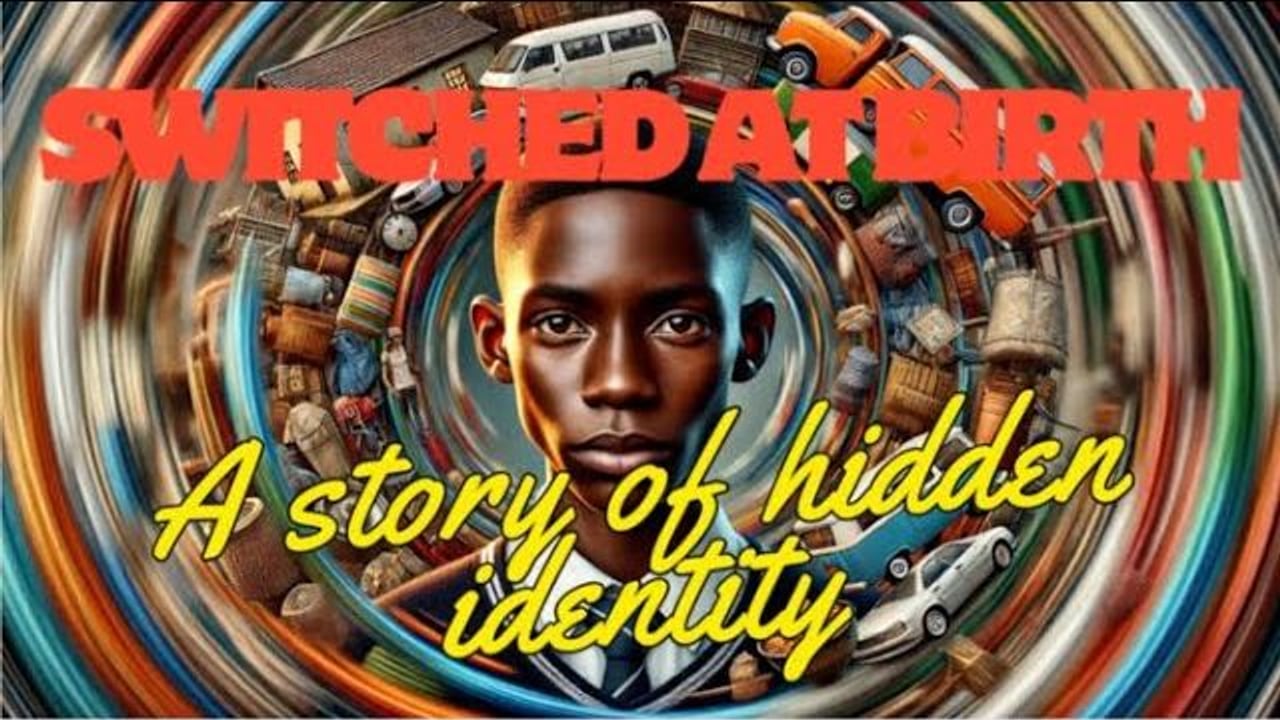
In Shona communities across Zimbabwe, storytelling has never been confined to the fireside. The ngano tradition — tales told to teach, warn, and entertain — has always adapted to wherever people gather: a homestead courtyard, a church hall, and now a smartphone screen. "Switched At Birth" belongs to this living lineage, even though its setting is Mbare's minibus taxis and Highfield's cramped two-room houses rather than a rural village at dusk.
What marks this story as unmistakably Shona is its moral architecture. The tale doesn't simply reward wealth appearing out of nowhere — it interrogates hunhu, the Shona philosophy of personhood built through relationship, humility, and right conduct toward others. Tawanda's composure under Takunda's mockery, his refusal to retaliate, and his instinct to protect Tandai in the study group are not incidental character traits; they are the substance of the lesson. Shona oral tradition has long insisted that true worth is proven in how a person treats others when they have nothing, not when they suddenly have everything.
The story also honors adoptive and chosen family. Rebecca and Ephraim, who toil at a roadside stall to keep Tawanda in school, are framed with the same tenderness Shona proverbs reserve for biological parents — a reminder that in this tradition, ukama igasva hunozadziswa nekudya (kinship is a fragment completed by shared life, not blood alone).
Historical Background
Stories about switched or hidden identity have deep roots in Shona and broader southern African oral tradition, where chiefs' heirs raised in secrecy, or children swapped to protect them from rivals, were classic devices for exploring justice and legitimate succession. These narratives often served a practical function historically: they let communities discuss questions of rightful inheritance, the dangers of greed among relatives, and the idea that character — not circumstance — reveals true nobility.
The specific backdrop of this contemporary retelling — a once-thriving family transport business, the Chigumba Transport Empire, seized by relatives after a father's death — echoes very real anxieties in Zimbabwean urban life. Since independence, transport, retail, and manufacturing businesses built by a first generation of Black Zimbabwean entrepreneurs have frequently fractured under disputes between widows, children, and extended family after a patriarch's death, especially where written wills were absent or contested. Storytellers drawing on Shona tradition have long used fiction to process this exact vulnerability, turning a legal and financial reality into a moral tale about greed versus loyalty.
Mbare and Highfield, the two townships anchoring this story, are themselves historically significant — among Harare's oldest Black residential areas, built under colonial-era segregation and later becoming centers of nationalist organizing and working-class resilience. Setting a tale of hidden inheritance here is not incidental; it places questions of who truly belongs to wealth and lineage against a landscape that has always known both hardship and quiet dignity.
The Story Behind It
The tale opens not with the reveal of billions, but with the ordinary texture of Harare adolescence: worn uniforms, taunts at the school gate, minibus horns, and the smell of roasted maize. This patience is deliberate. Contemporary Shona storytellers built on video platforms understand that the emotional stakes of a switched-birth twist only land if the audience has first felt the daily indignities of poverty — Tawanda's frayed shoes, Tandai's silence about being bullied, his mother Pamela mending socks by lamplight.
Tandai and Tawanda function as narrative mirrors. Both share poverty, but they carry it differently: Tawanda with composure that frustrates Tandai, who reads it as effortless heroism rather than hard-won restraint. Their tension — sharpened when a teacher casts Tawanda as the freedom fighter and Tandai merely as narrator in the school's Liberation Struggle play — dramatizes a very Shona concern with how recognition and role are earned or assigned, and whether resentment or discipline is the right response to feeling overlooked.
The arrival of Mr. Munoa, the legal consultant quietly investigating a hospital mix-up tied to the late David Chigumba, introduces the inheritance mystery at the story's heart. Notably, the truth doesn't arrive through triumphant revelation alone — it arrives through documents, a deceased father's unfinished investigation, and a mother's guarded nervousness at her doorstep. This grounding in legal and bureaucratic realism — investigations, paperwork, a "legal consultant" rather than a diviner or spirit medium — signals how the ngano tradition has absorbed the textures of modern Zimbabwean life: courts, contested wills, and the long shadow relatives can cast over a family name once its patriarch is gone.
The unresolved cliffhanger, with Munoa about to reveal what the documents show, mirrors oral storytelling's classic technique of suspended resolution, historically used to keep listeners returning to the fireside night after night — now repurposed to keep viewers watching for the next episode.
Diaspora Connections
For Zimbabweans abroad — in Johannesburg, London, or Harare-adjacent diaspora hubs — stories like this one resonate as more than entertainment. Many diaspora families maintain long-distance stakes in exactly the kind of inheritance disputes the story dramatizes: land, transport businesses, or family compounds back home that become contested once an elder passes away and relatives abroad cannot easily intervene.
The story's insistence that a poor upbringing does not diminish a person's inherent worth also speaks to diaspora audiences who have experienced displacement from family wealth or status through migration, economic hardship, or political upheaval in Zimbabwe since the early 2000s. Watching Tawanda's quiet dignity vindicated offers a familiar comfort: the idea that lineage, once obscured, can still be reclaimed with patience and integrity intact.