Cultural Context
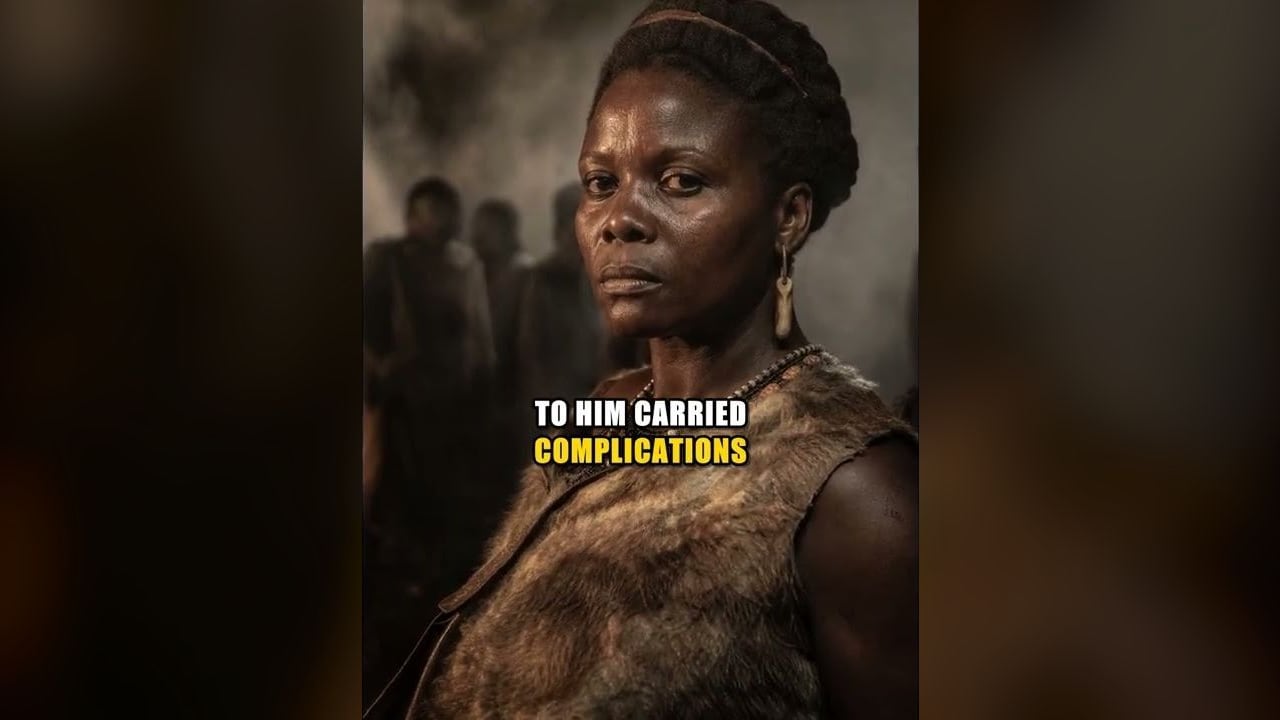
Among the Zulu people of southern Africa, the sangoma occupies a role that resists easy translation into English. Part diviner, part herbalist, part counselor, the sangoma is understood as a conduit between the amadlozi (ancestral spirits) and the living community. This is not a title one applies for or trains toward by ambition. It is a calling, known as ukuthwasa — a word that means "to emerge" or "to come out," describing something latent within a person that surfaces and demands acknowledgment.
The signs of ukuthwasa are recognized across Zulu communities: persistent ancestral dreams, unexplained illness that resists conventional diagnosis, heightened sensitivity to spiritual signs in water, wind, or animal behavior. Families take these signs seriously, often consulting an established sangoma to confirm through divination — commonly the throwing of bones — whether the calling is genuine. This process treats spiritual affliction not as superstition but as a recognized category of experience, one with its own diagnostic logic and its own path toward resolution.
What makes this tradition distinctly living rather than historical is its ongoing presence in contemporary Zulu life, including in cities like Johannesburg and Durban, where sangomas serve clients navigating both traditional and urban, modern circumstances.
Historical Background
The role of the sangoma predates colonial contact and has persisted through periods when colonial and apartheid-era authorities actively suppressed and criminalized traditional healing practices, sometimes labeling sangomas as practitioners of "witchcraft" under law. Despite this, the tradition survived within families and communities, passed down through apprenticeship rather than written record — a hallmark of oral tradition, where knowledge is transmitted through relationship, demonstration, and lived experience rather than texts.
Post-apartheid South Africa marked a significant shift. The Traditional Health Practitioners Act, formally recognizing sangomas, sinyangas, and other traditional healers as legitimate practitioners within the national health framework, reflected a broader reckoning with the value of indigenous knowledge systems. This legal recognition did not invent the sangoma's authority — Zulu communities never stopped consulting them — but it acknowledged what had always been true on the ground: traditional healing operates as a parallel and often complementary system to biomedicine, not a relic replaced by it.
Estimates suggest a substantial majority of South Africans, across ethnic and class lines, consult traditional healers at some point, frequently alongside Western-trained doctors rather than instead of them.
The Story Behind It
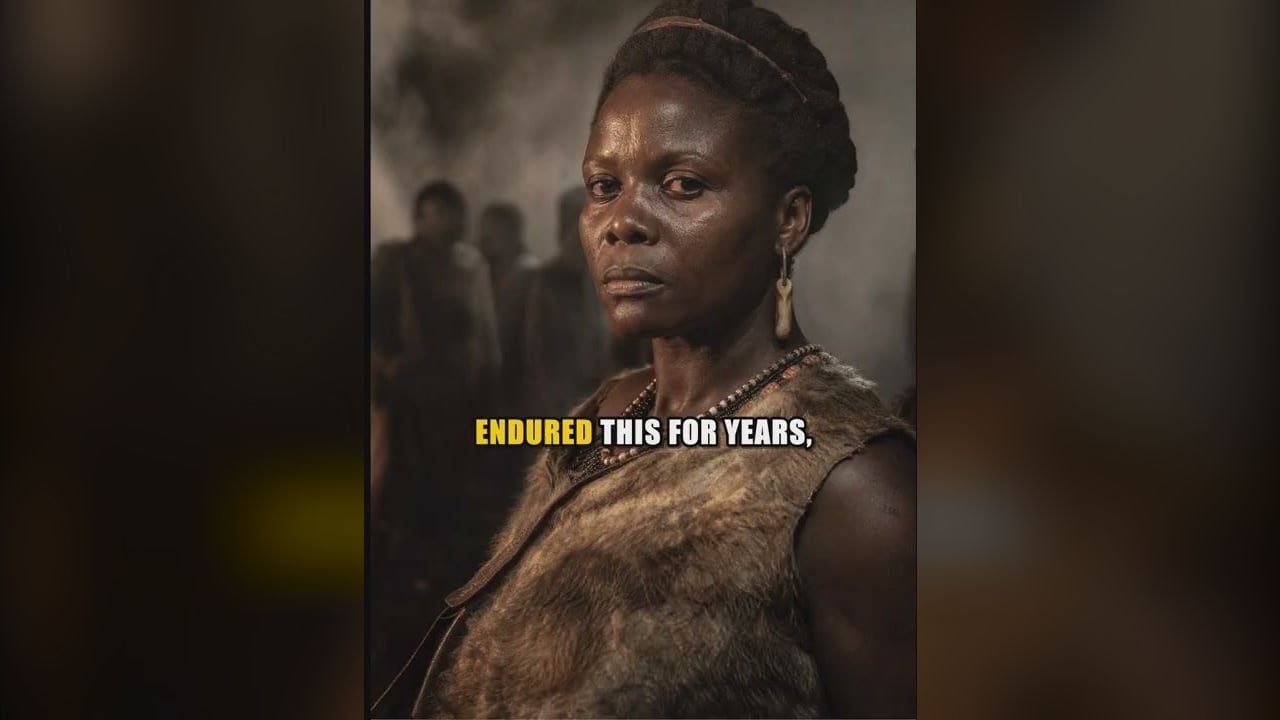
The documentary follows the ukuthwasa journey through the voice of an apprentice who describes her calling beginning while she was living a "modern life" in Johannesburg — a detail worth sitting with, because it dismantles the assumption that this tradition belongs only to rural or older generations. Her grandmother, a healer who had passed away years earlier, began appearing in dreams, teaching her the uses of herbs night after night. Spirits followed, then visions, then a fear she eventually had to surrender to.
Once a gobela (teacher sangoma) confirms the calling through divination, the apprentice enters a structured process lasting one to three years. The gobela becomes something closer to a spiritual parent than an instructor, guiding the apprentice to identify which specific ancestors are calling them, since different ancestral lines carry different specialties in healing, divination, or protection. Early training centers on dream interpretation — learning to distinguish an ordinary dream from an ancestral message, a skill built through repetition and mentorship rather than any fixed curriculum.
The apprenticeship demands real sacrifice: careers paused, relationships strained, a former life set aside. Yet those who complete it describe relief rather than loss — the physical and spiritual symptoms that plagued them before ease once they accept the role. What emerges is a healer equipped to work with herbal medicine, divination, and ritual, prepared to serve their community much as their gobela once served them.