Cultural Context
Among the Shona peoples of what is now Zimbabwe, the mitupo (totem) system is far more than a naming convention — it is a living map of kinship, ethics, and belonging. Every Shona clan carries a totem, or mutupo, drawn from the natural world: a bird, an animal, a body of water, even a part of the human body. To know someone's totem is to know their clan history, their praise name (chidao), and the moral lessons their ancestors chose to pass down through that particular creature or force.
The episode's Totem Festival dramatizes something Shona families still practice: reciting one's mutupo as a form of respect, especially to elders, and understanding marriage rules that forbid unions between people who share a totem, since shared mitupo signals shared ancestry. Far from being a relic, this system continues to shape greetings, weddings, and everyday courtesy across Zimbabwe and in Shona communities throughout southern Africa.
Historical Background
Great Zimbabwe, the stone city at the center of this fable, flourished roughly between the 11th and 15th centuries as the capital of a powerful trading kingdom. Its rulers, remembered in tradition as figures like Mambo, oversaw a society enriched by gold, ivory, and cattle wealth, and connected by trade routes reaching the Swahili coast, Arabia, and beyond.
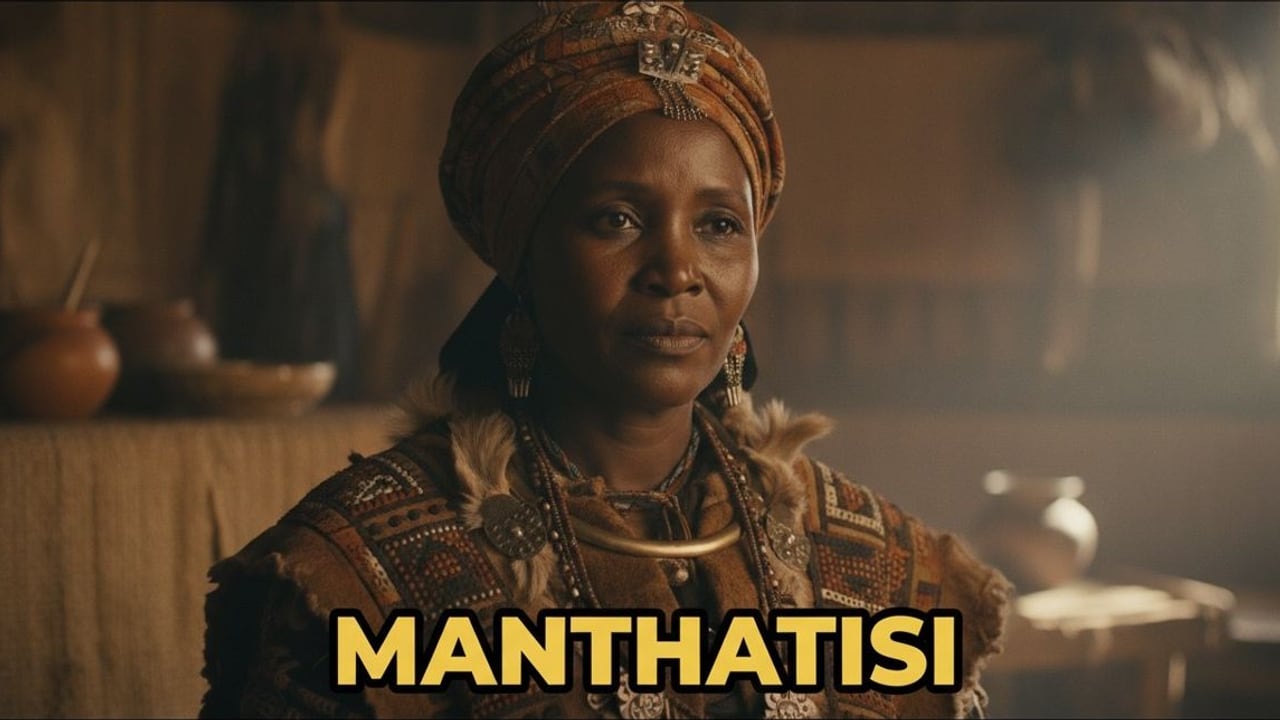
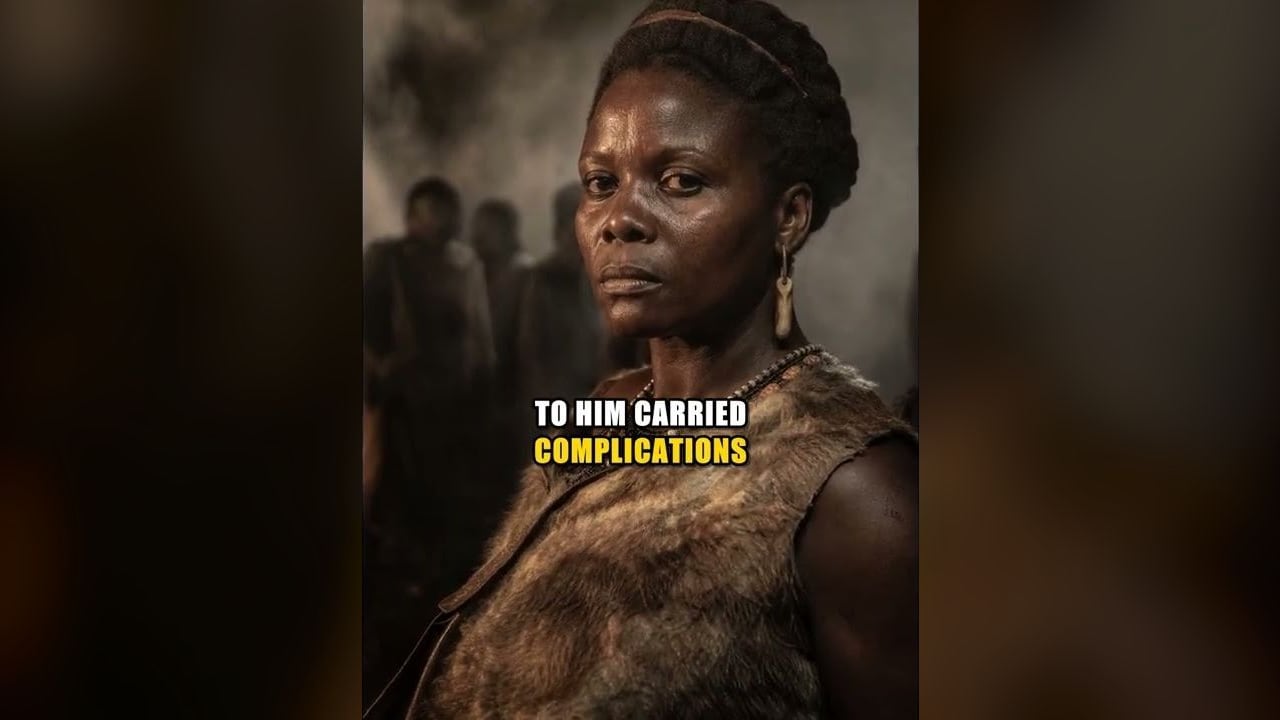
Within this kingdom, the totem system served a practical as well as spiritual purpose. As Shona communities grew and dispersed across the plateau, mitupo allowed unrelated villages to recognize kinship ties, prevented intermarriage between close relatives, and organized social identity around clans rather than only geography. Oral historians — often respected women elders like the fable's Ambuya Manyanga — held the responsibility of reciting these totem histories at gatherings, ensuring each generation understood not just their totem's name but the story and duty attached to it.
The Story Behind It
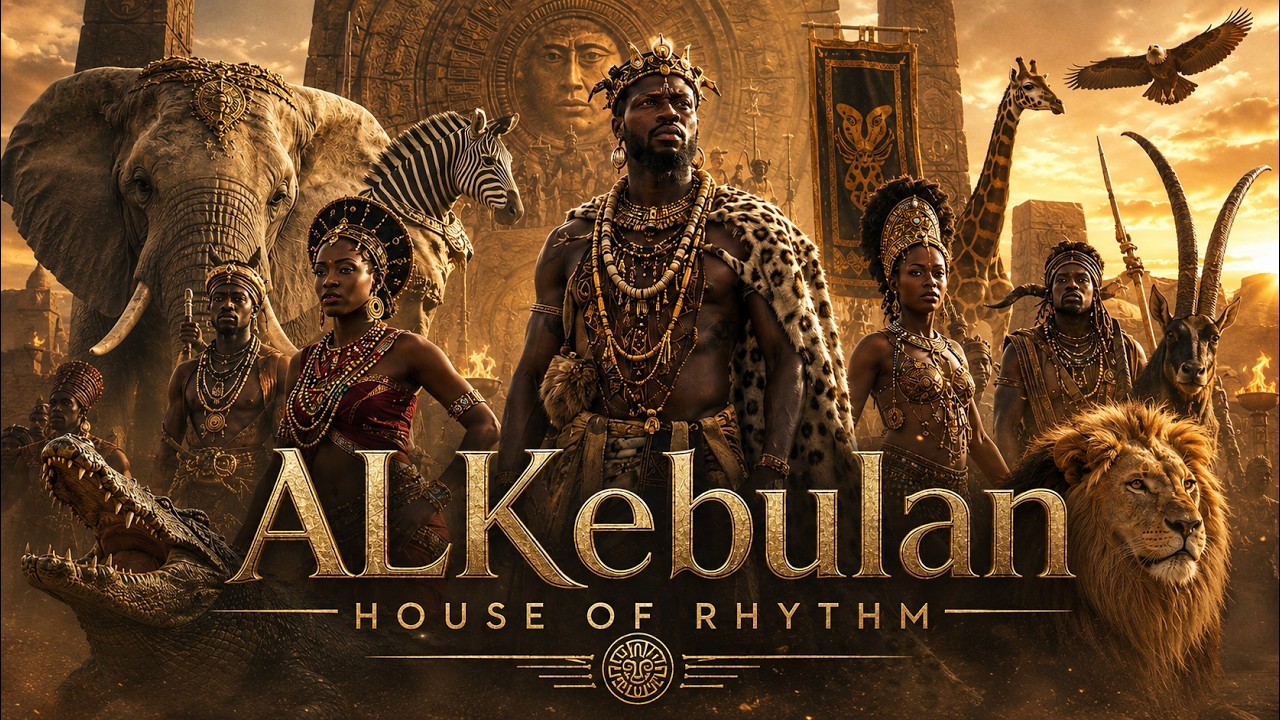
In Episode 3, the Totem Festival becomes the stage where Ambuya Manyanga, the king's aunt and the kingdom's storyteller, guides the community — and five young protagonists — through the six realms from which mitupo are drawn: the air, the savannah, the kraal, the bushlands and grasslands, the rivers and lakes, and the human body itself.
From the air comes Hungwe, the fish eagle, whose high flight and clear sight symbolize vision and guidance — fittingly, it is Tendai's totem, marking him as a future leader. Ishwa, the flying ant, teaches that even small creatures achieve greatness through unity. The savannah offers Shumba the lion (courage and protection, Chido's totem), Zhou the elephant (memory and wisdom, Rufaro's totem), Mhofu the eland (endurance and grace), Mhembwe the impala (agility and swift purpose), Nyati the buffalo (strength through unity), and Mbizi the zebra (Farai's totem, celebrating diversity as strength). From the kraal come Gwai the sheep, teaching gentleness and communal harmony, and Mombe the cattle, symbol of shared abundance and nurture.
Each totem story doubles as a character lesson for the children listening — Tanaka's monkey totem (Soko) reflecting curiosity and inventiveness among them. By linking a child's identity to an animal's behavior in the wild, the festival makes moral instruction memorable and personal, embedding values of leadership, humility, unity, and perseverance directly into family names.
Diaspora Connections
Shona mitupo traveled wherever Shona-speaking families settled, from the historic migrations across the Zimbabwean plateau to present-day communities in South Africa, Botswana, and the wider diaspora in the UK, US, and Australia. Even generations removed from Great Zimbabwe's stone walls, many Shona families teach children their clan totem and praise name alongside their surname, using it to trace distant kin and avoid marrying within the same lineage.
This practice mirrors totemic and clan-naming systems found among other African peoples — such as Akan abusua or Yoruba orile — showing a shared, continent-wide instinct to encode ancestry and ethics into symbols drawn from the natural world, even as each tradition remains distinct and rooted in its own history.