Cultural Context
Among the Shona peoples of what is now Zimbabwe, the mitupo — totems — are far more than symbols. Each clan carries a totem, often an animal, that encodes a shared ancestry, a code of conduct, and a set of virtues its members are expected to embody. To be called "son of the elephant" or "daughter of the lion" is to inherit a living responsibility, not a decoration.
The Hungwe, the bateleur eagle, holds a place of particular honor in this system. Soaring at great height with a wide, unwavering field of vision, the Hungwe became a totem associated with foresight, leadership, and the capacity to see beyond immediate conflict toward the wellbeing of the whole community. This is why stone carvings of birds — believed by many scholars to represent the Hungwe or related raptors — were placed atop the soapstone monoliths at Great Zimbabwe. They were not mere decoration on a royal residence; they were statements about the kind of vision a ruler was expected to hold.
In Shona oral tradition, totems still function this way today — as a living framework for identity, kinship obligations, and moral expectation, passed down through storytelling, praise poetry, and everyday address rather than through written law.
Historical Background
Great Zimbabwe, built and expanded roughly between the eleventh and fifteenth centuries, was the capital of a powerful Shona state that controlled trade routes linking the interior of southern Africa to the Indian Ocean coast. Its dry-stone walls, raised without mortar, enclosed royal residences, ritual spaces, and the famous soapstone bird sculptures now recognized internationally as symbols of the modern nation of Zimbabwe.
The site functioned as both political and spiritual capital — a place where kingship, ancestral veneration, and control of cattle and gold trade were bound together. Succession in such a state was rarely automatic. Elders, spirit mediums, and senior kin debated fitness to rule, weighing military capability against wisdom and the ability to hold a diverse, growing population together. Outside traders — Swahili merchants moving gold, ivory, and cloth along coastal networks — had real incentive to influence who sat on the throne, since royal favor shaped access to trade.
While the specific king in this episode, Mambo Mbiire, and his successor are part of a modern oral retelling rather than a named entry in the historical record, the tensions dramatized — rival claimants, elder councils, outside interference, the invocation of totemic virtue to settle disputes — reflect real structural features of Shona statecraft at Great Zimbabwe's height.
Historical Background
placeholder
The Story Behind It
The episode opens in mourning: Mambo Mbiire, the kingdom's first great ruler, has died, and Great Zimbabwe must decide who leads next. Ambuya Manyoni, an elder of clear ritual authority, reminds the gathered people that the totems are not nostalgia — they are the map for moving forward.
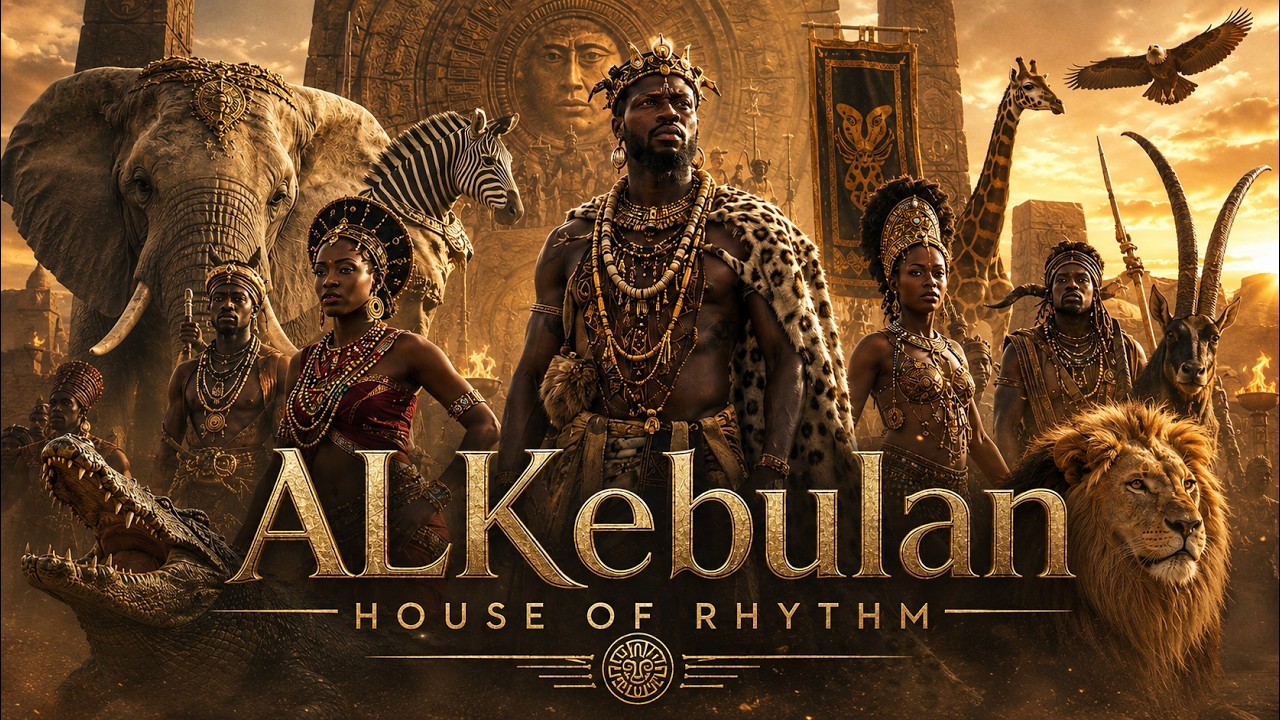
The younger characters each carry their clan's totemic virtue into action: Kuda's lion-courage readies the village's defense, Ruvimbo's elephant-steadiness organizes supplies and later exposes a bribery plot, Tinashi's monkey-cleverness builds a drum relay to carry messages across distance, and Farai's zebra-spirit holds the community's morale together through laughter and story. Tendai, quiet and watchful, carries the Hungwe itself — his father invokes "the vision of the hungwe" to defuse an armed standoff, offering a compromise instead of confrontation.
At the capital, the succession dispute between the king's brother — a hardened warrior — and his nephew — a charismatic reformer — nearly fractures the kingdom, worsened by a Swahili merchant's attempted bribery. It is Ruvimbo's mother and Tinashi's drums that expose the plot in time, and Ambuya Manyoni's invocation of ancestral judgment that holds the council together.
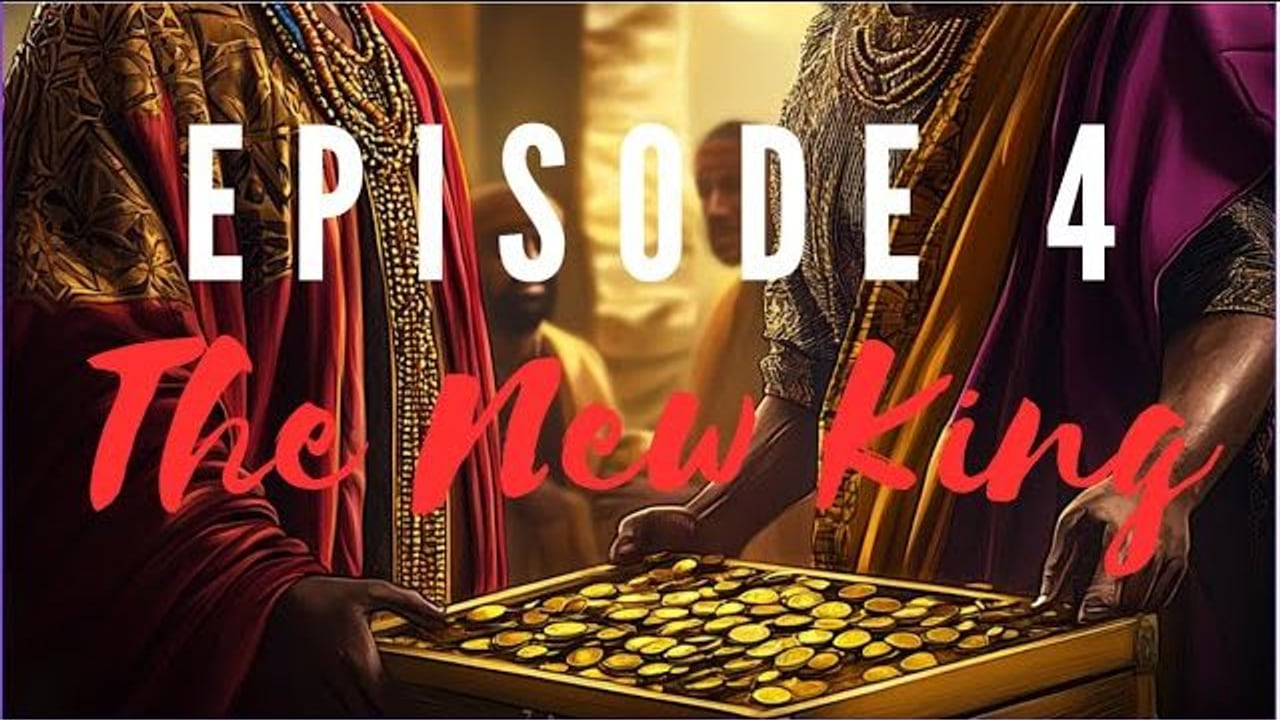
The resolution is telling: the elders do not simply choose strength or simply choose charisma. They choose Chikura, a leader who blends both — mirroring the Hungwe's own symbolism of a ruler who sees widely enough to hold contradictions in balance. The coronation in the central square, with its music and collective blessing, mirrors what archaeological evidence suggests happened at real Great Zimbabwe: kingship legitimized through public ritual, ancestral sanction, and communal witness, not force alone.