Cultural Context
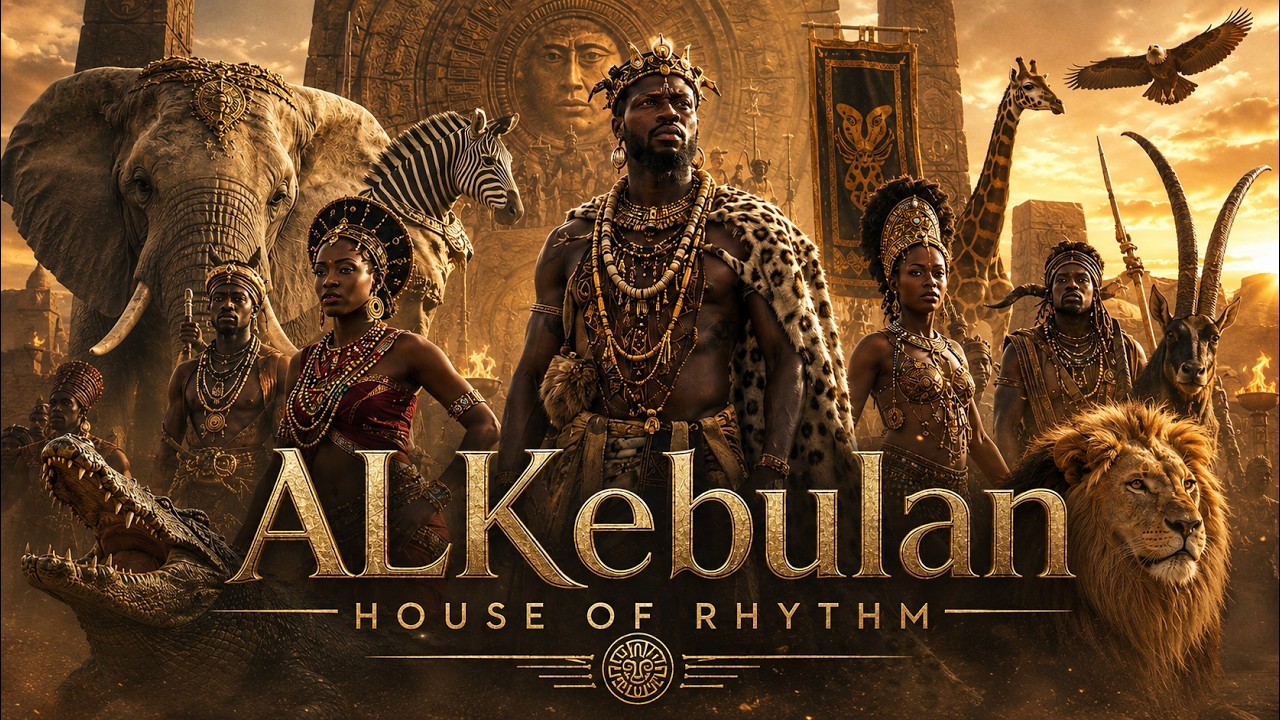
Among the Shona people of Zimbabwe, the mutupo, or totem, is far more than a family emblem — it is a living framework for identity, kinship, and moral responsibility. Every Shona clan traces its belonging to a mutupo, usually an animal such as Shumba (lion), Zhou (elephant), Shiri (bird), Nzou, Moyo (heart), or Mbizi (zebra), each paired with a chidao, a praise name that deepens the honor attached to it.
A person's totem is inherited from their father and governs some of the most fundamental social rules in Shona life. Two people who share a mutupo are considered kin, even if they have never met and live hundreds of kilometers apart — which means marriage between them is forbidden, since they are, in effect, family. The totem also dictates behavior: someone whose mutupo is Shumba is traditionally expected to show the courage and leadership associated with the lion, while a person under Zhou carries expectations of memory, patience, and strength, echoing the elephant's role as keeper of the herd's knowledge.
This is not folklore recited for entertainment — it is oral tradition functioning as active social infrastructure. Totems are invoked at births, weddings, funerals, and moments of praise-singing, where reciting someone's chidao is a mark of deep respect. The system continues to organize real relationships and real obligations in Zimbabwean communities today, in villages and cities alike.
Historical Background
The totem system predates written record-keeping in the region and is closely tied to the rise of the Great Zimbabwe civilization, the stone-walled city-state that flourished from roughly the eleventh to the fifteenth centuries. The soapstone Zimbabwe Birds carved atop the monument's walls are widely understood as totemic and spiritual emblems, connecting ruling lineages to ancestral guardianship and divine sanction.
As Shona-speaking communities spread and diversified across the plateau, totems became one of the key ways scattered clans could still recognize mutual kinship. A traveler arriving in an unfamiliar village could announce their mutupo and immediately be recognized as family, owed hospitality and protection. This made the totem system a form of social technology binding a widely dispersed people together long before centralized states existed in the form we'd recognize today.
During the colonial period, when Zimbabwe's land, language, and governance structures came under sustained assault, totems and their oral histories became one of the harder things to erase, precisely because they lived in memory, praise-song, and daily practice rather than in documents that could be confiscated or rewritten. The endurance of the mutupo system through that era is itself a testament to the resilience oral tradition can carry.
The Story Behind It
In Episode 2 of the Hungwe legend, the young boy Tendai undergoes what many Shona children still understand as a formative rite: the revelation of one's totem. He retreats to the sacred caves of Masvingo, and in stillness, a vision comes to him — the Zimbabwe Bird itself, wings carrying "the weight of ancient wisdom." The village recognizes this as no ordinary moment, because in receiving Hungwe as his mutupo, Tendai also receives a duty: to protect his people's heritage and carry their collective spirit forward.
The episode is careful to place Tendai's personal revelation inside a wider clan logic. Hungwe is named alongside Shumba the lion, "a symbol of courage," and Zhou the elephant, "a keeper of memory and strength," showing that no single totem stands alone — each represents a different virtue that a clan is entrusted to uphold and model for the wider community.
The narrative then widens further, linking Tendai's spiritual calling to Zimbabwe's collective struggle for liberation from colonization. The Zimbabwe Bird becomes not just Tendai's personal guide but a national symbol of unity and resilience, carried from village fireside stories into the halls of political power — the bird appears today on Zimbabwe's national flag and currency. The episode's closing image, of Tendai's descendants still telling this story generations later, mirrors exactly how mutupo lineages function in real Shona communities: an unbroken chain of telling that keeps identity, not just history, alive.