Cultural Context
Among the Akan peoples of what is now Ghana, Anansi is not a side character invented for children — he is one of the central figures of an entire storytelling tradition. In Akan communities, tales themselves are called Anansesem, literally "spider stories," a name that tells you how thoroughly this one figure came to stand for the art of narrative itself. Anansi is a trickster: clever, vain, hungry, sometimes cowardly, and almost always outmatched in size by the lions, elephants, and gods he tangles with. What he lacks in strength he makes up for in wit, and that imbalance is the whole point. Akan oral tradition uses Anansi to talk about power that doesn't come from muscle — the kind of power a smaller, poorer, or more vulnerable person can still claim.
This is why Anansi so easily becomes a figure who sits in a window and watches a child hide her lunch. He has always been drawn to exactly this kind of moment: someone small, under pressure, deciding whether to be honest about what they have and don't have. In the Fable, he doesn't lecture Nia. He watches, waits, and nudges — which is very much in keeping with how Anansi operates in the tradition he comes from.
Historical Background
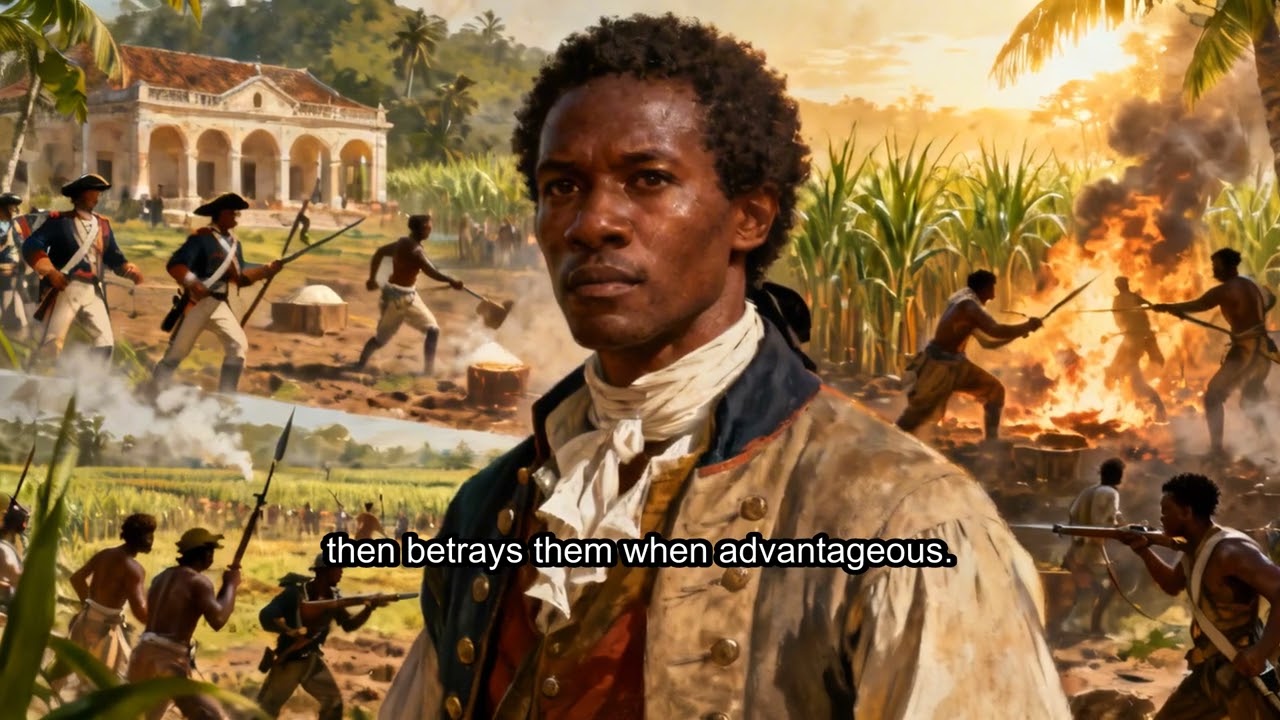
Anansi's presence in the Caribbean and in Black American households isn't a coincidence or a loose borrowing — it is a direct, traceable inheritance from the transatlantic slave trade. Beginning in the 1600s, enslaved Akan people were forcibly transported from the Gold Coast to Jamaica, Barbados, Suriname, and other Caribbean colonies in devastating numbers. They carried almost nothing with them by force of law and violence, but oral tradition travels differently than physical belongings — it lives in memory, voice, and the people who refuse to let it go. Anansi stories crossed the Atlantic this way, retold in the barracks and provision grounds where enslaved people snatched moments of community and continuity.
In the Caribbean, Anansi didn't stay frozen — he adapted. In Jamaica he became "Anancy," a fixture of Jamaican Patois storytelling. In the Gullah Geechee corridor of the American South Sea Islands, and later throughout African American oral tradition, trickster figures carrying Anansi's DNA show up as Br'er Rabbit and other clever, undersized heroes who outwit powerful oppressors through wit rather than force. Scholars of the African diaspora point to this pattern again and again: trickster tales survived the Middle Passage precisely because they were tools for people who had been stripped of formal power but not of intelligence, humor, or the will to endure. A story about a small spider outsmarting a lion was never just entertainment — it was survival instruction passed parent to child.
The Story Behind It
"Anansi at the Window" places this centuries-old figure inside a very contemporary Baltimore kitchen, and that placement is deliberate rather than decorative. Mama Denise packing rice, beans, and plantains while stretching a tight budget, and Nia hiding that same lunch out of shame in front of classmates, is a scene about scarcity, dignity, and the fear of being seen as "less than." Anansi appears in the window's light exactly at the moments when Nia is deciding what story to tell about herself — first the lie ("I forgot my lunch"), then eventually the truth.
This mirrors how Anansi functions across Akan and diaspora oral tradition: he rarely solves problems for people. He shows up at the threshold of a decision and tips the moment, sometimes toward mischief, sometimes toward honesty, depending on what the story needs to teach. Here, Anansi's presence pushes Nia toward telling her own story before the room can decide it for her — "a child who tells her own story is harder to trap." That line could sit comfortably inside a traditional Anansesem tale. The folded napkin note from Mama Denise ("For brave girls, eat") functions like the small object or riddle that so often appears in Anansi stories — simple, easy to overlook, and carrying more weight than its size suggests.
Diaspora Connections
What makes Nia's story a genuine continuation of Anansi's tradition, rather than a costume borrowed from it, is the specific weight this figure carries in Caribbean-American and African American households. In Jamaican and wider Caribbean storytelling, Anancy is often invoked not to punish children but to help them think through pride, hunger, and cleverness in a world stacked against them. That same instinct shows up in Black American households where grandparents tell Br'er Rabbit stories or invoke Anansi directly, teaching kids that being underestimated is not the same as being powerless.
Nia's household sits at exactly this intersection — a Black American family whose everyday language, food, and moral imagination still carries Akan-rooted, Caribbean-inflected storytelling, whether or not anyone in the house could trace the family tree back to Ghana. That's what makes oral tradition living culture rather than a museum piece: Anansi doesn't need footnotes to show up in a school cafeteria in Baltimore. He shows up because the tradition was built to survive exactly this kind of pressure, in exactly this kind of home.