Cultural Context
Among the Akan peoples of Ghana, Anansi is not a villain and not quite a hero — he is something more useful than either. He is the figure who exposes what a community is too polite to say out loud: greed, pride, hunger, fear of being laughed at. Anansi stories were never meant to be read silently off a page. They were told aloud, at dusk, with call-and-response, so that the audience became part of working out the lesson.
That oral tradition is still living practice, not a museum piece. Storytellers in Akan communities, and their descendants across the Caribbean and the United States, keep adapting Anansi to whatever a listener is actually afraid of that day. In 'Anansi at the Window,' the fear is not a magical curse or a hungry lion — it's a fourth grader hiding rice and beans so her classmates won't guess her family is counting every dollar until Friday's payday. Anansi appears in the window glass the way he always has: not to solve the problem, but to needle the truth loose.
Historical Background
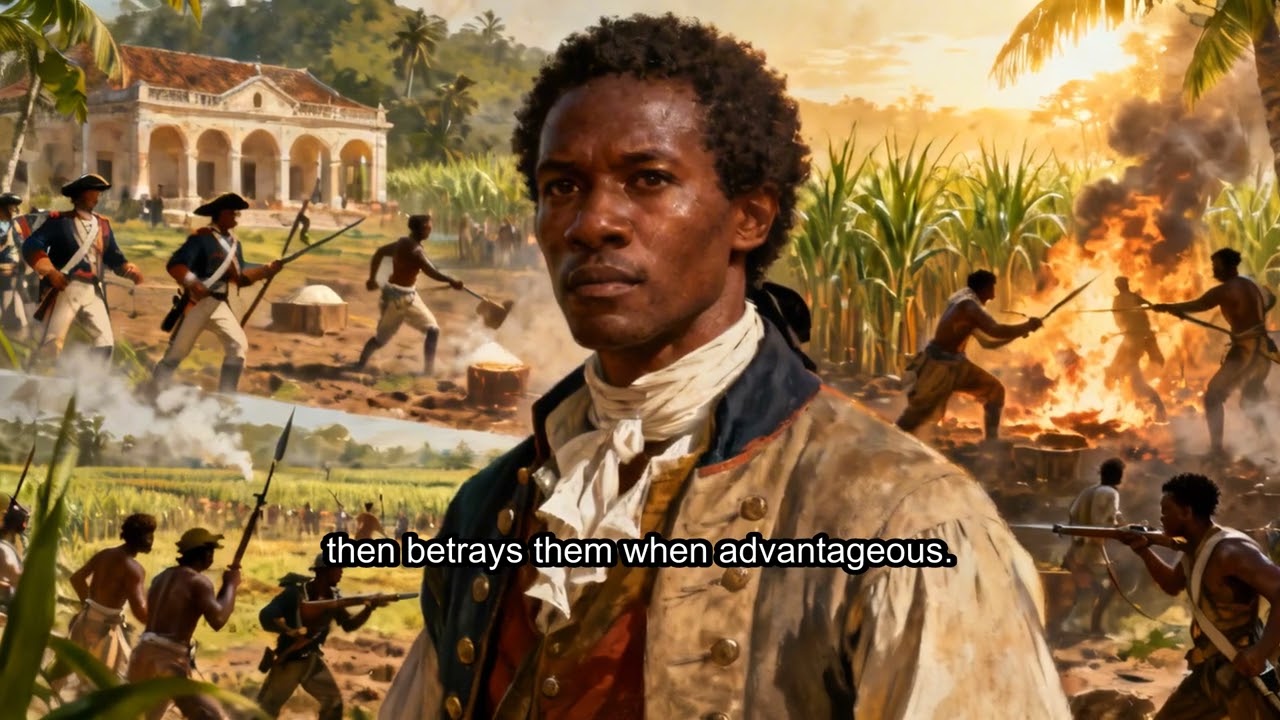
Anansi traveled to the Caribbean and the American South the same way millions of Akan and other West African people did — in chains, during the transatlantic slave trade of the 17th through 19th centuries. Enslaved Akan people carried Anansi stories in memory because no one could confiscate a story the way they confiscated everything else. In Jamaica, the tales became 'Anansi stories' outright and are still told at wakes and children's gatherings. In the U.S. South, Anansi's cunning and shape-shifting fed directly into Brer Rabbit and other trickster figures who outwit stronger, richer, more powerful characters through wit rather than force.
What makes this history matter is not just survival — it's transformation. Anansi in Ghana is often a spider who tricks Nyame, the sky god, into giving stories to humanity. Anansi in the Caribbean and African American tradition becomes sharper around themes of scarcity, hunger, and dignity under systems designed to humiliate. That shift makes sense: the tradition adapted to speak directly to people who knew what it meant to have less and still be expected to perform shame-free normalcy in public.
The Story Behind It
'Anansi at the Window' places the trickster in a kitchen window's morning light, watching Nia Johnson's mother, Denise, pack rice, black beans, and sweet plantains — food made with care, not money to spare. Anansi doesn't cause Nia's shame at school; he's simply present at the threshold, watching a modern child do what people have always done: hide the parts of home life that feel too honest for public rooms.
When Nia's lunch spills in the cafeteria and she runs, Anansi meets her in the hallway mirror — 'a nasty sat in the mirror frame as if mirrors had always belonged to him.' This is the trickster doing his oldest job: cornering someone until they say the true thing instead of the easy lie. He doesn't hand her comfort. He asks for one true story before the last bell. That demand is very old — Anansi has always collected stories the way other characters collect gold — but here the currency he wants from Nia is honesty about hunger, love, and a family stretching to make ends meet.
The resolution is not magic. Nia tells her class the truth — that her mother still packs her lunch nicely even when money is tight — and the room responds not with mockery but recognition ('nobody argues with free spaghetti'). That's the Anansi pattern completing itself: the trickster exposes what's hidden, and the community, once the truth is spoken, turns out to be more forgiving than the shame predicted.
Diaspora Connections
This retelling sits explicitly inside the Caribbean-diaspora branch of the Anansi tradition, where the spider has long since stopped needing a Ghanaian forest or savanna to make sense. He works in a Baltimore rowhouse kitchen and a public-school cafeteria because Caribbean and African American storytellers have kept moving him wherever Black families are asked to prove they belong.
The napkin note tucked into Nia's lunch bag — 'For brave girls, eat. Love, Mama.' — echoes a very old diaspora habit: encoding love and instruction into food and small domestic gestures, because larger systems rarely make room for that tenderness to be spoken aloud. Anansi's presence in the window and the mirror signals that this is not simply a lesson in a classroom drama; it's a contemporary chapter in a story that has been retold across islands, cities, and generations since the Middle Passage.