Skip to content African Facts & Fables Fables The Love Letter That Arrived 30 Years Late Southern Africa
The Love Letter That Arrived 30 Years Late Southern Africa· Shona· Contemporary· Wisdom Tales· 23 min Five years after her husband Tendai died, Nyarai discovers a letter he wrote before their wedding — a confession about a secret daughter he never claimed. What follows is a journey from Harare to Bulawayo, from anger to understanding, as a widow chooses to complete what her husband could not.
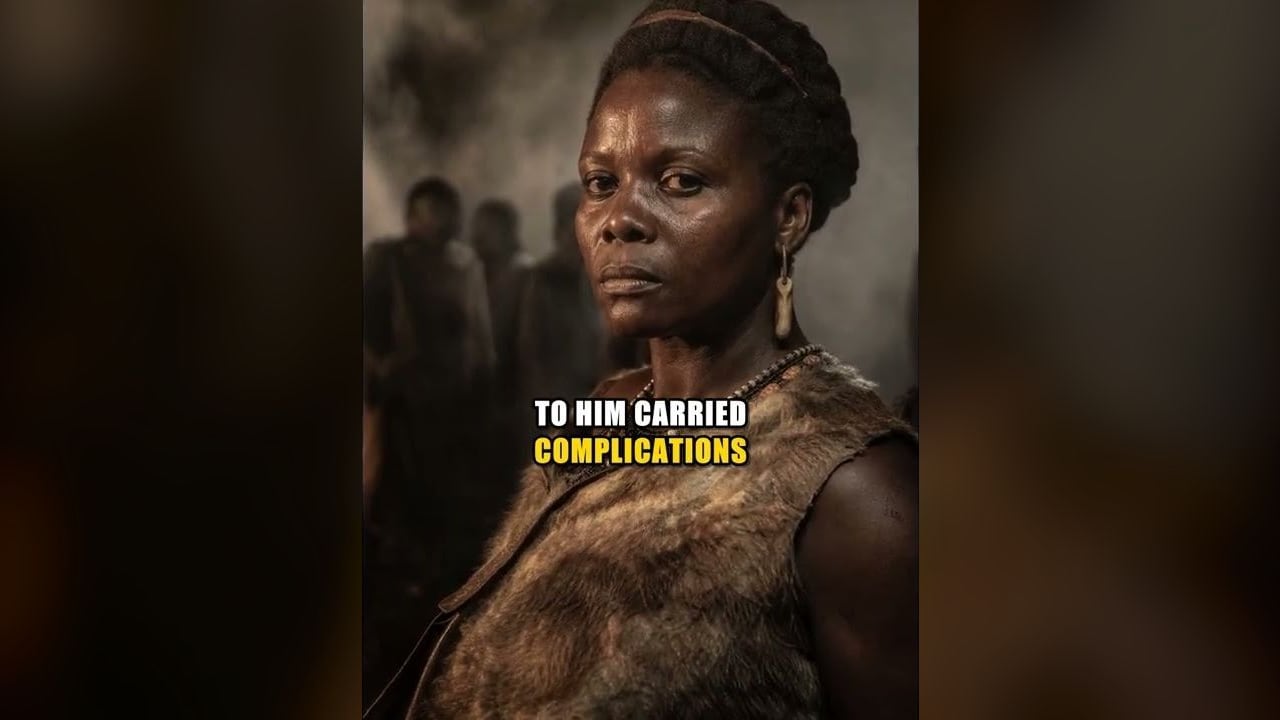
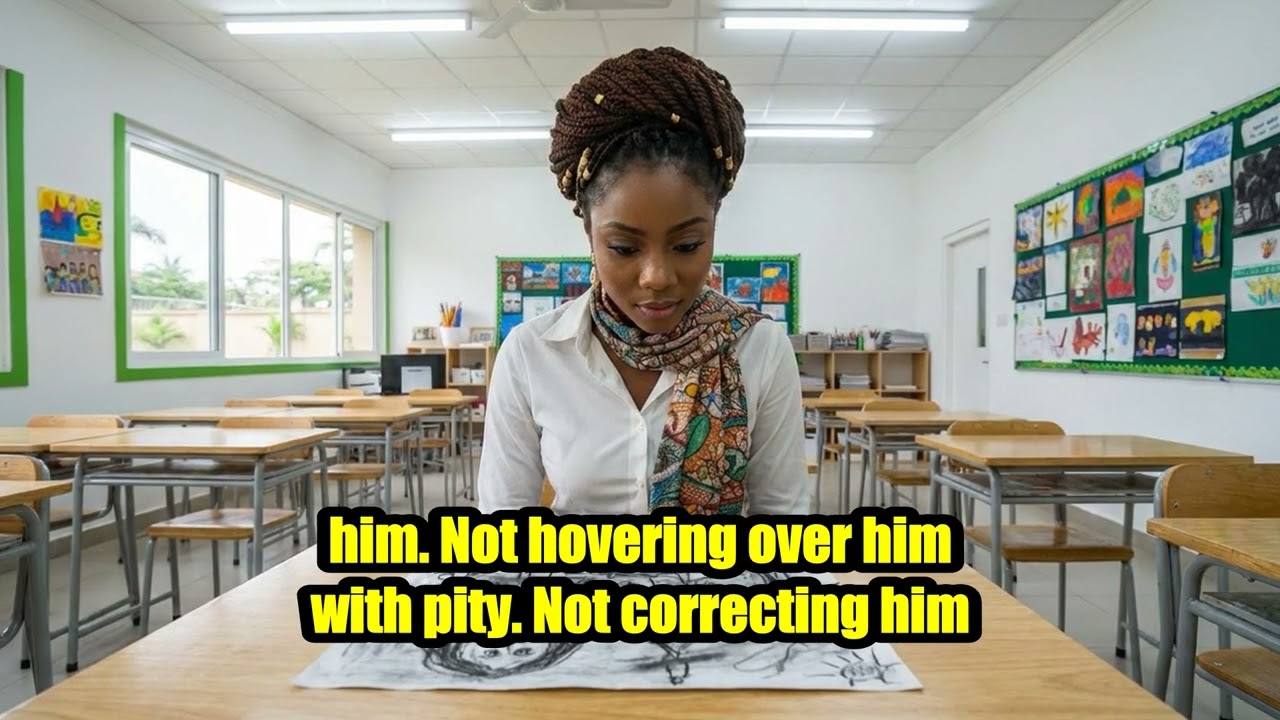
TranscriptRead along · tap any line to jump there Search the transcript 0:03 5 years after Tendai died, Merai still made two cups of tea every morning. She placed [music] one at his end of the table beside the newspaper he would never read. It was not grief anymore. It was habit. And habits, she had [music] 0:20 learned, were the last things to let go of the debt. The jackaranda outside their window was blooming again, [music] purple against the har sky. That same morning, across Harers renovating the central post office made the discovery 0:36 wedged behind a broken sorting slots sealed in dust and darkness for 30 years. Lay a single envelope. The postmark read 1994. 0:48 The address was still legible. Someone at the counter said they should try to deliver it. After all, it had waited long enough. The postal worker apologized. [music] He said they found it during renovations. 1:02 30 years stuck in the machinery. Nara took the envelope and felt something shift beneath her ribs. She recognized the handwriting before she read the name. It was tend. The loops of his letters. [music] The way he pressed too 1:18 hard on the pen. She knew this hand the way she knew her own. 1994, 6 months before their wedding, Tendai had written this letter when they were still learning each other's favorite songs, still laughing at the wrong things during church. She turned the 1:35 envelope over. It was sealed. Whatever he had wanted to say, the words had waited three decades inside this paper, patient as stones beneath a river. Her hands trembled as she broke the seal. 1:50 The paper inside was thin, fragile as mo wings. Tendai's handwriting filled both sides. She put on her reading glasses and began at the top. My dearest Nearai, he had written. There is something I must tell you before we marry. I have 2:09 tried to say it aloud, but the words will not come. The letter continued, "Before I met you, I fathered a child, a daughter. Her name is Rutendo. She was born the year before we met. I have not been part of her life, and the guilt of 2:27 this eats [music] at me. I want you to know this truth before you take my name." Nar read the words twice, then a third time. Each reading made them more real. She pressed the letter to her chest and closed her eyes. 43 years of marriage. Three children raised 2:47 together. Christmas's [music] funerals left her in the kitchen at midnight. And underneath all of it, this a daughter she never knew about. A secret he carried to his grave. The second cup of tea had gone cold. So had something inside her. 3:10 In 1994, Tendai Moyo sat at a borrow desk and wrote the hardest letter of his life. He was 33. In 6 months, he would marry the woman he loved. But love he was discovering did not erase the past. 3:27 It only made the past heavier. He wrote slowly, choosing each word as if it might be the one that cost him everything. He wrote about Rotendo, how she had been born to a woman he loved briefly and wrongly, how he had watched his daughter from a distance, never 3:45 claiming her. He wrote that the girl's mother wanted nothing from him, that he respected her [music] wishes, but the child existed, and Naray deserved to know. He sealed the letter and posted it the next morning. Back in the present, 4:01 Niara paced the room like a woman looking for somewhere to put a fire. She was furious, not at the secrets, though that was bad enough. She was furious that she could not confront him. He was 5 years dead. [music] The dead do not 4:18 answer questions. They do not apologize. 4:22 They leave their truths in envelopes and let the living sort them out. [music] She thought about their wedding day. How he had smiled as if the world were beginning. She had believed that smile completely. Now she saw the shadow 4:37 behind it. He had posted a letter 4:39 [music] 4:40 confessing his secret. It never arrived. 4:43 And so he lived with it. 43 years of smiling with a stone in his throat. She wondered if that was punishment [music] enough. She walked along the corridor of family photographs. Tendai holding baby Chennai. [music] Tendai at a school graduation. Tendai 5:02 laughing at Christmas [music] with flower on his nose. In every picture she now searched his eyes for the lie. And the terrible thing was she could not find it. He had loved them. That much she was certain of. [music] But he had also loved someone else's 5:20 child in silence. That night she read the letter again. This time she read not as a betrayed wife but as a woman trying to understand a frightened man. She found tenderness between the lines. 5:34 Tendai had not written this letter to hurt her. He had written it because the silence was hurting him. The letter was not a confession of guilt. It was a plea for forgiveness. Sleep did not come. She lay in the bed they had shared for 5:50 decades and stared at the ceiling. 5:52 Somewhere in Bulawei, a 32-year-old woman named Rutendo Sibanda was sleeping without knowing her father was dead, without knowing he had loved her from a distance, without knowing any of this. 6:06 [music] By morning, the had made a decision. She would find her. 6:15 She told no one, not Chennai, not her other children. This was between her and a ghost. She began with what the letter gave her a name, Rutendo Sibanda. She searched all directories, made careful phone calls to people who might 6:32 remember. She was methodical. She had been a school teacher for 30 years. 6:37 Research was something she understood. 6:40 Finding the truth required patience. The name Sibanda was common, [music] but Rutendo Sibanda, born in 1991, daughter of a woman named Grace, that narrowed things. A former colleague in the civil service knew someone who knew 6:57 someone in Africa. Nara thought every person is only three conversations away from any other. The trail led south to Bulleo, the city of kings, [music] the city of secrets. Then she learned something that changed everything. 7:14 [music] Retendo's mother, Grace, had died 6 years ago. Cancer. Routtendo had nursed her through the end alone. There was no other family. The girl who was told her father did not want her. Had also lost her mother. She was alone in 7:31 the world. [music] And Naray realized this was no longer about Tendai's secret. [music] It was about a woman who needed family. Nara would later learn that Tendai had not been entirely absent. He had watched Routtendo from a distance, driven to bull away on 7:48 business trips that had no business. 7:51 Parked outside her school, watched her grow. He never spoke to her, never introduced himself. He was a ghost haunting his own daughter's life, a father made of distance and regret. The [music] letter confirmed all of this. 8:08 After two weeks of searching, she had an address, 14th Avenue, Bulwayo. Rutendo Sibanda worked as an accountant. She lived alone. She was 32 years old and had no idea that her father had died 5 years ago in Har surrounded by a family 8:26 she did not know existed. [music] Nara folded the address and placed it beside the letter. Two maps to the same destination. She took the early bus to Bulwayo. 5 hours through the dry heart of Zimbabwe. She watched the landscape 8:43 change from green har suburbs to open savannah. Babab trees stood like upside down giants. She thought about what she would say. How do you introduce yourself to a woman whose existence was hidden from you? How do you deliver love from a 9:00 man who is already gone? Bulaweo greeted her with heat and dust and the smell of roasting maze from the roadside vendors. 9:09 It was a different city from Hara, slower, wider, with a sky that seemed to stretch further. She checked into a small guest house and [music] sat on the bed. Tomorrow she would go to 14th Avenue. Tomorrow she would see her husband's other daughter. Tonight she 9:28 would try to breathe. 9:31 >> [music] >> She found 14th Avenue in the morning light. It was a quiet street of modest homes with neat gardens. Dogs slept in the shade of mango trees. A radio played Chinuranga music from an open window. 9:47 Nara walked slowly reading house numbers, her heart beating so loudly she was certain the neighbors could hear it. 9:56 She stopped at number 47. 9:59 This was it. And then the gate opened and a young woman stepped out. Nia's breath caught. It was like looking at Tendai through a window of time and gender. The same high forehead. The same way of tilting her head when she checked 10:16 her phone. The same walk, confident but unhurried. This was his daughter. There was no question. The resemblance was written in her bones. Nara followed at a distance. She watched the retendo walk to the bus stop, watched her greet a 10:34 neighbor with warmth, watched her buy a mango from a street vendor and eat it while she waited for the bus. Juice running down her wrist. She was alive. 10:45 She was real. She was not just a name in a dead man's letter. She was a person, whole and present. She sat on a bench across the road and realized with a shock that she was doing exactly what Tendai had done, watching from a 11:03 distance, loving from a distance. She was repeating his pattern. The same cowardice dressed as caution. The same silence dressed as respect. If she did nothing, she [music] would become another ghost in Routtendo's life. And 11:20 one ghost was already too many. From the neighbors, she learned the rest. 11:25 Routtendo had been told her father was a man who did not want her. That was what Grace had said. It was not the truth, but it was what Grace believed. Tender's silence had created a lie that shaped a woman's entire life. Routtendo had grown 11:42 up believing she was unwanted. 11:45 32 years of carrying a wound that was never hers to carry. Tandai had watched her whole life. He drove to Bulo whenever he could. Sat in his car outside her school, then her workplace. 11:59 He saw her graduate, saw her laugh with friends, saw her carry her mother's coffin. He watched all of it and said nothing. Mi hated him for that and understood him for that. Love without courage is still love. It is just love 12:18 that cannot land. On the third morning, Niarai dressed carefully. She chose the burgundy cheating. Tendai had bought her for their anniversary. She put on her best earrings. She placed the letter in her handbag. She looked at herself in 12:35 the mirror and said aloud, "I am going to do what you could not tend. I am going to speak." Then she walked out the door. 12:47 But courage is not a straight line. 12:50 Three more days passed. Each morning, Nari walked to 14th Avenue. Each morning, she found a reason not to knock. The gate was too high. A neighbor was watching. Lutendo left too quickly. 13:05 The truth was simpler and harder than any excuse. She was afraid. Afraid of what would happen when the silence broke. afraid of being too late. On the fourth day, she heard Routtendo laugh. 13:20 It came across the morning market like a bell. Nearai froze. It was tendi laugh. 13:27 The same fullthroated sound that had filled her kitchen for four decades. The same way the head tilted back, the same crinkle around the eyes. In that moment, Routtendo was not a stranger. She was an echo of the man Naray had loved and lost 13:44 and was now losing again. She remembered his last days. The hospital in her, his hand growing lighter in hers. Each hour there was a moment near the end when he opened his mouth as if to tell her something. His lips moved, but no sound 14:04 came. She had leaned closer. Tell me, Tendai, what is it? But his eyes had closed. The secret went with him into the ground. Or so she had thought. That evening she called Chennai, her eldest, her rock, Chennai. She said, "Your 14:24 father had another child, a daughter. I found a letter." The line went silent for so long that Naray thought the call had dropped. Then Chennai said in a voice Naray had never heard before, "What did you say, mama?" And Niarai 14:42 told her everything. The letter, the search, the girl with tendi laugh. 14:48 Chennai went through the stages like weather. This leaf came first, then anger, hot and loud, then a silence that lasted minutes. Nara let her daughter feel all of it without interruption. She had earned the right to rage. Finally, 15:06 Chennai said something that surprised them both. She said, "She must be so lonely, mama. That woman in Bulao. She must be so lonely not knowing." "What are you going to do, mama?" Chennai asked. Naray looked at the letter on the 15:22 bed. She fought about Tindai watching from his car. She fought about Grace dying without telling Rutendo the truth. 15:30 She thought about all the silence that had accumulated around one man's fear. I am going to do what your father could not. She said, I am going to tell her. 15:41 Then go, Mama Chennai said, go and bring her home. Those words broke something open in an arai's chest. Not pain this time, but release. Her daughter understood not just the secret, but the choice. Family is not only the people 16:02 you are born to. It is the people who show up. Many thanked her and hung up the phone. Tomorrow she would go tomorrow. No more watching. The next morning, Naray walked down 14th Avenue for the last time. Not as a watcher, not 16:20 as a ghost, as a woman with a letter and a truth and the courage that her husband never found. She reached the gate of number 47. She placed her hand on the latch, took one breath, then another. 16:36 Then she opened it and walked up the path to the front door. 16:43 Routtendo opened the door. She saw an older woman neatly dressed with kind eyes and something desperate in her posture. "Can I help you?" she asked. 16:54 Nearai looked at her face and saw [music] tendi everywhere, the forehead, the cheekbones, the patient way. She waited for an answer. For a moment, Narai forgot every word she had rehearsed. Then she said simply, "My [music] name is Narai Moyo. I was 17:12 married to a man named Tandai Moyo." 17:14 Naray [music] continued, "He died 5 years ago." Rutendo's face did not change, but something behind her eyes shifted. [music] Moyo, she repeated like a word she had heard in a dream. Nar nodded. He was your father, she said. And he wrote you 17:32 a letter that took 30 years to arrive. 17:35 [music] May I come in? They sat in Routtendo's small living room. The younger woman's hands were clasped tight in her lap. [music] My mother told me my father did not want me. She said her voice was steady, [music] but her eyes 17:50 were not. Niara reached across the distance between [music] them. "That was not the truth," she said. "The truth is in this letter. He wanted you. He was [music] afraid. There is a difference." 18:03 Nearai opened her handbag and took [music] out the letter. She held it for one last moment. This paper had traveled 30 years to reach [music] its destination. It had passed through her hands first, which was not the plan. But 18:18 perhaps she thought that was exactly the plan. Perhaps she was always meant to be the one to deliver it. She placed it in Routtendo's hands. Routendo read the letter slowly. Her lips moved with each [music] word. Naray watched as 32 years 18:36 of believing she was unwanted began to dissolve on the page. Tendai [music] had written her name with care. He had called her my daughter. He had said he was sorry. He had said he watched her grow from a distance. [music] He had said he loved her in ink in his 18:54 own hand. [music] Undeniably. The tears came without warning. Not quiet tears, but the kind that come from a place so deep they have their own sound. [music] Lieutenendo wept for the father she never heard. For the lie she had 19:10 believed her whole life. For the years he watched and said nothing. Naray put her arm around the young woman [music] and held her. Sometimes the truest thing you can offer a stranger is your shoulder. They sat together for a long 19:26 time. [music] The letter lay between them on the sofa open and exhausted as if it two had finally completed its journey. Retendo asked questions. Naray answered what she could. What was he like? He was kind. He made terrible 19:44 jokes. He loved Nibira [music] music and overcooked sadza. He kept your photograph in his wallet. He never stopped thinking of you. 19:56 3 weeks later, Rutendo came to Hawaiadi. 19:59 She stood at the gate of the house where her father had lived for 40 years [music] and looked at it as though it might tell her something words could not. Miarai waited on the veranda with tea, [music] two cups. But this time the 20:14 second cup was not for a ghost. It was for [music] the living. It was for the daughter who had finally arrived. Naray led her through the house. Routendo 20:25 [music] 20:26 stopped at every photograph. She studied Tendai's face the way a ctographer 20:30 [music] 20:31 studies a newly discovered coast. There he was at [music] Christmas. there at her graduation there, laughing with flower on his nose, she touched the glass of one frame and saw her own reflection over his face. The resemblance was undeniable. She was 20:48 looking at the source of her own features. Hi arrived that afternoon. 20:53 [music] 20:54 She stood in the doorway and looked at Routtendo and Routtendo looked back. 20:59 [music] Neither spoke. What do you say to a sister you did not know you had? As I crossed the room first, [music] she took Routtendo's hand. You look like him, she said around the eyes. [music] Routendo nodded. So I have been told. 21:17 And then without planning it, they both smiled. [music] Tendai smile on two different faces. That evening they ate together. Naya made sa and beef stew. 21:29 [music] Tendai's favorites. They passed dishes and stories back and forth across the table. It was awkward and it was beautiful. Routtendo learns that her father sang off key in the shower. 21:42 [music] Chandai learns that she had her father's stubbornness. Namaya watched them and [music] felt something she had not expected, not loss, completion. 21:52 [music] The table felt full for the first time in years. The next day, they drove to Warren Hills Cemetery. [music] Routtendo stood before her father's headstone and read his name, Tendai [music] Moyo. Beloved husband, father, 22:08 friend. She knelt and placed her palm flat on the stone. It was warm from the sun. This is as [music] close as I will ever get to you, she whispered. Then she stood and took her place between Mi and Chennai, his family. [music] 22:25 All of them now. Miara took the letter from her handbag one last [music] time. 22:30 She placed it on the grave and waited it with a smooth stone. [music] It finally arrived. Tendai, she said softly. 30 years late, but it [music] arrived and so did she. She looked at Routtendo standing beside Chennai and felt the 22:47 truth of it settle [music] in her chest. 22:49 Some letters are meant to take the long way home. They walked away from the grave together. Three women connected by one man's silence. [music] One letter's patience and one widow's courage. The jackaranda trees arched over the path like a cathedral of purple 23:07 and gold. Thearai walked in the middle, a daughter on each [music] side. She did not look back. The dead are loved best by the living who carry them forward. 23:18 >> [music] >> And this family was walking forward now together into whatever came Captions from YouTube. Automatic captions can mishear names and places.